Planning a trip to Korea in 2026? For US travelers, understanding the unique cultural experiences and practicalities is key. From the vibrant energy of Seoul to the serene beauty of Jeju Island, Korea offers a diverse range of attractions. This guide highlights top destinations, including the essential K-ETA visa requirement, estimated costs in USD, and how to navigate popular areas like Myeongdong and Hongdae, ensuring a seamless and unforgettable journey.
What is the K-ETA and Do US Citizens Need It for Korea Travel?
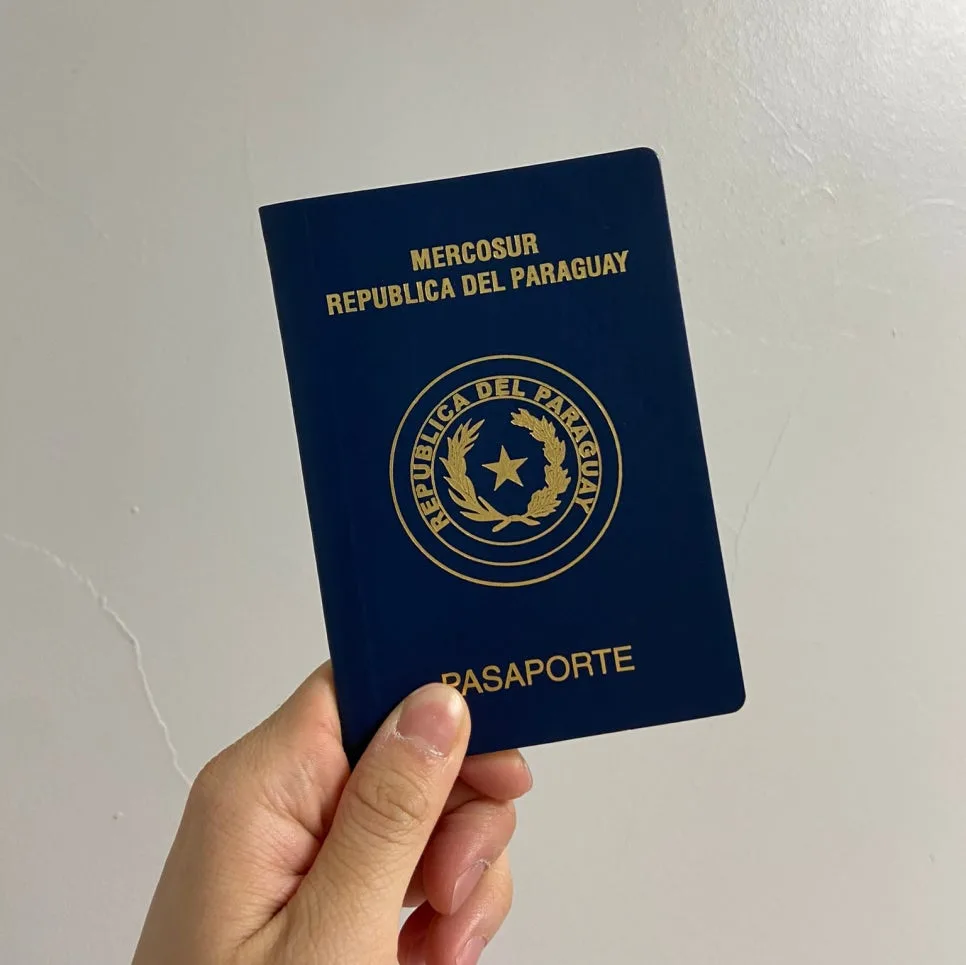
The Korea Electronic Travel Authorization (K-ETA) is a mandatory online travel permit for citizens of many countries, including the United States, who wish to enter Korea visa-free for tourism or business. As of 2026, US passport holders can still enter Korea for up to 90 days without a visa, but completing the K-ETA application online at least 72 hours before departure is required. The application fee is approximately $10 USD. This system streamlines the immigration process, allowing border officials to pre-screen visitors. Failure to obtain K-ETA can result in denied entry. For those planning extended stays or work, a separate visa application through the Korean embassy or consulate in the US will be necessary. Always check the official Korean immigration website for the most current requirements before your trip.
How Much Does a Trip to Korea Cost for US Travelers in 2026?
Estimating the cost of a Korea trip for US travelers in 2026 involves several factors, primarily flights, accommodation, food, transportation, and activities. Round-trip flights from major US cities to Seoul (ICN) can range from $900 to $1,500 USD, depending on the season and booking time. Accommodation varies widely: budget-friendly guesthouses or hostels in areas like Hongdae might cost $30-60 USD per night, mid-range hotels in Myeongdong or Gangnam $80-150 USD, and luxury hotels $200+ USD. Daily food expenses can be as low as $30-50 USD for local eateries and street food, or $70+ USD for mid-range to fine dining. Local transportation is affordable: the AREX Express train from Incheon Airport to Seoul Station is about $9 USD, while a taxi can cost $65-80 USD. A subway or bus ride within Seoul is typically under $2 USD. Budgeting around $150-250 USD per person per day, excluding flights, is a reasonable estimate for a comfortable trip.
What Are the Best Neighborhoods to Explore in Seoul?
Seoul offers a dynamic mix of traditional charm and modern excitement, with distinct neighborhoods catering to every interest. For vibrant youth culture, shopping, and street art, **Hongdae** is unparalleled, known for its indie music scene and trendy boutiques. **Myeongdong** is a shopper's paradise, famous for its cosmetics, fashion, and bustling street food stalls, making it a must-visit for K-beauty enthusiasts. If you're seeking upscale experiences, designer shopping, and a glimpse into the affluent lifestyle, **Gangnam** (popularized by PSY's hit song) offers high-end department stores and chic cafes. For a taste of traditional Korea, **Bukchon Hanok Village** presents beautifully preserved traditional houses (hanoks) and charming alleyways, offering a peaceful escape. Each neighborhood provides a unique lens through which to experience the multifaceted culture of Seoul.
What Unique K-Culture Experiences Should US Visitors Seek Out?
Beyond the typical tourist spots, Korea offers immersive cultural experiences that deeply resonate with US fans. K-pop enthusiasts can visit the **SMTOWN Museum** in Seoul to explore the history and memorabilia of one of Korea's largest entertainment agencies. For fans of BTS, exploring sites related to the group, such as former practice studios or cafes they frequented, offers a personal connection to their idols. A truly unique Korean experience gaining traction among US travelers is a **Temple Stay (Templestay)**. These programs allow visitors to stay at Buddhist temples, participate in meditation, learn about monastic life, and enjoy traditional Korean temple cuisine. It's a profound opportunity for cultural immersion and personal reflection, offering a stark contrast to the bustling city life. These experiences provide a deeper understanding and appreciation of Korean culture beyond the mainstream Hallyu wave.
What Should US Travelers Know Before Visiting Korea?
Before embarking on your Korea travel adventure in 2026, several practical tips will enhance your experience. While English is spoken in major tourist areas and hotels, learning a few basic Korean phrases like 'Annyeonghaseyo' (Hello) and 'Kamsahamnida' (Thank You) is highly appreciated. Download essential apps like Kakao Maps or Naver Maps, as Google Maps has limited functionality for navigation in Korea. Carry some cash, as while credit cards are widely accepted, smaller vendors or traditional markets might prefer cash. Tipping is not customary in Korea. Be aware of the country's efficient public transportation system, especially the subway in Seoul, which is clean, punctual, and easy to navigate. Finally, embrace the local etiquette, such as removing your shoes before entering homes or certain restaurants, to show respect for Korean customs.
For more details on planning your trip, check the original source below.