Planning a trip to Korea in 2026? The most searched questions revolve around costs, visas, and must-see experiences. US citizens can enjoy visa-free travel for up to 90 days, but must register for K-ETA. Expect to spend around $70-150 per day for mid-range travel, with accommodation ranging from $40-150/night. Key experiences include exploring vibrant neighborhoods like Hongdae and Gangnam, visiting the SMTOWN museum, and immersing yourself in unique cultural activities like temple stays.
What are the essential K-culture experiences for first-time visitors to Seoul in 2026?
Seoul offers a dynamic blend of modern attractions and traditional charm, making it an unforgettable destination. For K-culture enthusiasts, visiting the SMTOWN Museum provides an inside look at the world of K-pop. Exploring neighborhoods like Hongdae is a must for its youthful energy, street art, and indie music scene, while Gangnam offers upscale shopping and entertainment. For a taste of history, the Bukchon Hanok Village showcases traditional Korean houses. A truly unique experience gaining US traction is a temple stay, offering a peaceful retreat and insight into Buddhist monastic life. Don't miss Myeongdong for vibrant street food and cosmetics shopping. These diverse experiences capture the essence of modern Korean culture.
How can US travelers navigate transportation and costs for a Korea trip in 2026?
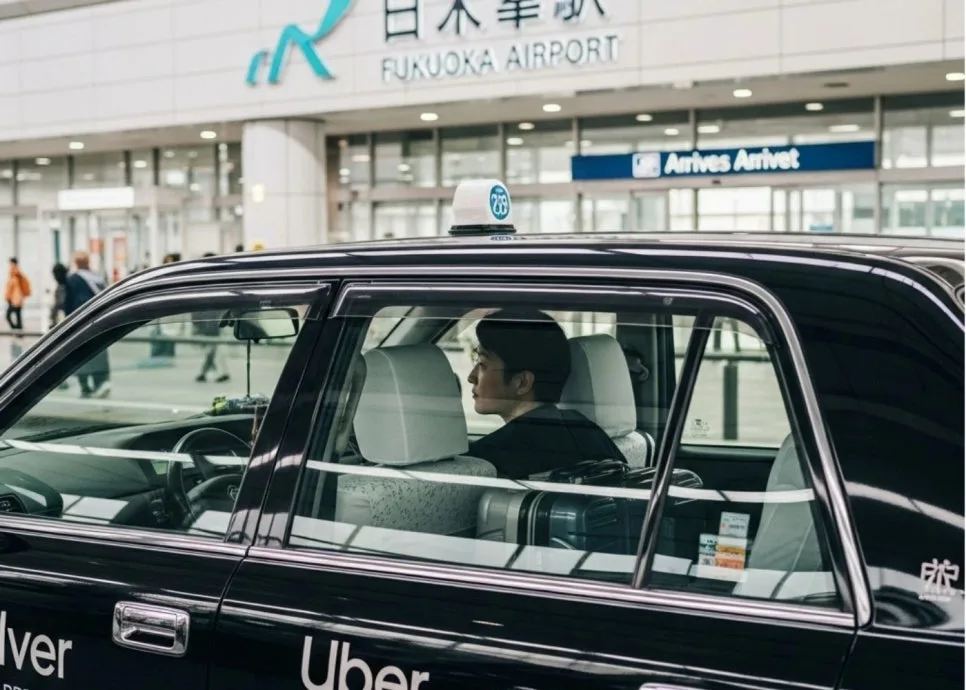
Getting around Korea is efficient and relatively affordable for US travelers. From Incheon International Airport (ICN), the AREX Express train offers a quick $9 ride to Seoul Station, while taxis will cost approximately $65-80 USD. Within Seoul, the subway system is extensive and user-friendly, with single rides costing around $1.25 USD. Consider purchasing a T-Money card for easy tap-and-go payment on subways and buses. For longer distances or late-night travel, ride-sharing apps like Kakao Taxi (similar to Uber in function) are available, with fares varying by distance and time. Budgeting around $70-150 USD per person per day, excluding flights and accommodation, is a good starting point for mid-range travel, covering food, local transport, and activities.
What are the visa requirements and best times to visit Korea for US citizens in 2026?
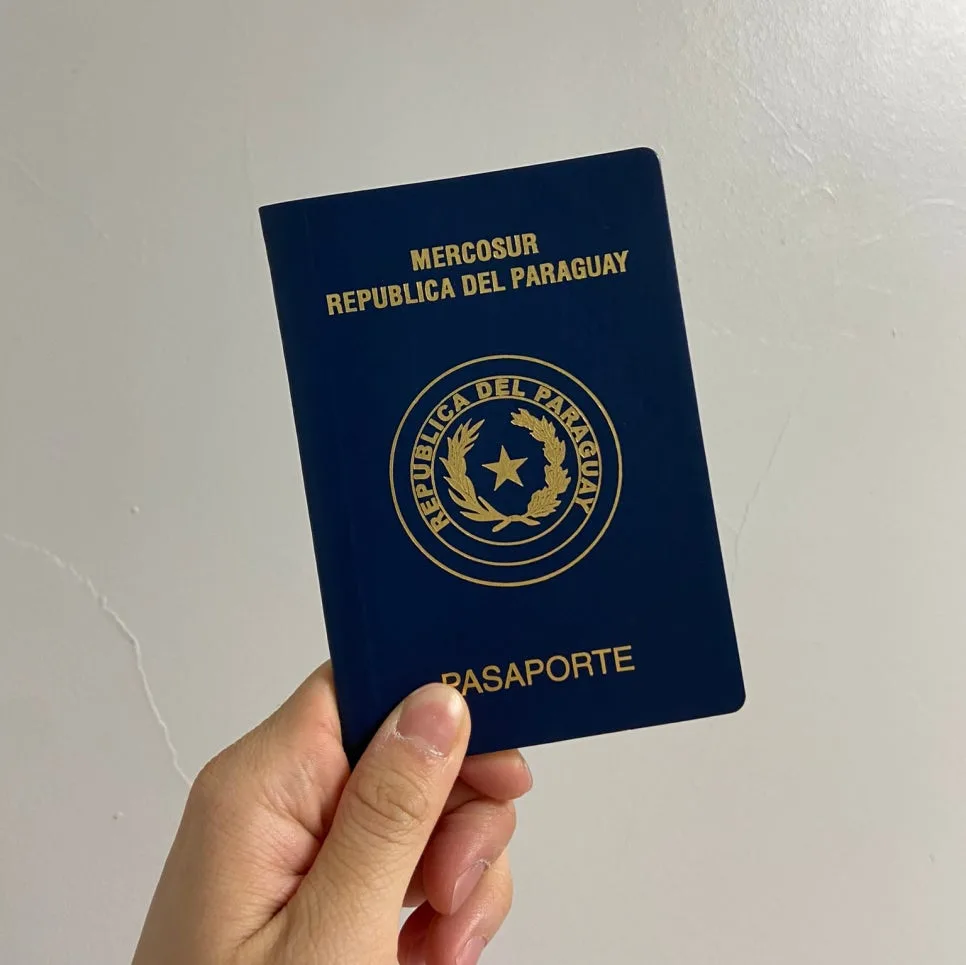
US passport holders can enjoy visa-free entry to South Korea for tourism and business stays of up to 90 days. However, all eligible travelers must obtain a K-ETA (Korea Electronic Travel Authorization) online before their departure. The K-ETA application fee is approximately $10 USD. The best times to visit Korea are spring (March-April) for cherry blossoms and autumn (October-November) for pleasant weather and vibrant foliage. Summer (June-August) can be hot and humid with a rainy season, while winter (December-February) is cold but offers opportunities for snow sports. Planning your trip during the shoulder seasons of spring or fall generally provides the most comfortable weather for exploring Seoul and beyond.
What unique cultural activities can I experience in Korea beyond typical tourism in 2026?
Beyond the bustling cityscapes and popular K-pop sites, Korea offers unique cultural experiences that deeply resonate with visitors. A 'temple stay' (templestay) is a growing trend for those seeking tranquility and a glimpse into Buddhist traditions. Participants can stay overnight at a Buddhist temple, engaging in meditation, tea ceremonies, and communal meals. This offers a profound sense of peace and cultural immersion. Another unique aspect is exploring Korea's vibrant food scene through cooking classes, learning to make dishes like kimchi or bibimbap. For K-pop fans, visiting agency buildings or fan-themed cafes can be a special treat. These activities provide a deeper connection to Korean heritage and contemporary culture.
English crawl path
Next English reads from this pilot cluster
Continue through the category hub, latest English stories, and related posts so this translated article is not an isolated URL.
Tags
💬Frequently Asked Questions
Do US citizens need a visa to visit Korea in 2026?
What is the estimated daily cost for a trip to Seoul in 2026?
What are the best times of year to visit Korea?
What is a temple stay experience in Korea?
English discovery path
Explore more English K-culture stories
Keep browsing the indexed English pilot cluster so Google and readers can move between this story, the category hub, and fresh discovery pages.
Original Source
Read the Korean original