Planning a trip to Korea in 2026? This guide breaks down essential travel information, including costs, visa requirements for US citizens, and unique cultural experiences like temple stays, offering a comparison to Western travel styles.
- US citizens can visit Korea for up to 90 days visa-free, but must obtain K-ETA approval.
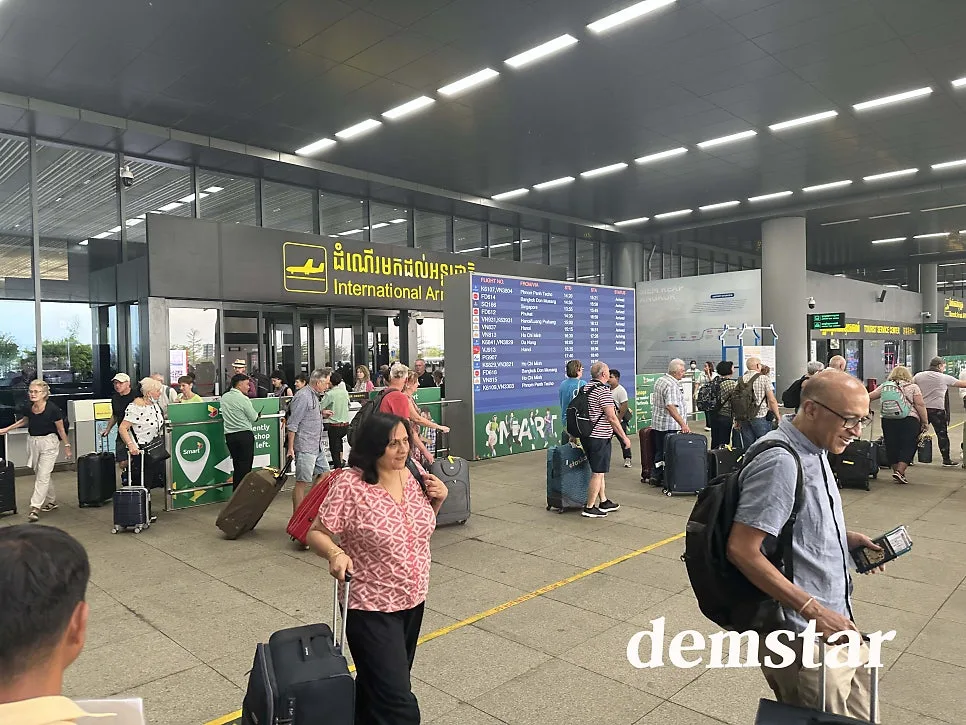
- Transportation from Incheon Airport: AREX train costs approximately $9 USD, while taxis range from $65-80 USD.
- Popular Seoul neighborhoods include Hongdae (youth culture), Gangnam (upscale), Bukchon (traditional), and Myeongdong (shopping).
Based on the original Korean blog post and linked source page, translated and summarized by BackToLink for global discovery.
What is a Temple Stay (Templestay) in Korea?
A Temple Stay (Templestay) offers a unique opportunity to experience the serene life of Korean Buddhist monks. Participants can engage in meditation, chanting, tea ceremonies, and communal meals within the tranquil grounds of ancient temples. This immersive cultural program provides a deep dive into Korean spirituality and mindfulness, a stark contrast to the often fast-paced Western approach to travel. While Western retreats focus on relaxation or personal growth, a Korean Templestay emphasizes community, discipline, and spiritual reflection, offering a profound cultural exchange. Many temples across Korea offer these programs, providing a peaceful escape and a chance to disconnect from daily life.
How Much Does a Trip to Korea Cost in 2026?
A trip to Korea in 2026 can vary widely in cost depending on your travel style. For US travelers, expect accommodation to range from $40-150 USD per night for mid-range hotels and upwards of $120-400 USD for luxury options. Dining can be quite affordable, with street food meals costing around $5-10 USD and restaurant meals averaging $15-30 USD. Transportation within Seoul is efficient and inexpensive, with subway rides costing less than $2 USD. The AREX express train from Incheon International Airport to Seoul Station is about $9 USD, a significant saving compared to a taxi, which can cost $65-80 USD. Budgeting around $100-200 USD per person per day, excluding flights and major shopping, is a reasonable estimate for a comfortable trip.
What Are the Best Neighborhoods to Explore in Seoul?
Seoul offers diverse neighborhoods, each with its own unique charm. Hongdae is the vibrant hub for youth culture, art, and indie music, buzzing with street performances and trendy cafes. For a more upscale experience, Gangnam boasts luxury shopping, high-end dining, and entertainment venues, embodying modern Korean sophistication. Bukchon Hanok Village offers a glimpse into traditional Korean life with its well-preserved historic houses (hanoks) and charming alleyways, providing a stark contrast to the city's modernity. Myeongdong is a paradise for shoppers, famous for its cosmetics, fashion boutiques, and bustling street food scene. Exploring these distinct areas provides a comprehensive understanding of Seoul's dynamic culture and lifestyle.
What Unique K-Culture Experiences Should I Not Miss?
Beyond the typical tourist attractions, Korea offers unique cultural experiences. Visiting a SMTOWN museum or related K-pop sites can be a pilgrimage for fans, offering interactive exhibits and merchandise. For those seeking a deeper connection with Korean heritage, a Templestay provides an authentic glimpse into Buddhist monastic life. This immersive program allows participants to learn meditation, participate in daily rituals, and experience the tranquility of temple living. It’s an experience that offers profound personal reflection and a unique understanding of Korean spirituality, distinct from Western wellness retreats. Engaging with these cultural touchstones provides a richer, more nuanced perspective on Korea.
Do US Citizens Need a Visa for Korea?
US citizens can travel to South Korea for tourism or business for up to 90 days without a visa. However, all eligible travelers must obtain a K-ETA (Korea Electronic Travel Authorization) online before their departure. The application process is straightforward, and the K-ETA is typically valid for multiple entries over a two-year period. It's crucial to apply for K-ETA at least 72 hours before your flight to ensure approval. While visa-free, this electronic authorization is a mandatory entry requirement. Always check the latest official government guidelines before your trip, as regulations can change.
For more details, check the original source below.