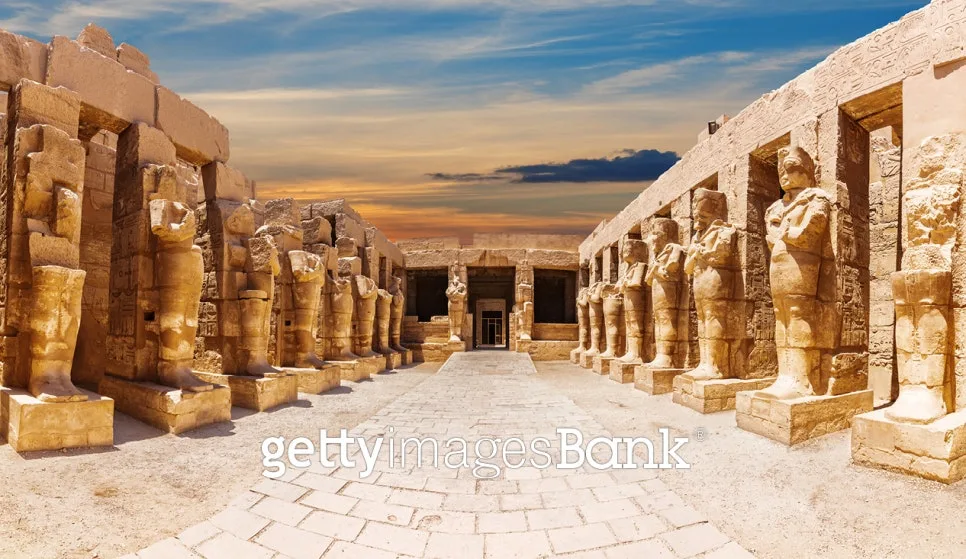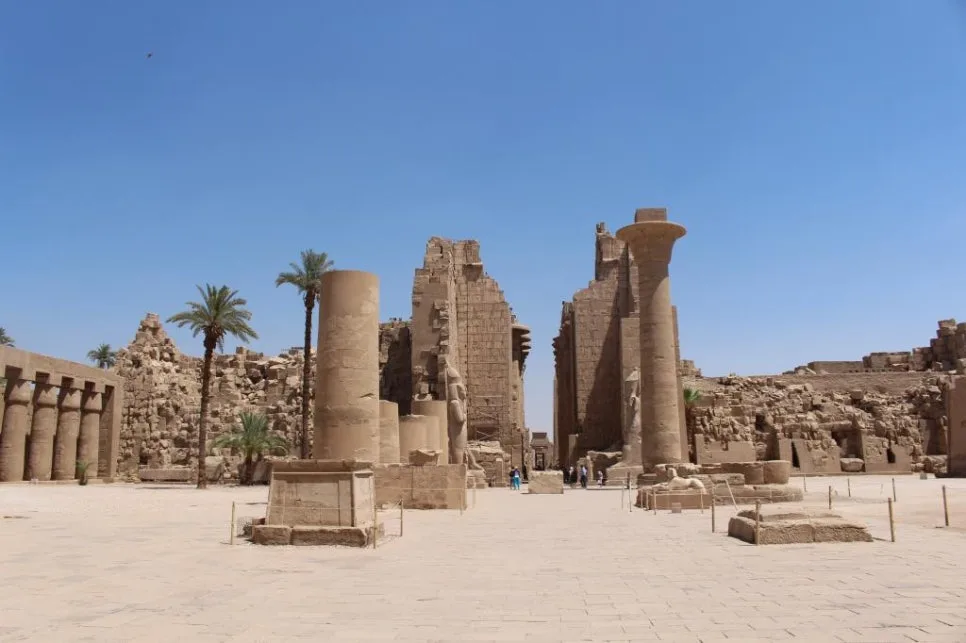
Karnak Temple, located in Luxor, Egypt, is the world's largest religious complex, built over 2,000 years and preserving the mysteries of ancient Egyptian civilization. Based on actual visiting experience, here's a guide to its key information and visiting tips.
Why is Karnak Temple Called a 'Living History Book'?
Karnak Temple is more than just ruins; it's a vast museum where ancient Egyptian history truly comes alive. This is because numerous pharaohs, including Ramesses II and Thutmose III, built and expanded the temple over 2,000 years, recording their achievements and faith. The intricate carvings and hieroglyphs found throughout the temple vividly depict the lives, myths, and religious rituals of the ancient Egyptians. It offers a unique experience, like stepping into a time machine and traveling back to the past, allowing you to directly feel the breath of ancient civilization. Walking through this site, you'll feel a sense of wonder as if you've time-traveled to the era of pharaohs thousands of years ago.
How Grand is the Scale of Karnak Temple?
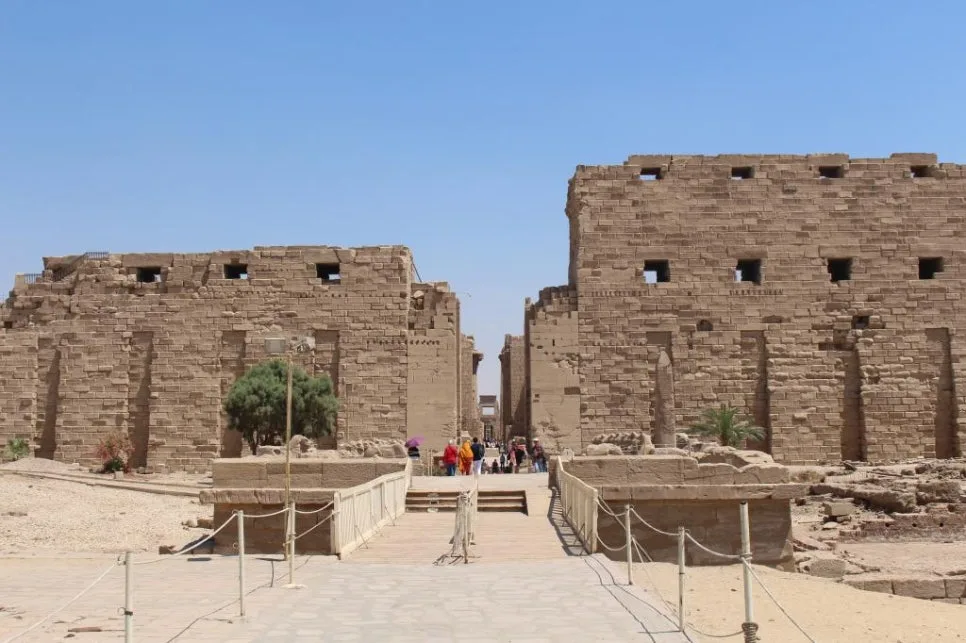
Upon entering Karnak Temple, the first thing that overwhelms visitors is its magnificent scale. The hypostyle hall of the Great Temple, in particular, boasts a breathtaking landscape with 134 colossal stone pillars standing densely like a forest. Each pillar is over 65 feet (20 meters) tall and about 33 feet (10 meters) in circumference, and its surface is covered with exquisite carvings depicting ancient Egyptian myths and the achievements of pharaohs. The sight of these massive pillars soaring towards the sky creates a sacred and awe-inspiring atmosphere, as if entering the realm of the gods. These colossal stone pillars are a testament to the architectural skills and artistic prowess of the ancient Egyptians.
What Should You See at Karnak Temple?
Karnak Temple is not a single structure but a complex of various temples, sanctuaries, and chapels. The most important sites include the Great Temple dedicated to the sun god Amun-Ra, the temple of his consort Mut, and the temple of the moon god Khonsu. In addition, there are abundant attractions such as the Sacred Lake, towering obelisks reaching for the sky, numerous sphinx statues, and more. In particular, the colossal statues erected by Ramesses II to assert his authority, and the traces he left throughout the temple, allow you to vividly feel his majesty. Each temple and structure holds its own unique history and beliefs, making it fascinating to learn about their significance.
What Should You Be Aware of When Visiting Karnak Temple?
There are a few points to keep in mind when visiting Karnak Temple. First, Egypt's sun is very intense, so it's recommended to visit early in the morning or around sunset when it's relatively cooler. A hat, sunglasses, and sunscreen are essential, and it's important to have plenty of water. Second, as Karnak Temple is a religious site, modest attire is considered polite. Third, due to the temple's vast and complex layout, hiring a local guided tour is highly beneficial for a deep understanding of its overall history and meaning. Finally, flash photography and tripod use are prohibited for photography, so please adhere to the regulations. Being aware of these points in advance will ensure a more comfortable and meaningful visit.
For more details, check the original source below.