This 2026 guide provides essential emergency contact numbers and safety protocols for students, working holiday visa holders, and travelers in Australia. Learn how to respond swiftly and effectively during unexpected incidents to ensure your safety Down Under.
What is Australia's crucial emergency number, 000?
In Australia, for life-threatening emergencies requiring police, ambulance, or fire services, dial 000. This single number connects you to all emergency services, similar to dialing 112 and 911 in the US. If you're not comfortable speaking English, you can request a Korean interpreter by saying, "Korean interpreter please." This is the first number I always advise students to memorize, and it has helped many navigate critical situations. Understanding that 000 is the unified emergency line is vital for anyone visiting or living in Australia.
How to get police help for non-emergencies in Australia?
Related Articles
For non-life-threatening situations where you need police assistance, such as reporting a minor theft or disturbance, call 131 444. This number is specifically for situations that don't require an immediate emergency response. Using 131 444 for non-emergencies helps keep the 000 lines free for critical incidents. Many students have successfully used this line for reporting petty crimes or seeking advice on less urgent matters. While this service is available, it's advisable to check the operating hours for your specific region, as it may not be 24/7 everywhere.
What's the procedure if you lose your passport or important documents in Australia?
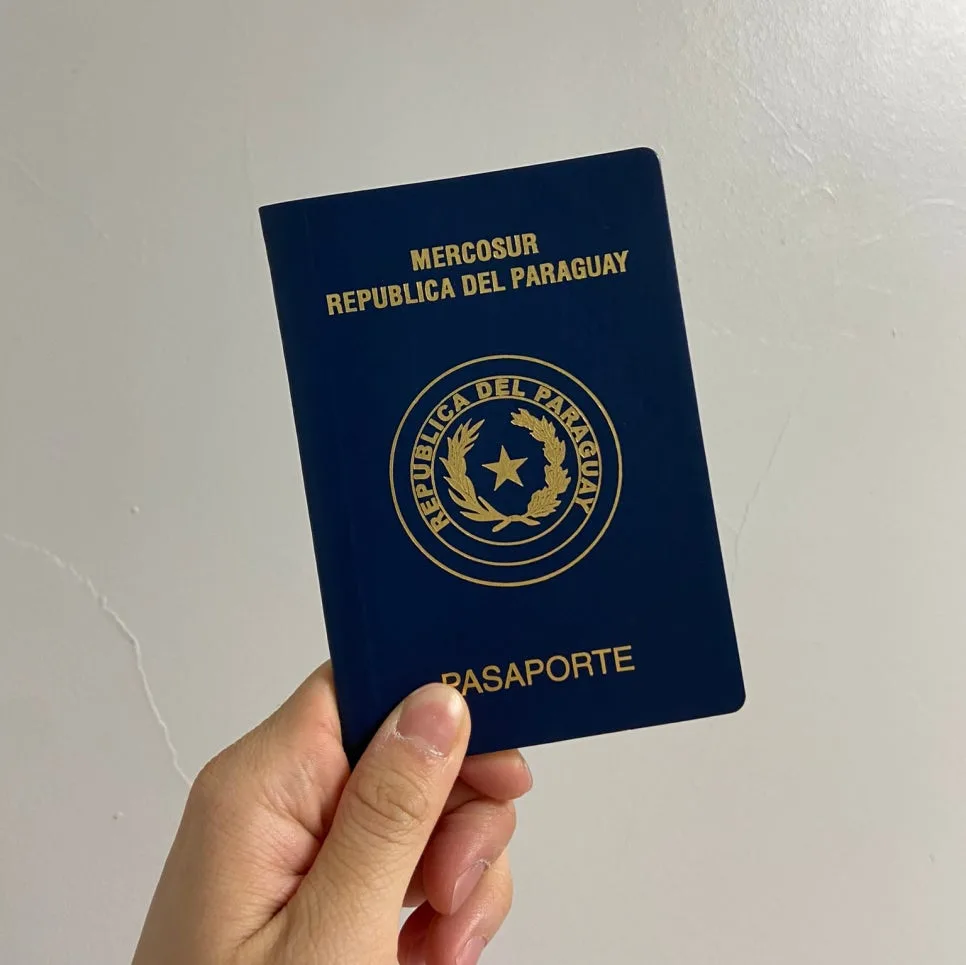
If your Australian visa, passport, or other crucial documents are lost or stolen, your first step is to visit a local police station to obtain a Police Report. This official document is essential for proving the loss. Afterward, contact the Australian Embassy or Consulate of your home country. For South Korean citizens, this would be the Embassy of the Republic of Korea in Canberra (Phone: +61 2 6270 4100) or the Consulate-General in Sydney (Phone: +61 2 9210 0200). You can then apply for a replacement passport or an emergency travel document. The process can take time, so reporting the loss immediately and preparing the necessary paperwork is crucial.
Where can you inquire about Australian visa and entry regulations?

For all inquiries regarding Australian visa status, entry requirements, and immigration matters, contact the Australian Department of Home Affairs. Their main contact number is 131 881. This is the definitive source for accurate and up-to-date information on visas, including the Electronic Travel Authority (ETA) system. As a travel advisor, I stress the importance of staying informed about visa regulations, as they are fundamental to your legal stay in Australia. Regularly checking your visa conditions and expiry dates is a non-negotiable part of responsible travel or residency.
How can you utilize the Korean Ministry of Foreign Affairs' Consular Call Center?
If you are a Korean national abroad and require assistance from the Korean government due to an incident or emergency, you can contact the Korean Ministry of Foreign Affairs' Consular Call Center at +82 2 3210 0404. This service operates 24/7 and can provide crucial support by liaising with local authorities and offering guidance. It's particularly useful for serious emergencies, such as criminal victimization or significant health crises, where government-level intervention might be necessary. Knowing this contact is a vital safety net for any Korean citizen traveling or living overseas, including in Australia.
What are Australia's state-specific safety tips and useful phrases?
Australia's states and territories often have their own safety information systems and apps. For example, Service NSW in New South Wales offers information and reporting via its app, while Victoria has a dedicated Police Assistance Line. Queensland provides alerts for cyclones and floods. It's wise to familiarize yourself with the emergency alert systems for the specific state you're in or visiting, especially if you're in an area prone to natural disasters. Learning basic English emergency phrases can also be incredibly helpful: "I need an ambulance," "I need the police," "I lost my passport," or "I need a Korean interpreter." Having these ready can make a significant difference in urgent situations. My experience shows that proactive preparation, even with simple phrases, greatly enhances safety.
For more detailed Australia travel safety information, check the original source.