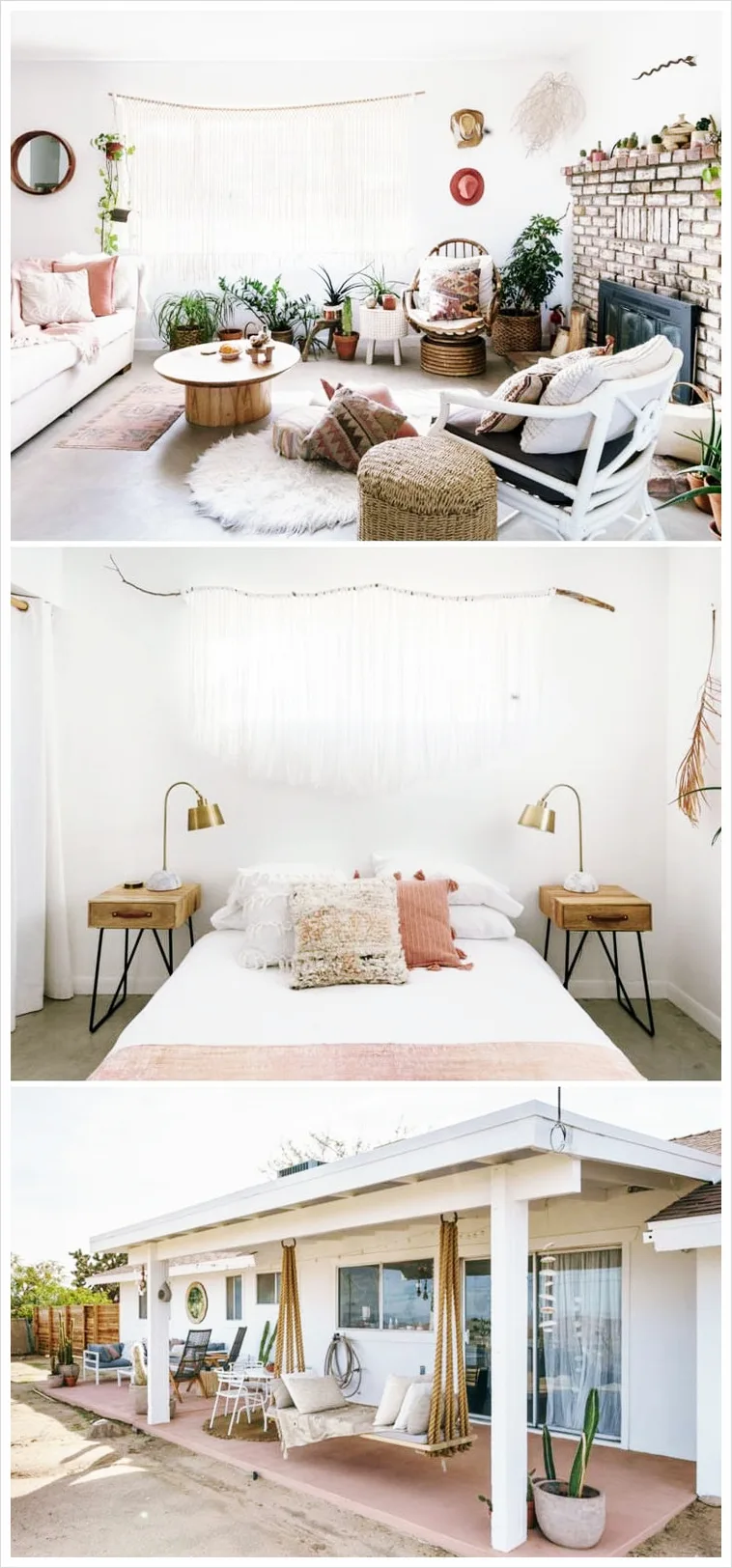
When your Airbnb doesn't match the photos, use the phrase 'I don’t want to cause any drama. Just give me a partial refund and let’s be done with it.' This direct yet polite approach helps you resolve issues and secure a partial refund without unnecessary conflict, ensuring a smoother travel experience.
Airbnb Photos vs. Reality: What to Say in English?
It's frustrating when your Airbnb accommodation doesn't live up to the pictures you saw online. To navigate this, start by politely stating the discrepancy: 'I'm sorry but this place doesn't really look like the photos you posted on Airbnb.' This opening is crucial as it sets a calm, factual tone, making the host more receptive to resolving the issue. Based on travel experiences, this non-confrontational start is far more effective than an immediate accusation, encouraging a collaborative problem-solving approach.
Next, be specific about the differences. Instead of a general complaint, say something like, 'the room is way smaller and the ocean view you mentioned is completely blocked by trees.' This provides concrete evidence of the mismatch. If the host offers excuses, like the photos being old or trees growing, calmly acknowledge their point but reiterate the current reality: 'The photos were taken a while ago, and as for the trees, well, they’ve grown taller.' This shows you're reasonable but still firm about the current unsatisfactory condition.
Understanding the Phrase 'Cause Drama'

'Cause drama' means to create problems, stir up conflict, or cause a fuss, often implying unnecessary exaggeration or a desire to make a situation more dramatic than it needs to be. For instance, saying 'She just enjoys causing drama' implies someone likes to stir up trouble. In a travel context, if you encounter an issue with your accommodation, you might want to avoid escalating the situation. You can express this by saying, 'I don’t want to cause any drama.' This signals your intention to resolve the issue calmly and efficiently, without creating a scene.
When you need to address a problem, like an inaccurate Airbnb listing, stating 'I don’t want to cause any drama. Just give me a partial refund and let’s be done with it.' is a powerful way to communicate your needs. This phrase clearly states your desire for a partial refund and your wish to conclude the matter swiftly and amicably. It’s a practical approach to getting what you need without getting bogged down in emotional arguments, which often leads to a quicker resolution.
Clarifying 'Different From,' 'As For,' and 'Partial Refund'
'Different from' is used to highlight a contrast between two things. For example, 'This room is different from the pictures' clearly states a discrepancy. While 'different than' is sometimes used, 'different from' is generally considered more grammatically correct. 'As for' is a transitional phrase meaning 'regarding' or 'concerning,' used to introduce a new topic or shift focus. For instance, 'As for the cleanliness, it was acceptable' shifts the conversation to the state of cleanliness. A 'partial refund' is a portion of the total cost returned to you, as opposed to a 'full refund.' In situations where the accommodation is not entirely unusable but has significant flaws, requesting a 'partial refund' is often a more realistic and achievable outcome than demanding a full refund.
Using 'Create a Scene' vs. 'Let's Be Done With It'
'Create a scene' means to cause a public disturbance or make a spectacle, often through loud complaints or dramatic behavior. It's similar to 'cause drama' but usually implies a more overt and disruptive action. For example, shouting at hotel staff in the lobby would be 'creating a scene.' On the other hand, 'Let's be done with it' is a practical phrase used to signal a desire to conclude a discussion or situation quickly. When dealing with an Airbnb issue, saying 'Let’s be done with it' after requesting a partial refund indicates you want to finalize the matter and move on, avoiding further negotiation or emotional entanglement. This approach helps maintain a positive travel mindset.
For more details, check the original source below.