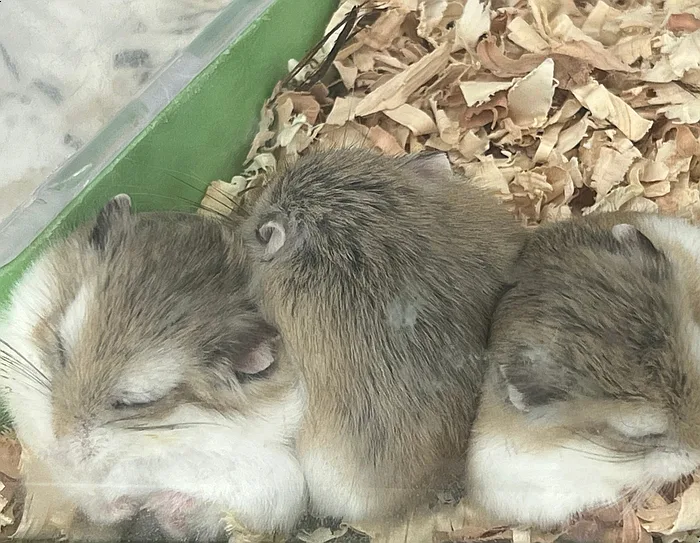
Thinking about adopting a Roborovski hamster, often called the 'deer hamster'? These tiny pets have an average lifespan of 2-3 years and are known for their quick movements. Key to their care are a balanced diet and ensuring they have enough space to expend their high energy levels.
What is the average lifespan of a Roborovski hamster?
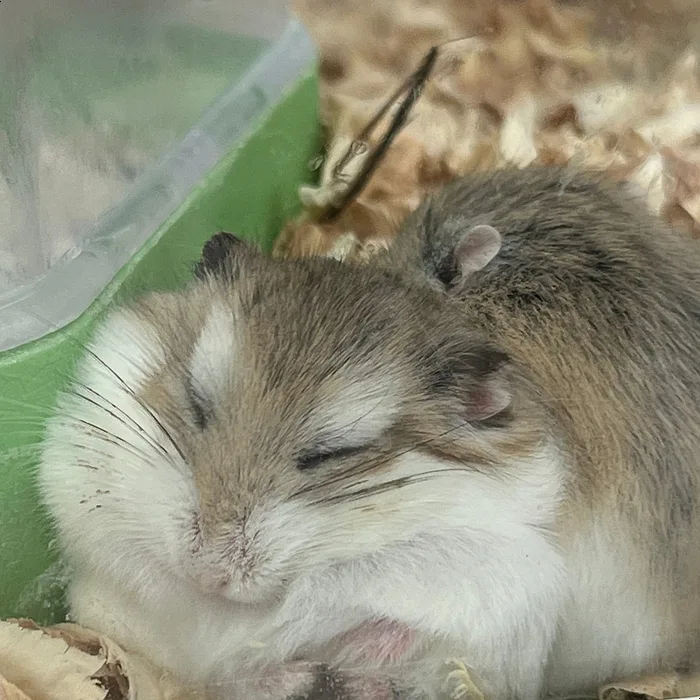
Roborovski hamsters, the smallest of the dwarf hamster varieties, typically live for about 2 to 3 years. While their lifespan is generally shorter than that of larger breeds like the Golden hamster, proper care and a healthy environment can help some individuals live beyond three years. A hamster's longevity is influenced by genetics, living conditions, and diet, so meticulous attention to their needs is crucial for a long and healthy life. Understanding their nocturnal habits and ensuring they get adequate rest is also vital for their well-being.
What are the physical traits and personality of the 'deer hamster'?
The Roborovski hamster, affectionately nicknamed the 'deer hamster,' is most recognized for its incredibly small size, measuring around 4 cm (about 1.5 inches) on average. This name comes from the distinctive white fur around their eyes, reminiscent of a deer. Their back fur is typically a sandy or tan color, sharply contrasted by a white belly. These hamsters are known for their extremely fast and agile movements, making them somewhat challenging to handle. While generally good-natured, they require significant time and effort to become accustomed to human interaction. For first-time hamster owners, patience is key when building a bond with a Roborovski.
What is the best diet for a Roborovski hamster?
Given their tiny stature, providing a nutritionally balanced diet is paramount for Roborovski hamsters. A mix of specialized hamster food pellets and seed mixes can offer a well-rounded diet and make mealtime more engaging. Choose a primary food that your hamster enjoys and supplement it sparingly with seeds like sunflower seeds or small amounts of vegetables such as carrots or cucumbers. Due to their sensitivity to sugar, it's best to limit or avoid fruits. For growing hamsters, protein can be boosted with occasional small servings of dried mealworms, boiled chicken breast, or egg whites. Always ensure fresh, clean water is available daily.
Are Roborovski hamsters easy to care for?
While setting up a cage for a Roborovski hamster might seem straightforward due to their small size, their high activity levels and rapid movements necessitate ample space and a variety of enrichment items. They are nocturnal and require a quiet environment during the day to rest. Despite their small size, they need a surprisingly large enclosure to satisfy their need for exploration and exercise. While often described as having less odor than other small pets, regular cage cleaning, providing chew toys for dental health, and managing potential noise are important considerations. The initial cost can range from approximately $15-$40 USD, depending on the source and the hamster's specific characteristics. It's essential to weigh these factors carefully before deciding to bring one home.
What are the key considerations when keeping a Roborovski hamster?
Roborovski hamsters, with their quick movements, can be difficult to handle and are sensitive to stress. Avoid sudden noises or large movements, and strive to create a calm environment where they feel secure. Because they are prone to diabetes, limit treats high in sugar, such as fruits. When cleaning their cage, handle them gently to minimize stress, and regularly change the bedding to maintain a hygienic living space. Developing a habit of observing your hamster daily can help you spot any early signs of illness or distress, allowing for prompt veterinary consultation if needed. Always consult with a veterinarian if you have concerns about your hamster's health.
For more details, check the original source below.