Spaying your female cat between 5-6 months old, once she weighs over 4.4 lbs (2kg), and before her first heat cycle is crucial for preventing diseases like pyometra and mammary tumors. The average cost for this procedure in the US ranges from $75 to $300, depending on the clinic and any additional pre-surgical tests required.
Why is Spaying Your Female Cat Essential? 2026 Update
Spaying, or ovariohysterectomy, is a vital surgical procedure for female cats that goes far beyond simply preventing unwanted litters. In Korea, as in the US, it's strongly recommended by veterinarians to significantly reduce the risk of serious health issues such as pyometra (a life-threatening uterine infection) and mammary gland tumors. Many studies show that spaying before the first heat cycle drastically lowers the chance of developing mammary cancer. Beyond physical health, spaying eliminates the stress and behavioral changes associated with heat cycles, like excessive vocalization, restlessness, and altered appetite, contributing to a happier, more stable life for your feline companion. This procedure is a cornerstone of responsible pet ownership, ensuring a longer, healthier life for your cat.
Optimal Timing for Spaying and Preparation
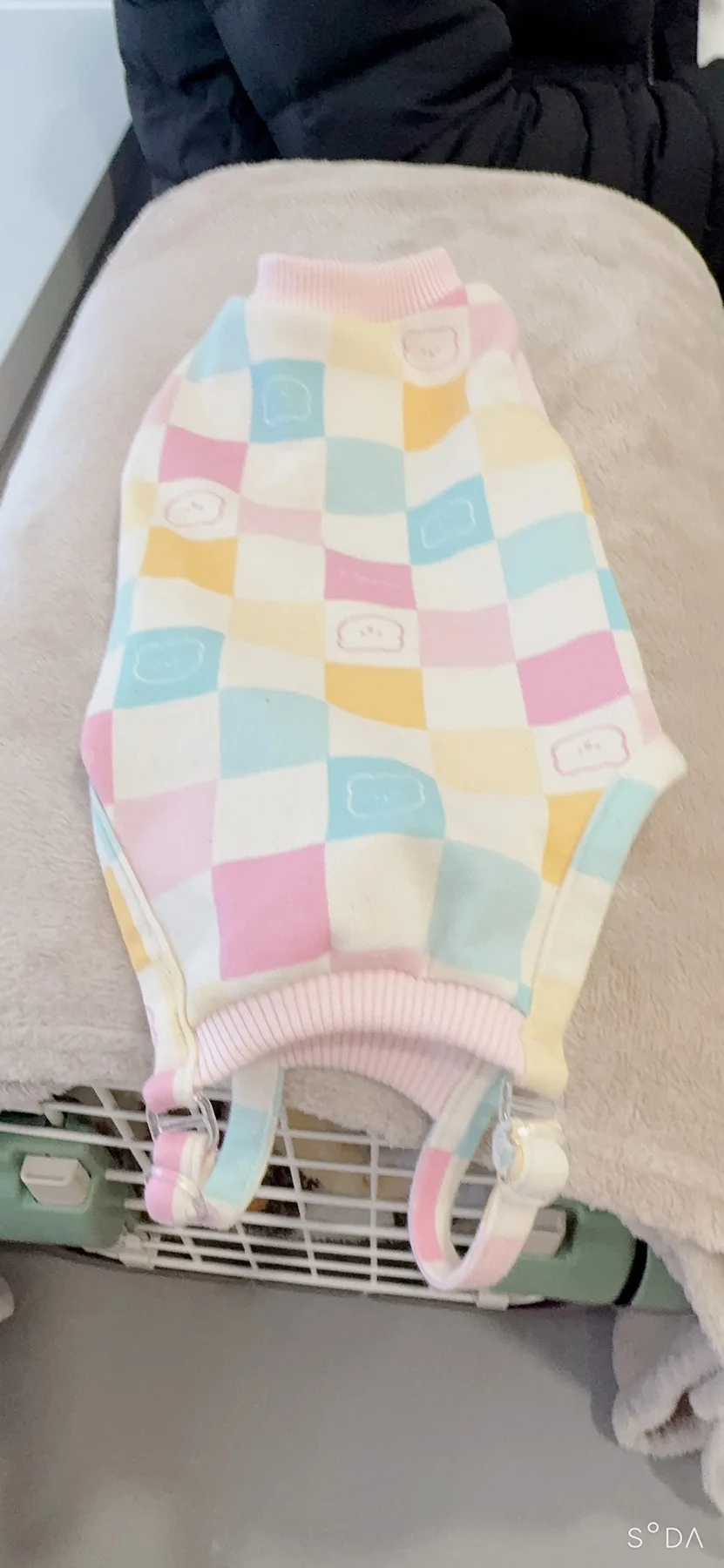
The ideal time to spay a female cat is generally between 5 to 6 months of age, once she reaches a healthy weight of at least 4.4 lbs (2kg), and ideally before her first heat. Waiting until after the first heat can increase the risk of mammary tumors. For our cat, 'Ddingi,' we scheduled her spay surgery around 6 months old. Before the procedure, it's essential to consult with your veterinarian to assess your cat's overall health and discuss any necessary pre-operative tests, such as blood work. Preparing a comfortable recovery space at home, including a soft bed away from high-traffic areas, and having a recovery cone (e-collar) or surgical suit ready is also recommended to aid healing.
Female Cat Spay Surgery Costs and Procedure
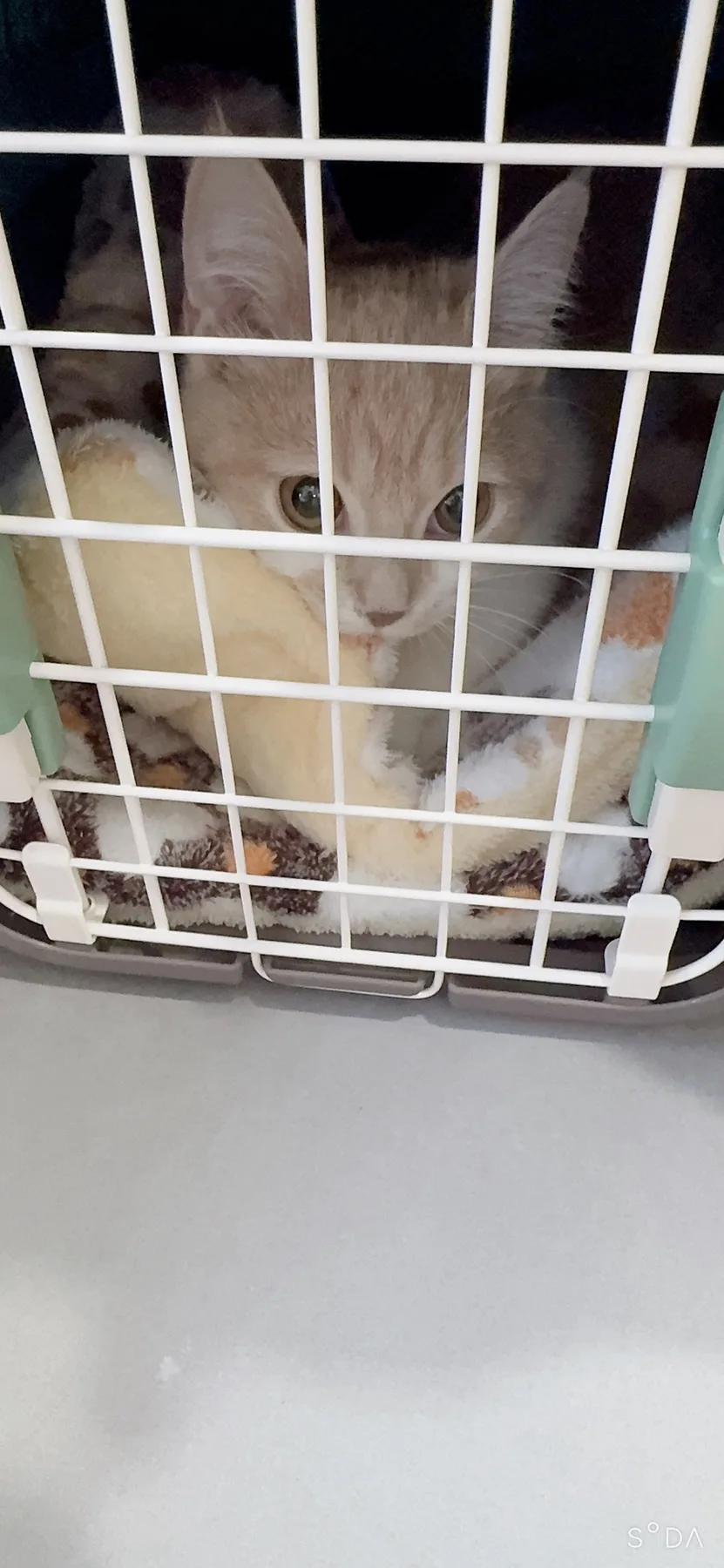
The cost of spaying a female cat can vary significantly between veterinary clinics, typically ranging from $75 to $300 in the US. This price generally includes anesthesia, the surgical procedure itself, and basic post-operative care. However, additional costs may arise for pre-surgical blood tests, pain medication, or Elizabethan collars (e-collars). On the day of surgery, your cat will need to fast overnight. After arriving at the clinic, blood tests are usually performed, followed by general anesthesia. The surgery involves an incision to remove the ovaries and uterus. Most cats can go home the same day, typically 3-5 hours post-operation, though recovery for female cats may require a bit more attention than for males due to the abdominal incision.
Post-Spay Recovery Period and Precautions
Your female cat will require a quiet recovery period of approximately 7 to 10 days following her spay surgery. During this time, it's crucial to minimize strenuous activity, including jumping, to prevent disruption of the incision site. An e-collar or a surgical recovery suit must be worn consistently to prevent licking or chewing at the wound, which can lead to infection. We opted for a soft, fabric surgical suit for 'Ddingi,' which seemed much more comfortable for her than a traditional cone. The vet will typically schedule a follow-up appointment around 7 days post-surgery for suture removal, if dissolvable sutures were not used. Contact your veterinarian immediately if you observe persistent vomiting, diarrhea, loss of appetite lasting more than 24 hours, or any signs of incision site infection.
Female Cat Spay: A Personal Experience
'Ddingi' was quite subdued and lethargic for the first 48 hours after her surgery, which is normal. She shivered a bit and seemed uncomfortable, and seeing her in pain was difficult as a pet parent. However, by the third day, her eyes were brighter, and she started showing more interest in her surroundings. While the recovery suit looked a bit comical, it was clearly more comfortable for her than an e-collar. Despite the temporary discomfort, we are confident that spaying was the best decision for her long-term health and well-being. If you're considering spaying your cat, thorough research and preparation will help ensure a smooth and successful recovery.
For more details, check the original source below.