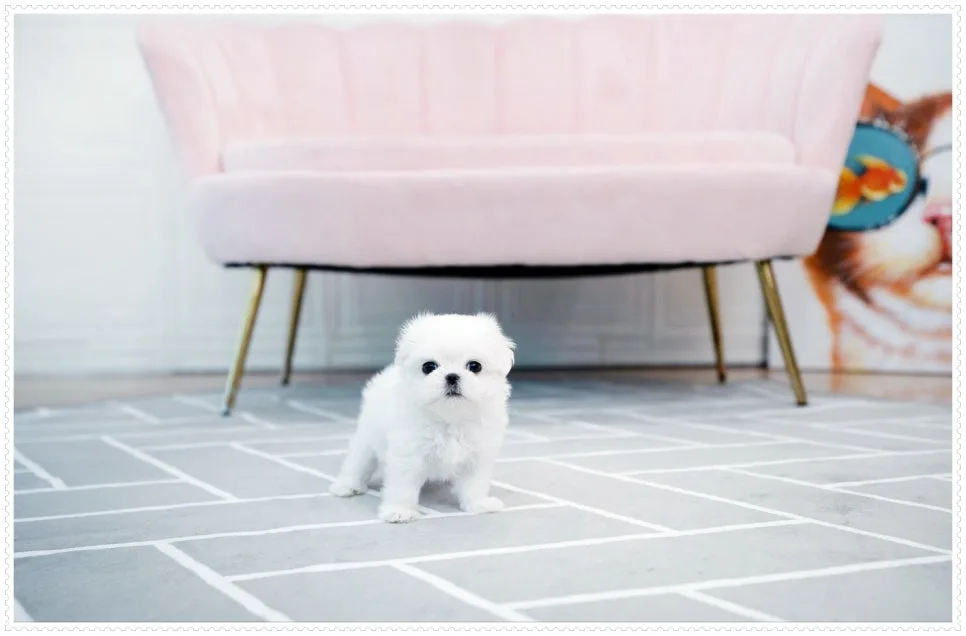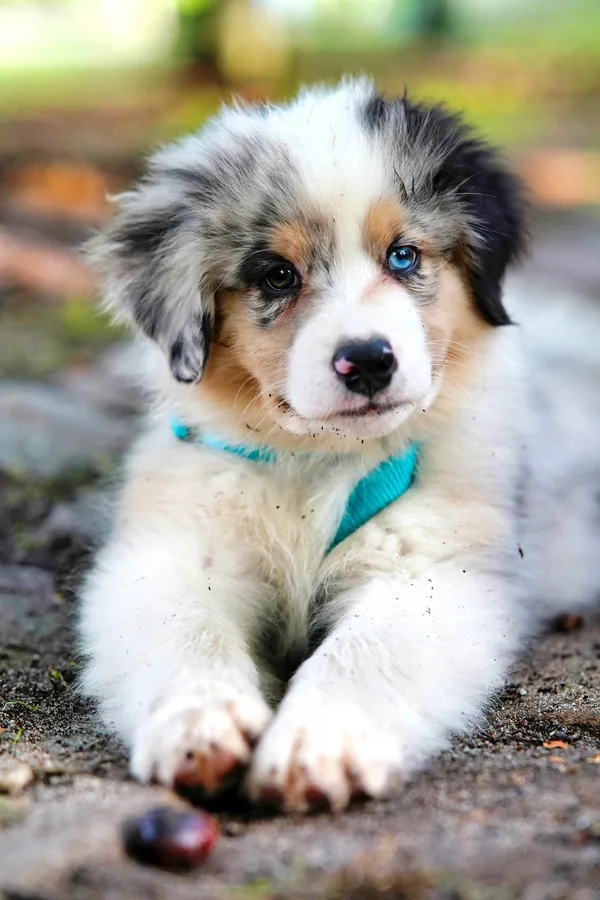
A well-socialized puppy is a happy, confident adult dog. The critical socialization period, especially before 3 months old, lays the foundation for your dog's lifelong temperament and behavior. This guide breaks down the essential steps for successful socialization, from puppyhood through adulthood.
What is the Golden Age for Puppy Socialization? (3-12 Weeks)

The most crucial window for puppy socialization is between 3 and 12 weeks of age, often called the 'golden period.' During this time, puppies are naturally curious and open to new experiences, making it the ideal time to build positive associations with the world. Start by gradually introducing them to everyday household sounds like the vacuum cleaner, doorbell, and TV. Short, positive interactions with new people are also key to establishing a good perception of humans. The focus here is on making every new encounter a joyful experience, using treats and praise to reinforce positive feelings, rather than forcing any training.
How to Socialize Your Adolescent Puppy Outdoors? (3-6 Months)
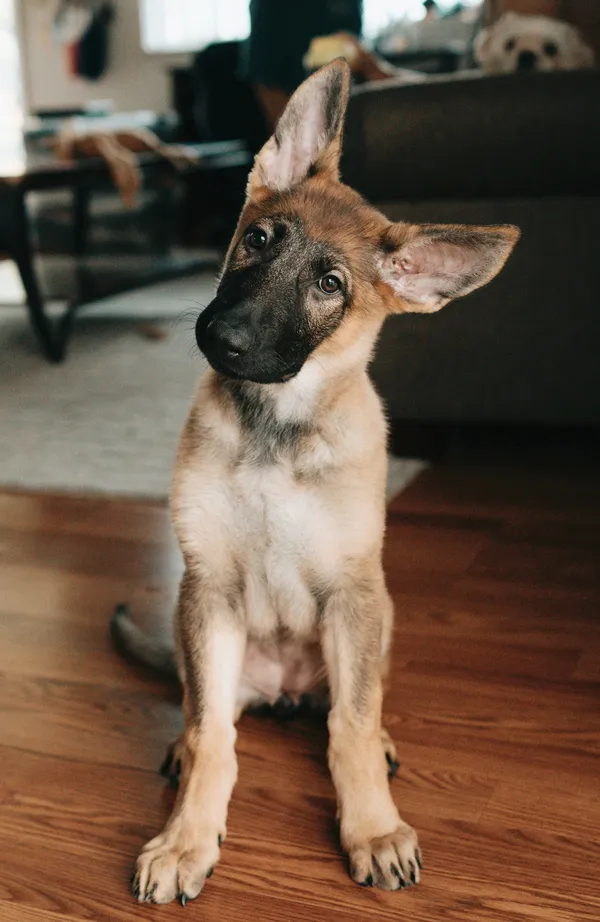
Once your puppy has completed their initial vaccinations, typically around 3 months old, it's time to explore the outside world. Introduce them to a variety of sights and sounds during walks, such as cars, bicycles, and different environments like parks and busy streets. Interaction with other dogs is also vital for social development, but ensure these encounters are safe and supervised, especially with dogs of different sizes and temperaments. Many behavioral issues like excessive barking, fear of walks, or separation anxiety can be prevented or managed with proper socialization during this phase. Providing diverse experiences is paramount.
Maintaining Socialization for Adult Dogs (6+ Months)
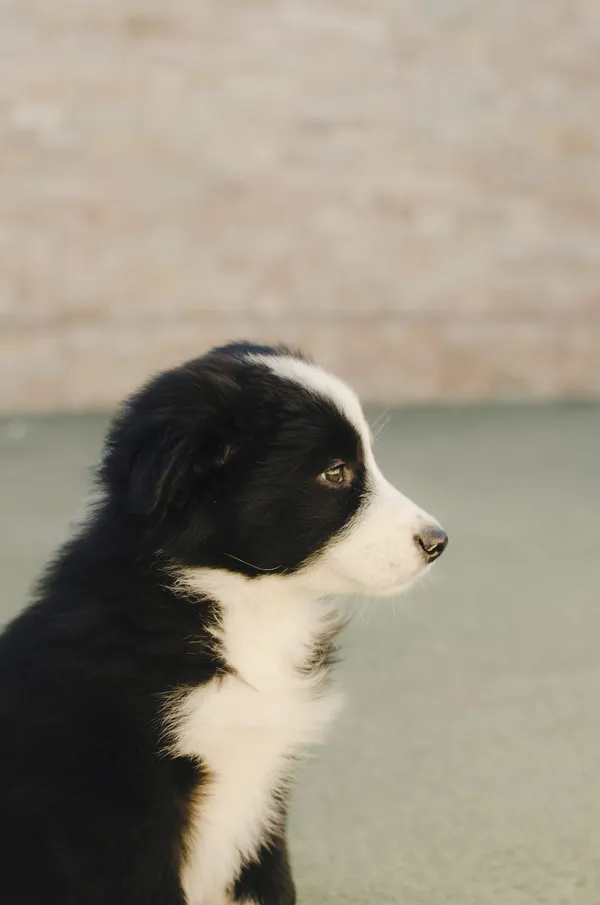
As dogs mature past six months, they may start showing more independent or stubborn tendencies. Maintaining their social skills requires consistency. Stick to a regular routine and regularly practice basic obedience commands like 'sit,' 'stay,' and 'come.' Changing established habits takes more time and effort, so patience and a consistent approach from the owner are essential. Continue to expand their social experiences by taking them on car rides or to dog-friendly cafes, reinforcing their bond with you and their comfort in various settings.
What Are the Key Mistakes to Avoid During Socialization Training?

The most critical aspect to avoid is forcing your puppy into overwhelming or frightening situations. Negative experiences can easily lead to lasting trauma, so always aim to end interactions on a positive note. Rewards, such as treats, praise, or petting, should be immediate to be effective. It's also important for owners to remain calm and composed, as dogs are highly attuned to their handler's emotions. Failing to observe these precautions can inadvertently hinder your puppy's socialization progress.
For more details, check the original source below.