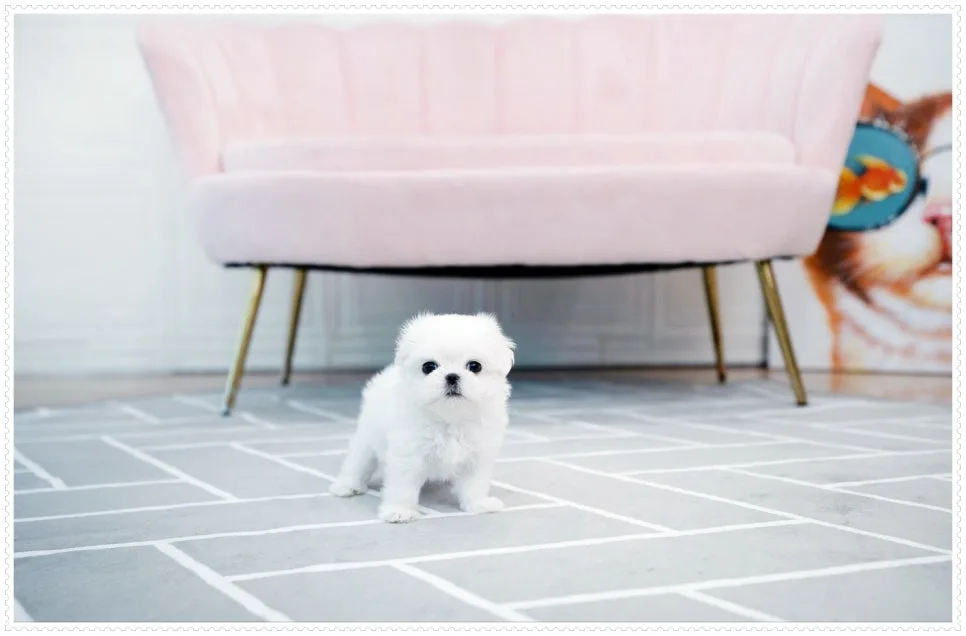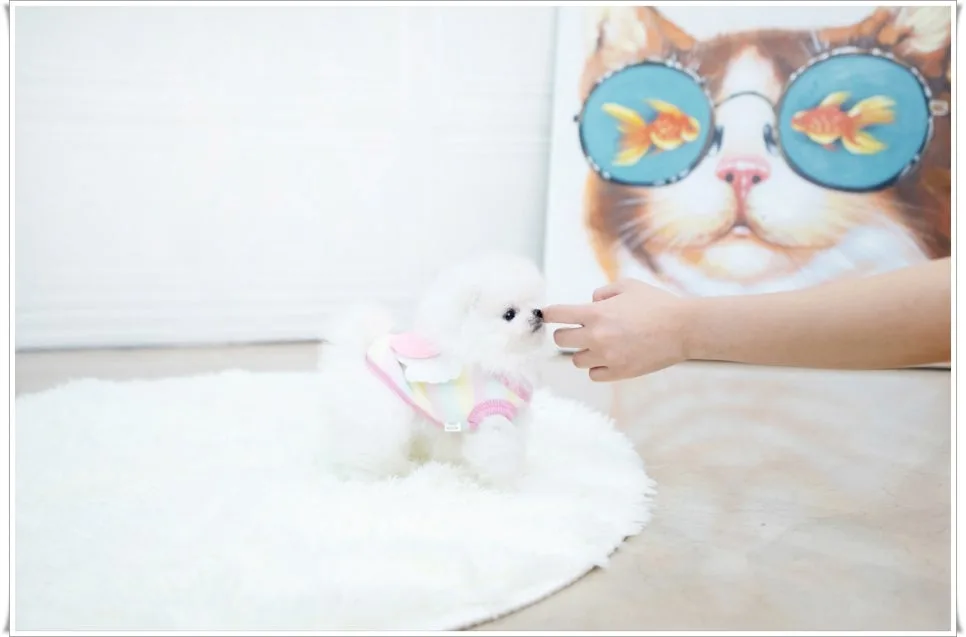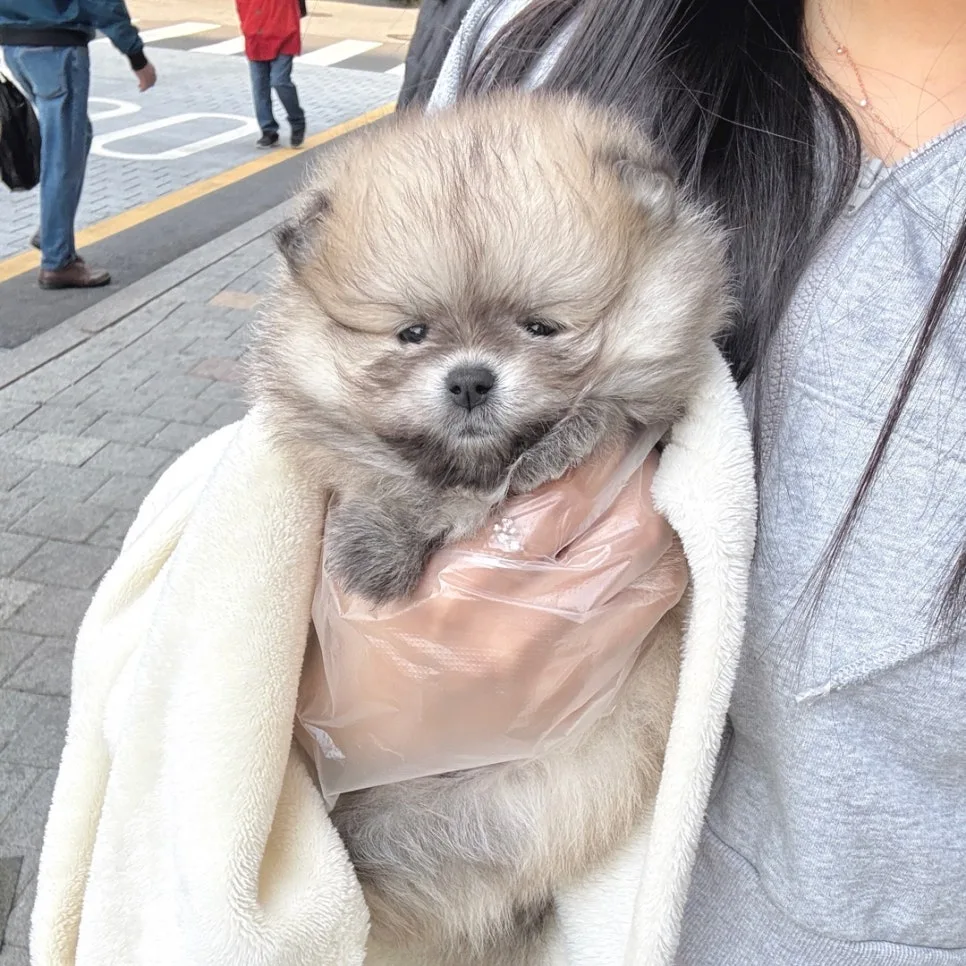
Adopting a Pomeranian in 2026 offers the joy of welcoming a smart, clean, and affectionate companion into your home. These fluffy dogs are known for their trainability and relatively tidy habits, making them popular choices for urban dwellers. While they can be independent, proper socialization and consistent training from an early age are key to managing their potential for excessive barking and shedding. Understanding their needs for grooming and mental stimulation will ensure a happy, well-adjusted Pomeranian. This guide covers everything US adopters need to know about Pomeranian temperaments, training, and care.
What's the Pomeranian Temperament Like?
Pomeranians are often called the 'toy poodle of small dogs' due to their intelligence and eagerness to please, which makes them relatively easy to train. A key trait that appeals to many owners is their inherent cleanliness; many Pomeranians naturally take to potty training with minimal fuss, often choosing a designated spot without much prompting. However, this cleanliness requires diligent maintenance of their potty area to prevent accidents. Providing multiple potty pads initially can increase success rates. Despite their small size, Pomeranians possess a surprisingly independent streak. Overly doting or intrusive attention from owners can sometimes lead to stress or a more demanding personality, so finding a balance of affection and personal space is crucial for their well-being.
How to Socialize and Desensitize Pomeranians
Even though Pomeranians can be independent, they still require careful socialization and desensitization to various stimuli from a young age. This includes getting them accustomed to grooming routines like brushing, ear cleaning, nail trimming, and baths. Introducing these activities gradually with positive reinforcement, such as treats and praise, can prevent them from developing anxiety or aggression later on. It's vital to expose them to different sights, sounds, and environments before they reach five months old. Without positive early experiences, they may become overly wary of strangers or new situations, leading to excessive barking. Gentle introductions to new people and other well-behaved dogs, along with short, positive walks, are essential. To prevent separation anxiety, which is common in independent breeds, practice 'stay' commands and gradually increase the time they spend alone, ensuring they have comfortable resting places and engaging toys.
Addressing Nipping and Chewing in Pomeranian Puppies
Puppies, including Pomeranians, explore the world with their mouths, and nipping is a natural part of their development. However, it's crucial to manage this behavior to prevent it from becoming a problem. When a puppy nips too hard during play, a sharp, high-pitched