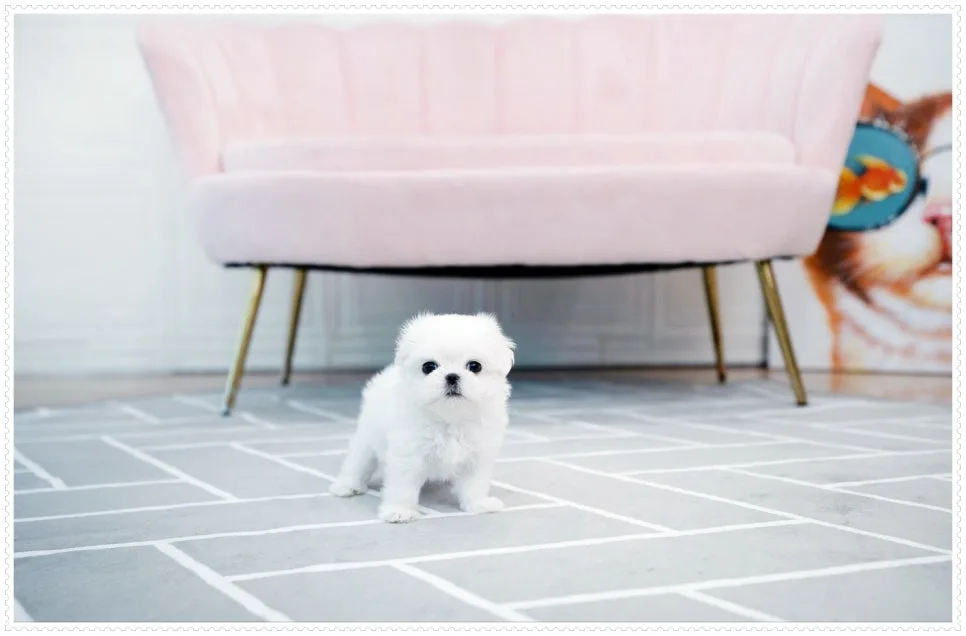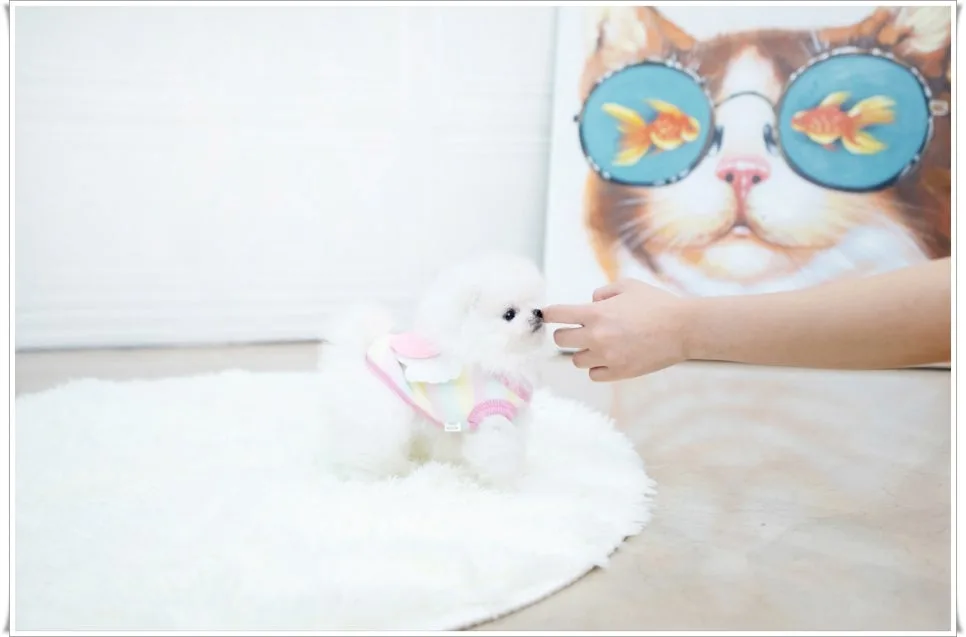
Thinking about bringing a Maltipoo puppy into your home in 2026? This guide covers everything you need to know about Maltipoo adoption, including their charming traits, potential behavioral challenges like separation anxiety and excessive barking, activity needs, and how to predict adult size. We'll also detail how to select a healthy puppy, ensuring a joyful and long-lasting companionship. Maltipoos, a delightful mix of the Maltese and Poodle, are popular for their small size and affectionate nature, making them well-suited for apartment living. However, understanding their specific needs is crucial for responsible pet ownership.
What Makes the Maltipoo So Irresistible?
Maltipoos have captured hearts with their bright, expressive eyes, minimal shedding (a big plus for allergy sufferers!), incredibly affectionate personalities, and compact size. In recent years, as more Americans embrace apartment living and smaller homes, the Maltipoo has emerged as a top choice for a companion animal. They inherit the playful intelligence of the Poodle and the gentle, friendly disposition of the Maltese, fostering deep bonds with their owners. Their charming looks and lively spirit bring immense joy to households across the US. While they are generally well-suited for indoor living, their energy levels and need for mental stimulation require attention.
Preventing and Managing Maltipoo Separation Anxiety
Maltipoos are known for forming strong attachments to their owners, which can unfortunately lead to separation anxiety. If not properly managed from a young age, they may exhibit problem behaviors such as excessive barking, destructive chewing, house soiling, or even pica (eating non-food items) when left alone. These behaviors stem from significant psychological stress and can negatively impact their overall health. To mitigate this, it's vital to begin fostering independence early, ideally before six months of age. Gradually accustoming your Maltipoo to short periods of alone time, implementing crate training, and practicing 'stay' commands consistently can significantly help prevent anxiety. If your Maltipoo already displays signs of separation anxiety, consulting with a professional dog trainer or a veterinary behaviorist is highly recommended for a tailored approach.
Can Socialization Training Improve a Maltipoo's Barking Habits?
Yes, socialization training can be highly effective in managing a Maltipoo's tendency to bark. They can inherit the sensitive hearing and alert nature of the Maltese breed, making them prone to barking at perceived threats or even everyday noises. Early and consistent socialization is key. Exposing your Maltipoo puppy to a wide variety of environments, sights, sounds, and friendly people and animals during their critical developmental period helps them build confidence and reduce reactivity. Positive experiences with novel stimuli can significantly decrease their tendency to bark out of fear or excessive alertness, paving the way for a more well-adjusted adult dog. Investing in thorough socialization is fundamental for a happy and balanced Maltipoo.
Understanding and Meeting a Maltipoo's Activity Needs
Reflecting their Poodle heritage, Maltipoos can possess a high energy level and a tendency towards excitement. If their energy isn't adequately channeled, they might become restless indoors, leading to zoomies or demanding more playtime. Instead of solely relying on high-impact physical exercise, engaging their minds is equally important. Puzzle toys and scent-based games, often referred to as 'nose work,' are excellent for Maltipoos. These activities allow them to use their natural curiosity to find treats or toys, providing mental stimulation that helps manage their excitement levels and reduces stress. Incorporating these calmer, mentally engaging activities into their routine is crucial for a balanced and happy Maltipoo.
Predicting Your Maltipoo's Adult Size
The adult size of a Maltipoo can vary due to the specific Poodle parentage (toy, miniature, or standard). Generally, they weigh between 3 to 12 pounds (approx. 1.4 to 5.4 kg). A common method for estimating adult size is to observe their weight around three months of age. For instance, a Maltipoo weighing under 2 pounds (approx. 0.9 kg) at three months might mature to around 3-6 pounds (approx. 1.4-2.7 kg). If they weigh between 3-4 pounds (approx. 1.4-1.8 kg) at three months, they might reach approximately 5-8 pounds (approx. 2.3-3.6 kg) as adults. However, remember that these are just general guidelines, and individual growth rates and genetics can lead to variations. Always consult with your breeder or veterinarian for a more personalized assessment.
We hope this guide has provided valuable insights into Maltipoo adoption. For more detailed information on responsible pet ownership and finding the perfect canine companion, explore further resources.