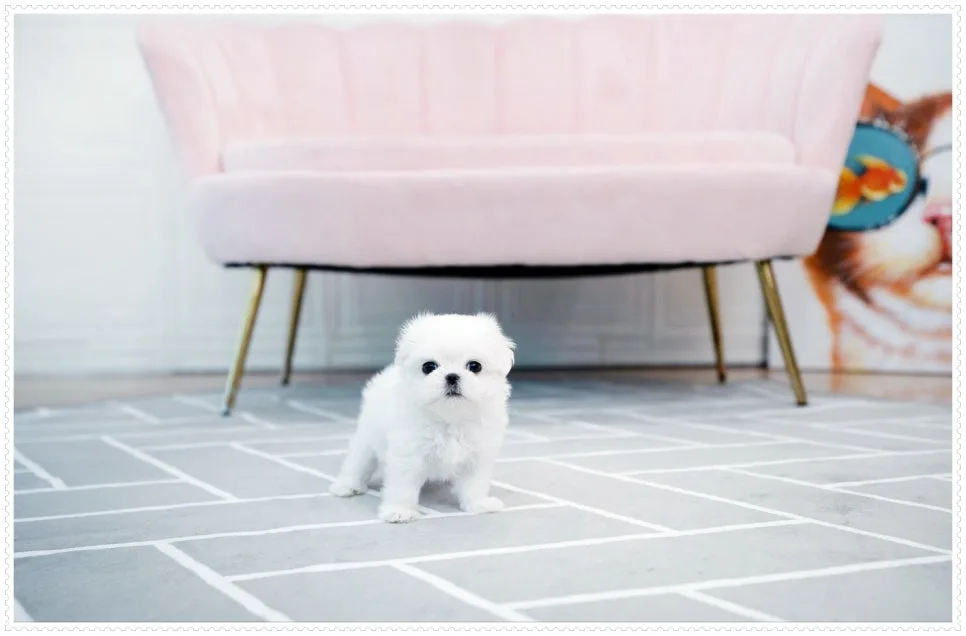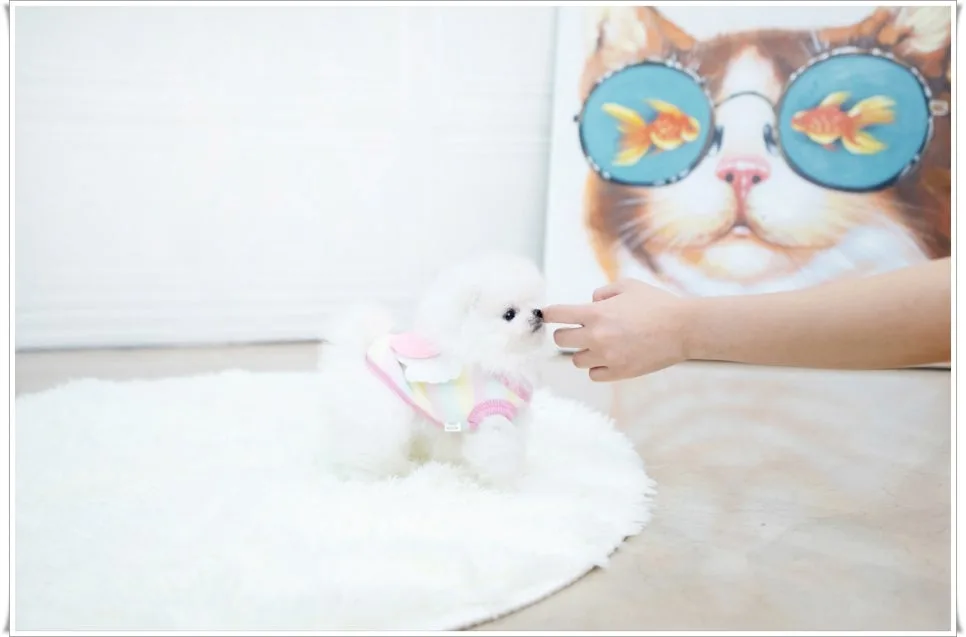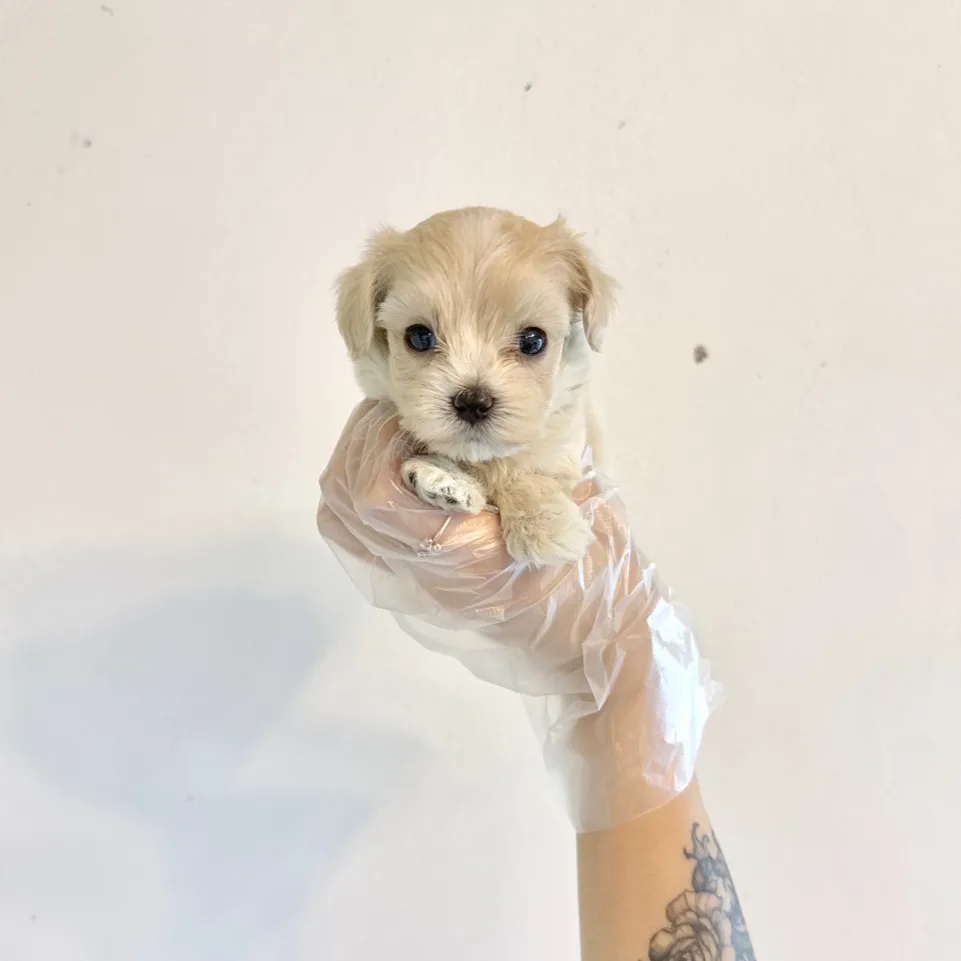
When considering adopting a Maltipoo in 2026, key factors include ensuring you have ample time for bonding and recognizing their potential for separation anxiety. Due to their small size, proactive management of joint and ear health is crucial. Understanding these needs upfront will help you provide a happy and healthy life for your new companion.
Maltipoo Adoption: What to Consider Before Bringing One Home?
Maltipoos are known for their highly social nature and strong desire to bond with their owners. This can sometimes lead to anxiety when left alone, making them prone to separation anxiety. If you live alone or have an unpredictable work schedule, carefully consider if a Maltipoo fits your lifestyle. Assess your realistic capacity for daily interaction and exercise, especially after a long day. While originally a cross between a Maltese and a Miniature Poodle, many breeders now favor crosses with Toy Poodles. However, smaller dogs can be more susceptible to health issues affecting joints, teeth, and airways. Prioritizing your dog's health over just their cute appearance is essential for a long and happy life together.
Common Maltipoo Health Issues and Prevention Strategies
Maltipoos are particularly prone to luxating patellas, a condition where the kneecap dislocates. It's estimated that up to 70% of adult Maltipoos may have this condition from birth, so early prevention is key. Providing ramps or non-slip mats can reduce stress on their joints. If you notice your dog limping or reacting defensively when their hindquarters are touched, seek immediate veterinary attention for diagnosis and treatment. Their floppy ears also make them susceptible to ear infections like otitis externa or media due to poor air circulation. Regular ear cleaning, at least twice a week, is vital. Pay extra attention to ear hygiene after baths and during humid weather. Thoroughly drying the ear canal with a cotton swab or clean cloth after washing is a must.
Training for Healthy Attachment and Independence
Maltipoos form strong bonds with their humans and can become overly dependent. A parenting style that involves constant coddling and fulfilling every demand can lead to unhealthy attachment. This can manifest as intense separation anxiety when you're away, resulting in behaviors like excessive barking, howling, refusal to eat, or even pica (eating non-food items). In severe cases, it can disrupt their sleep and lead to emotional problems. Therefore, fostering independence from a young age through consistent training is crucial for a healthy relationship. Maltipoos are also playful and curious, often using their mouths to explore and interact. If nipping is not addressed early, it can become a habit for seeking attention or expressing excitement as adults. It's important to teach them clear boundaries about what is acceptable. Due to their Maltese heritage, they can be sensitive to loud noises and unfamiliar stimuli, which can impact their sleep quality. Socialization to various sounds is essential to prevent excessive barking.
Choosing a Reputable Maltipoo Breeder: Key Criteria
To ensure you get a healthy and well-adjusted Maltipoo, selecting a professional breeder is paramount. Reputable breeders focus on the health and well-being of their dogs. They often house their puppies in clean, stimulating environments and ensure they receive adequate socialization from both their mother and littermates. Look for breeders who provide health clearances for the parent dogs, especially for common issues like luxating patellas and eye conditions. They should also be transparent about vaccination records and deworming schedules. A good breeder will ask you questions to ensure you're a suitable owner and will offer post-adoption support, including guidance on training and health. Be wary of breeders who cannot provide documentation of health tests or seem more interested in making a quick sale than ensuring a good match.
For more details on Maltipoo adoption, explore reputable breeder resources.