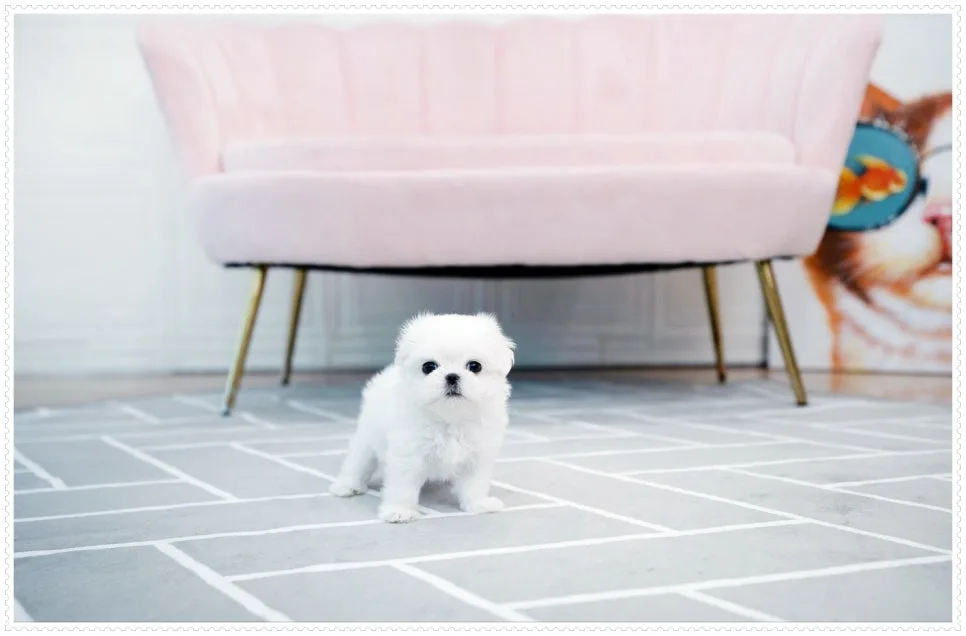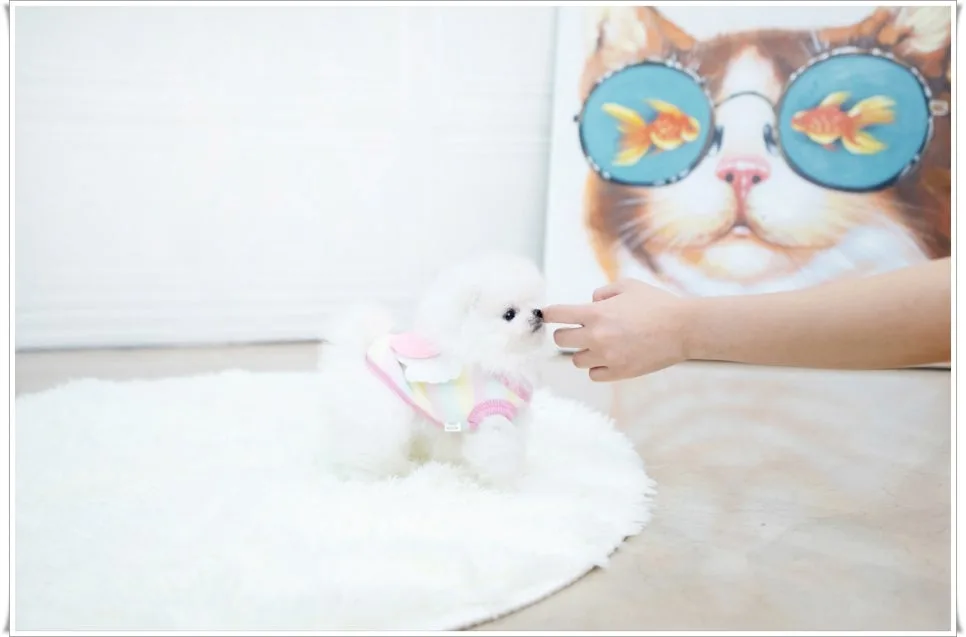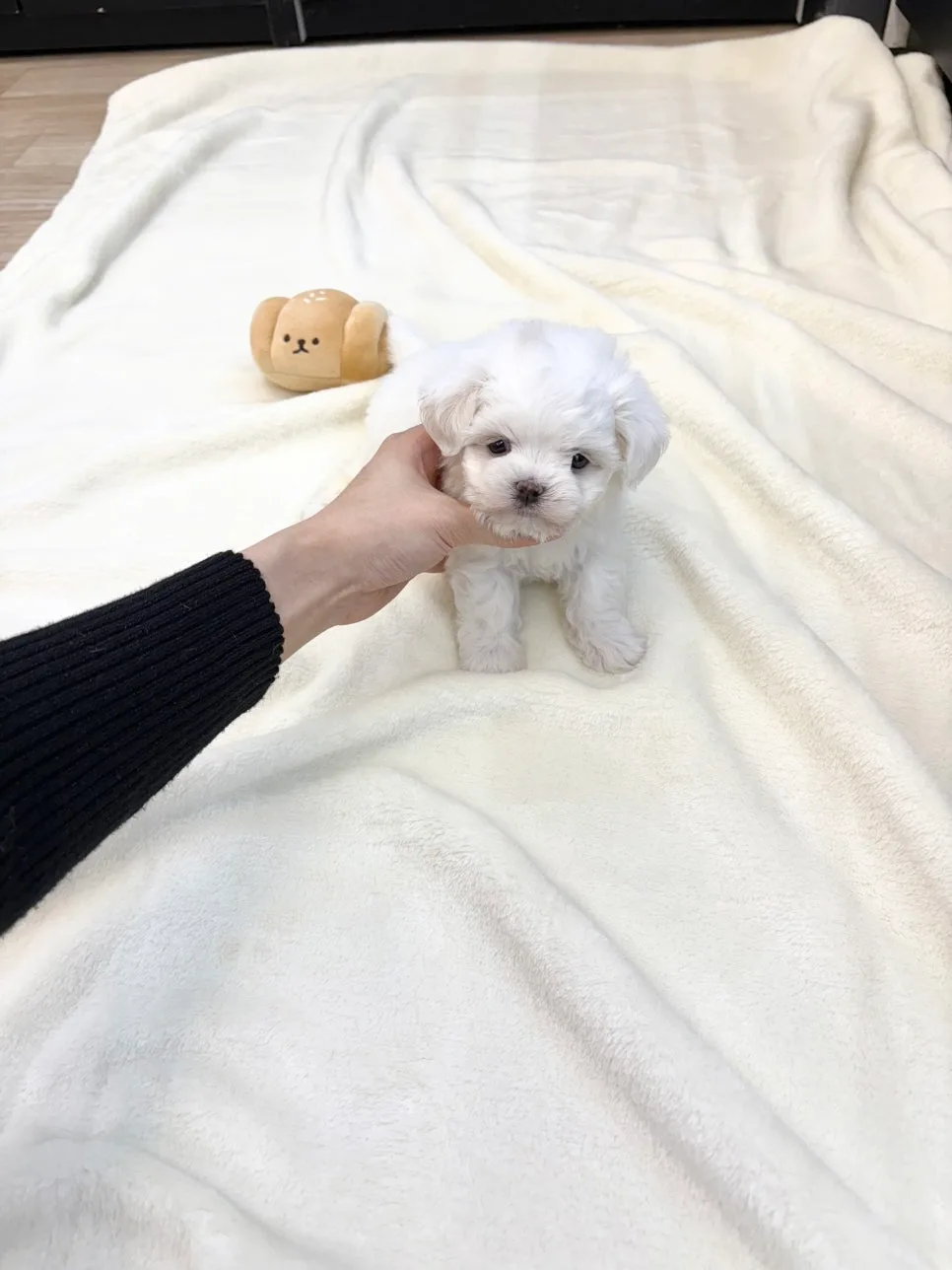
Considering a Maltipoo for your next furry family member? This guide breaks down everything you need to know about this popular hybrid breed in 2026, covering their unique traits, temperament, grooming needs, and how to find a healthy puppy from experienced breeders. Maltipoos blend the best of Maltese and Poodle, offering a charming companion for many American households.
What is a Maltipoo and What Are Its Characteristics?
The Maltipoo is a charming hybrid breed, a delightful cross between the Maltese and the Poodle. While not an officially recognized purebred, they've captured the hearts of many dog lovers for combining the Poodle's intelligence and low-shedding coat with the Maltese's small size and affectionate nature. The size of a Maltipoo can vary significantly, depending on the Poodle parent. If bred with a Toy Poodle, they typically remain small, weighing around 6-7 pounds (3 kg). However, if bred with a Miniature or Standard Poodle, they can grow larger, sometimes exceeding 20 pounds (10 kg). This size variation also influences their lifespan, with smaller Maltipoos generally living longer, around 14-16 years, while larger ones might have a lifespan of 12-14 years. These are averages, and individual health and longevity depend heavily on genetics, diet, exercise, and overall care provided by their owners.
What Are Maltipoo Shedding Habits and Grooming Needs?
Maltipoos are highly sought after due to their Poodle heritage, which results in minimal shedding. This makes them an excellent choice for individuals with allergies or those who prefer a cleaner home environment. However, their low-shedding coat is also a long-growing one, meaning regular grooming is essential. Plan for professional grooming appointments every 2-3 months to keep their coat tidy and prevent matting. Daily brushing is also crucial to detangle the fur and distribute natural oils, keeping their skin healthy and their coat looking its best. Neglecting daily brushing can lead to painful mats that may require shaving and can even cause skin irritation or infections. Consistent grooming not only keeps your Maltipoo looking good but also contributes significantly to their overall health and comfort.
What is a Maltipoo's Temperament and How Should They Be Socialized?
Maltipoos are known for their cheerful, energetic, and affectionate personalities. They often form strong bonds with their families and enjoy being involved in household activities. Their playful nature makes them great companions for families, but their intelligence also means they can be quite sensitive. Like many small breeds, Maltipoos can sometimes develop a tendency to nip or mouth during play, especially when they are puppies and still learning boundaries. It's important to redirect this behavior by offering appropriate chew toys or gently discouraging them from nipping at hands or feet. Early socialization is key to developing a well-adjusted dog. Exposing them to various sights, sounds, people, and other well-behaved dogs from a young age helps build their confidence and reduces the risk of developing anxiety or fear-based behaviors. Starting independence training around 8 months old can help prevent separation anxiety, which can manifest as excessive barking, destructive chewing, or house soiling when left alone. Incorporating plenty of playtime, walks, and puzzle toys can foster a sense of self-reliance.
How Can I Find a Healthy Maltipoo Puppy Safely?
When looking to adopt a Maltipoo, choosing a reputable breeder is paramount for ensuring you bring home a healthy and well-adjusted puppy. Look for breeders who prioritize the health and well-being of their dogs, maintaining clean and safe living conditions. It's essential to ask for proof of health clearances for both the parent dogs, including genetic testing for conditions common in Maltese and Poodles. Request documentation for vaccinations, deworming, and any health screenings performed on the puppy, such as tests for common genetic diseases like Progressive Retinal Atrophy (PRA) or Luxating Patella. A responsible breeder will be transparent about their dogs' health history and will be happy to answer all your questions. They should also offer a health guarantee and provide resources for post-adoption support. If possible, visit the breeder's facility to observe the environment and the puppies' interactions. If you're unsure, consulting with a veterinarian or a trusted breed club can provide valuable guidance in selecting a responsible breeder and a healthy puppy.
For more details, check the original source below.