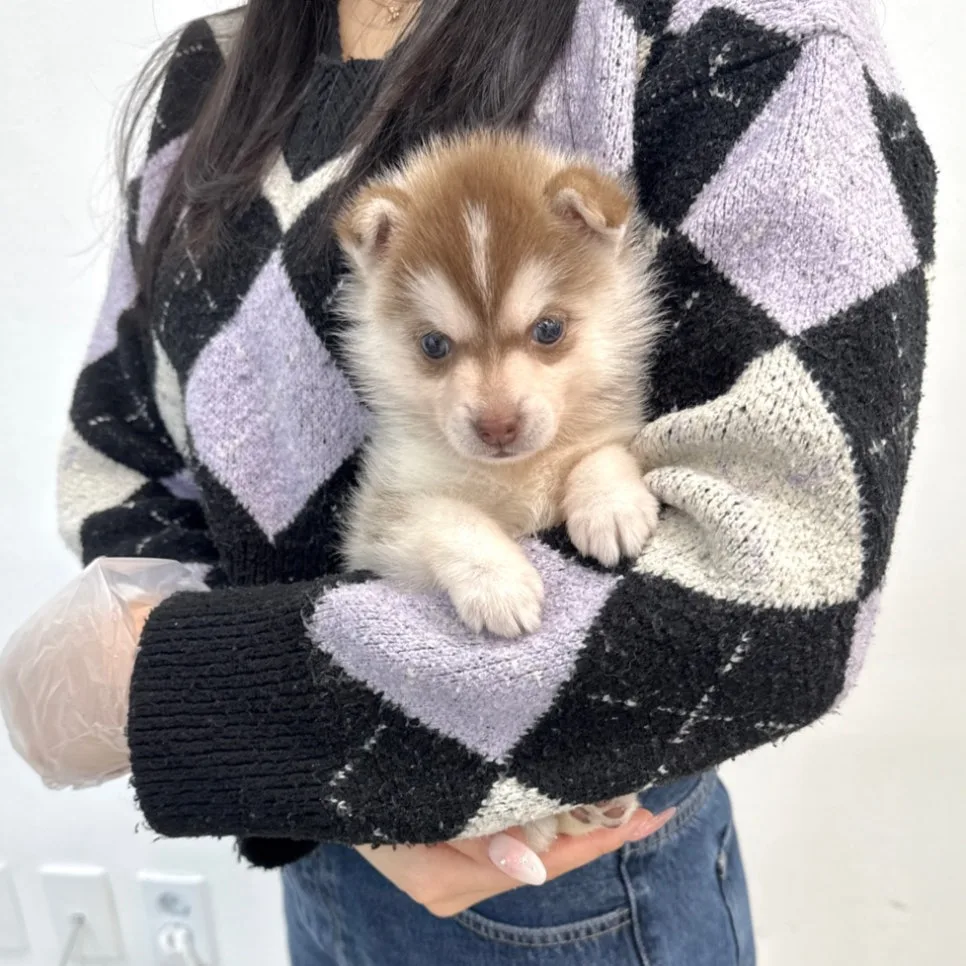
When considering a Fomski (Siberian Husky and Pomeranian mix) for adoption in 2026, understanding their unique traits is crucial. Fomskis are known for high energy levels, significant shedding, and a need for strong leadership training. This guide covers essential information for potential owners to ensure a happy and healthy life for their new companion.
What Are the Personality Traits of a Fomski?
The Fomski is a captivating breed blending the Siberian Husky's boundless energy with the Pomeranian's intelligence. Their Husky heritage means they require substantial physical activity, making them ideal for active households with ample space, like a large yard. For those living in apartments or with demanding work schedules, ensuring the Fomski gets enough exercise daily is paramount. Their dense double coat, adapted from their ancestors' cold-weather origins, leads to considerable shedding, especially during seasonal changes in spring and fall. Individuals with allergies or sensitivities to pet dander should carefully consider this trait before adoption.
When Should Fomski Socialization and Leash Training Begin?
Proper socialization and leash training are vital for a well-adjusted Fomski. After completing their initial vaccinations (around 3 months old), expose your Fomski puppy to various sights and sounds, such as cars, other animals, and new people, in short, controlled sessions. This helps them develop confidence and reduces fear-based reactivity. By 5-6 months, when their curiosity is at its peak and they've received their final puppy shots, you can begin more intensive training. Focus on teaching them to walk calmly beside you without pulling (known as 'heel' training) and managing their excitement levels, ensuring their curiosity doesn't turn into obsessive behaviors.
How to Address Fomski Barking and Leadership Training?
Due to their Husky lineage, Fomskis can exhibit strong leadership tendencies, sometimes stemming from their wolf-like instincts. It's essential to establish clear boundaries and consistent leadership from puppyhood. Behaviors like nipping, growling, or excessive possessiveness should be addressed with firm, consistent training. Recognizing your Fomski as the leader can lead to behavioral issues, so reinforcing your role as the pack leader is key. Fomskis also tend to communicate through barking and howling. In multi-unit dwellings, this can be a concern. Identifying the root cause of vocalization—whether it's demand barking, anxiety, or territoriality—is the first step toward implementing effective training to curb excessive noise.
What to Check for When Adopting a Healthy Fomski?
When adopting a Fomski, prioritize health and responsible breeding practices. Seek out reputable breeders who allow you to see the puppy with its mother and ensure the puppy has received proper socialization. Before finalizing adoption, verify that the puppy has undergone a health check-up, received its initial vaccinations (including for parvovirus, distemper, and adenovirus), and has been dewormed. Reputable breeders will provide documentation of these health records. Ongoing care involves regular veterinary check-ups, adherence to a vaccination schedule, and consistent training and socialization throughout the dog's life to ensure a well-behaved and healthy companion.
For more details, check the original source below.