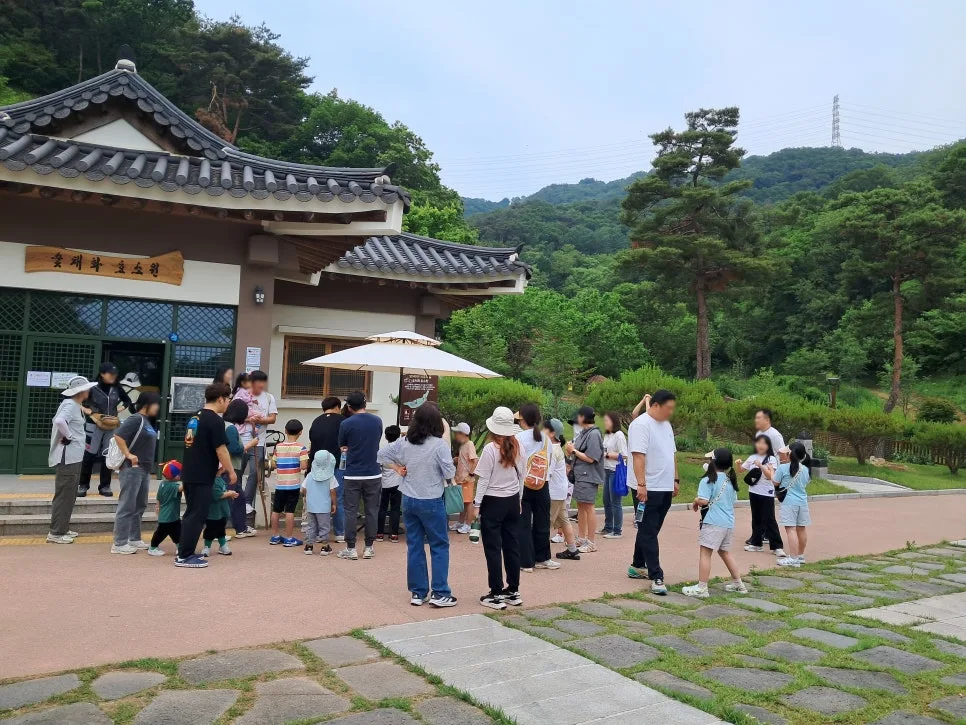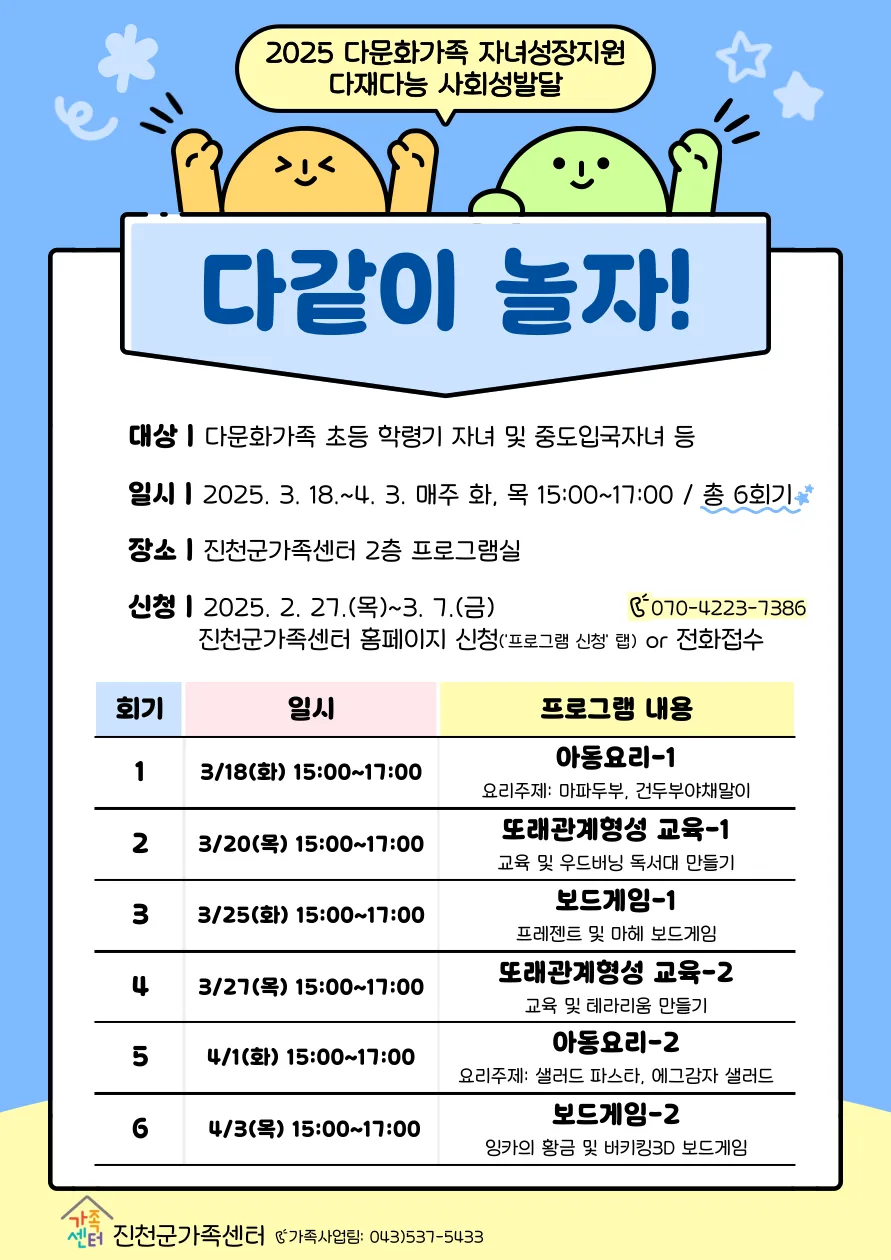
In Korea, a 6-week "Play Together!" social skills development program at the Jincheon County Family Center engaged children from multicultural families, fostering improved communication, cooperation, and self-esteem through activities like cooking and board games.
What is the 'Play Together!' Social Skills Program?
The 'Play Together!' program, part of the 'Versatile' initiative by the Jincheon County Family Center, is designed to support the healthy development and self-discovery of elementary-aged children from multicultural families and those who have recently immigrated to Korea. This specific 6-week program focuses intensely on social skills development. It aims to build camaraderie and cooperation among peers through positive interactions, fostering mutual respect. The program also broadens children's understanding of diverse cultures and boosts their confidence and sense of belonging, helping them visualize their future aspirations. Participants actively engaged in cooking, learning fair play through board games, and relationship-building workshops. These experiences are foundational for enhancing children's self-worth and nurturing them into well-adjusted members of society.
What Activities Are Included in the 'Play Together!' Program?
Related Articles
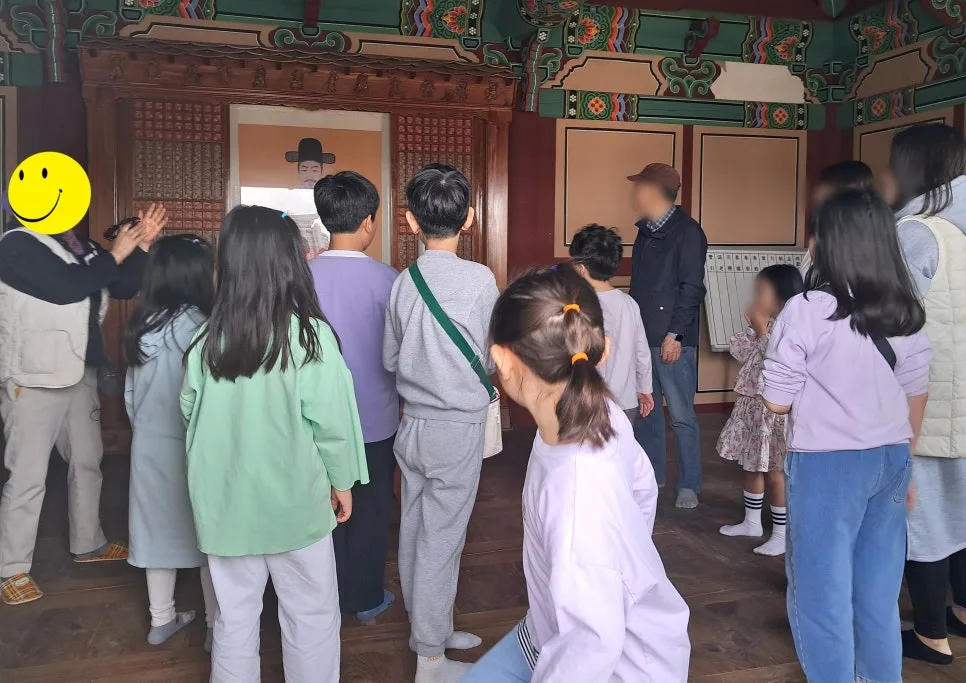
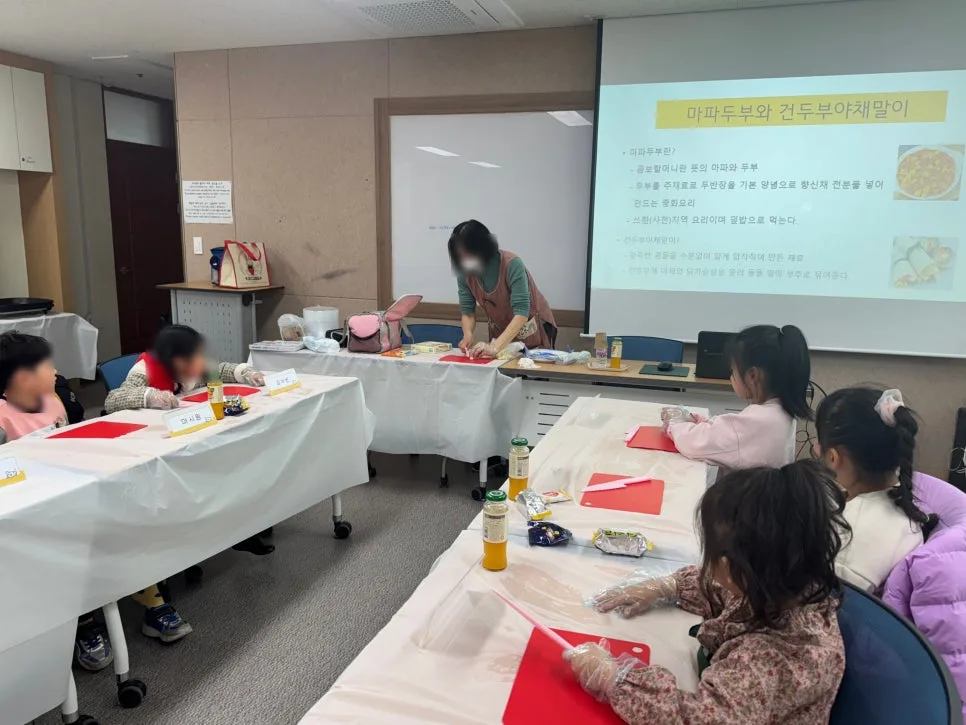
The 'Play Together!' program spanned six sessions, packed with diverse activities including children's cooking classes, board games, and peer relationship-building workshops. Sessions 1 and 5 featured culinary activities where children prepared and took home dishes like Mapo Tofu with Dried Tofu Rolls and Salad Pasta with Egg Potato Salad. Sessions 2 and 6 involved various board games such as 'The Present', 'Mahe', 'Inca Gold', and 'Bucky King 3D', teaching valuable lessons in fair play and sportsmanship. Sessions 3 and 4 focused on peer relationship development with topics like 'Introducing Myself and Friends,' 'Understanding Emotions Through Colors,' and 'Learning About Different Cultures.' These sessions were complemented by hands-on crafts like wood-burning custom bookstands and terrarium creation. These activities are thoughtfully designed to help children develop social skills in an enjoyable and engaging manner.
What Are the Expected Benefits of Participating in a Social Skills Development Program?
Children participating in the Jincheon County Family Center's 'Play Together!' social skills program can anticipate numerous positive outcomes. Firstly, collaborative activities with peers naturally enhance communication skills and foster conflict-resolution abilities. Secondly, shared experiences like cooking or playing games cultivate teamwork and consideration for others, promoting respect. Thirdly, the experience of making new friends and engaging in group activities boosts children's confidence and strengthens their sense of belonging. Fourthly, interacting with peers from diverse cultural backgrounds broadens their understanding of cultural diversity and encourages an inclusive attitude. These experiences serve as a vital foundation for healthy self-development and prepare children to become contributing members of future society. It is important to note that each child develops at their own pace and has unique personality traits, so individual outcomes may vary.
What Should Parents Consider Before Enrolling in a Social Skills Program?
When considering a social skills development program like 'Play Together!', parents should be aware of a few key points to ensure a smooth and beneficial experience for their child. It is crucial to verify that the program's age range aligns with your child's developmental stage. Program schedules may be subject to change, so staying informed about any updates is important. For cooking activities, providing information about any food allergies or dietary restrictions your child may have is essential for their safety. Furthermore, during competitive activities like board games, the facilitator's guidance in teaching the principles of fair play is vital. Understanding these aspects will help maximize the program's positive impact on your child's social and emotional growth.
For more details, check the original source below.