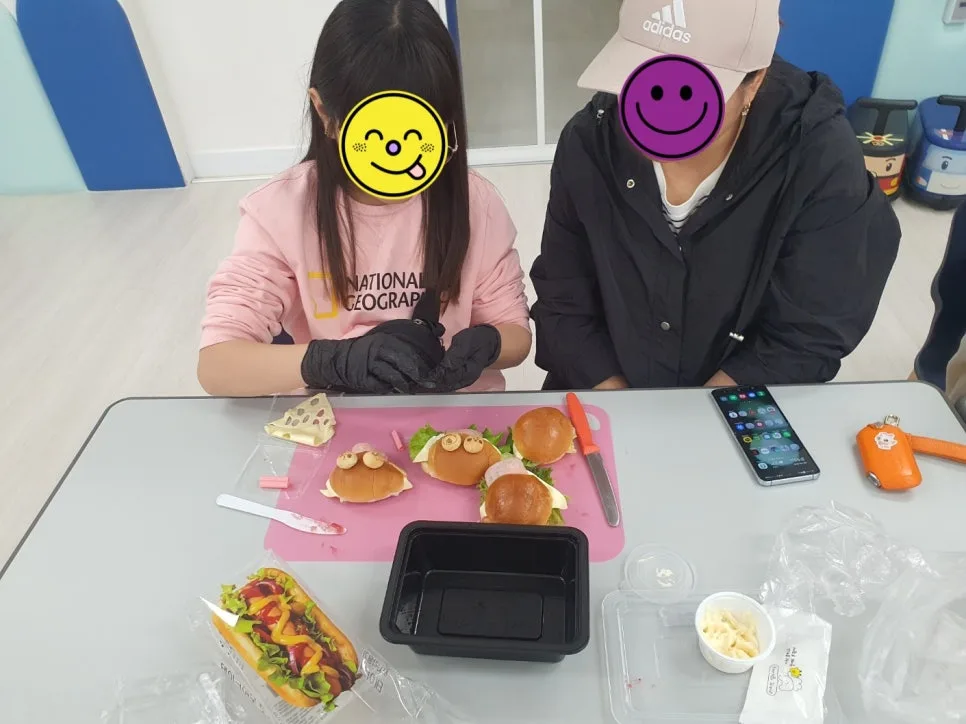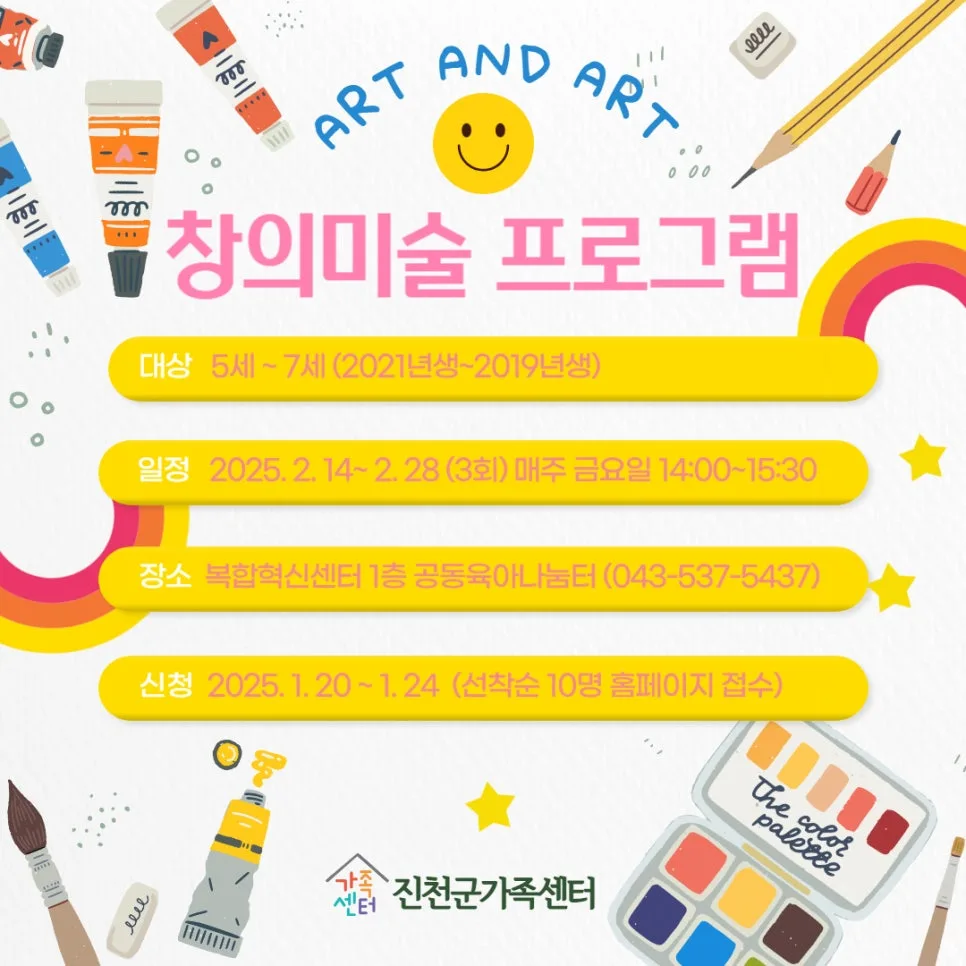
Korean parenting in 2026 is embracing innovative approaches like the joint childcare center's creative arts and financial literacy programs. These initiatives focus on nurturing children's imagination through art and building essential economic understanding, setting them up for future success. The programs aim to cultivate both creativity and a practical grasp of financial concepts, offering a well-rounded approach to early childhood development.
How Does Creative Art Education Spark Imagination in Korean Kids?
At the Jincheon-gun Family Center's joint childcare hub, children engage in a variety of art activities designed to unleash their inner creativity. Youngsters express their unique visions on canvas, bringing imagined worlds to life with vibrant colors. Activities like drawing trees and dinosaurs, and even sculpting with clay, go beyond simple artistic expression. These hands-on experiences not only enhance fine motor skills but also foster collaborative learning as children share their creations and ideas. This immersive environment encourages children to explore different mediums and discover the joy of bringing their imagination into tangible forms, building confidence along the way.
What Does Financial Education for Children Cover in Korea?
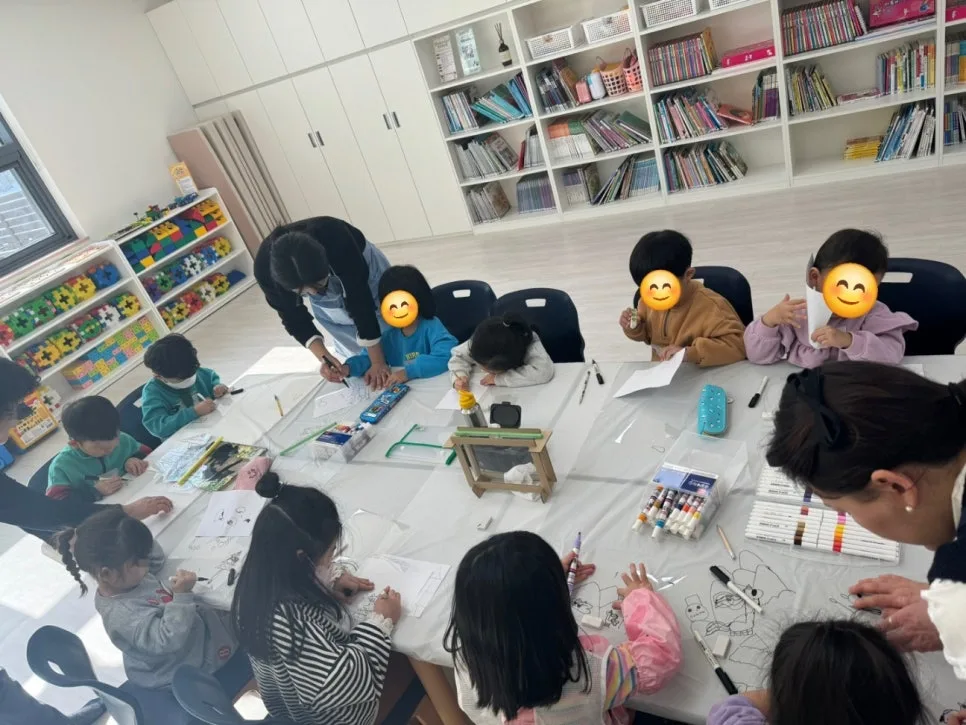
Korean financial education for kids focuses on making economic concepts accessible and engaging. Programs introduce the fundamental understanding of money, differentiating between various currencies from around the world to broaden their perspective. A key emphasis is placed on cultivating healthy spending habits, teaching children the difference between needs and wants, and the importance of thoughtful consumption. This foundational knowledge empowers children to manage their allowances wisely and develop a responsible approach to financial planning early on. Learning about the evolution of currency and exploring global money adds an exciting dimension to their economic literacy.
What Are the Key Benefits of Participating in Art and Finance Programs?
Engaging in creative arts and financial literacy programs offers a holistic boost to a child's development. Art education nurtures fine motor skills, enhances abstract thinking, and cultivates the confidence to express individuality. Simultaneously, financial education instills an understanding of the value of money, the significance of saving, and the principles of smart spending. This dual-focused approach equips children with vital skills for navigating the complexities of modern life. Furthermore, participating in joint childcare settings promotes crucial social development as children learn to interact and collaborate with their peers, building essential social competencies.
What Should Parents Consider When Choosing Joint Childcare Programs?
When selecting joint childcare programs in Korea, parents should prioritize a few key factors to ensure a beneficial experience for their child. First, it's crucial to verify that the curriculum is age-appropriate and aligns with the child's developmental stage; overly challenging or simplistic content can hinder engagement. Second, clearly defined educational objectives are essential. For art programs, this means looking beyond basic drawing skills to assess how well they stimulate imagination and self-expression. For financial education, the focus should be on how effectively fundamental economic concepts like saving and spending are conveyed. Lastly, ensuring a safe and nurturing environment where children feel comfortable interacting with educators and peers is paramount for their overall well-being and learning.
For more details, check the original source below.