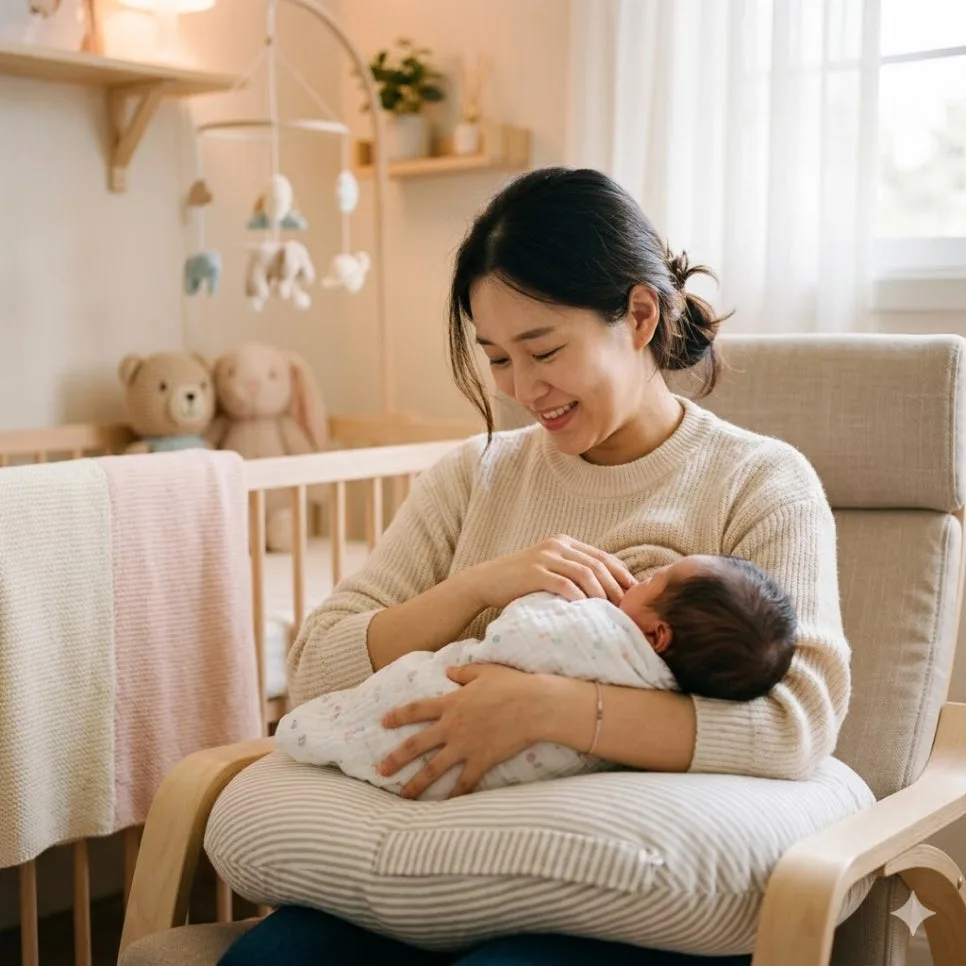
The 2026 Jincheon Community Childcare Sharing Center's 'Bremen Music Class with Mom' program, designed for children born in 2021-2022 and their parents, focuses on fostering emotional connection and stress relief through music and interactive activities. This program offers a unique approach to early childhood development within the Korean parenting framework.
What is the 'Bremen Music Class with Mom' 2026 Program?
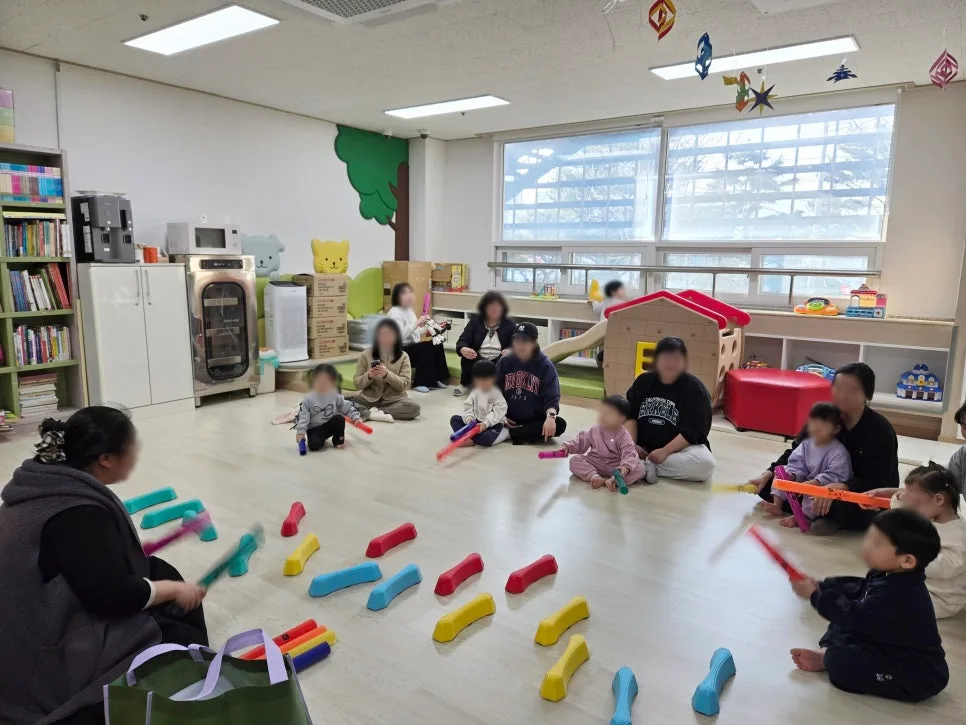
The Jincheon Community Childcare Sharing Center's 'Bremen Music Class with Mom' program, held from March to May 2026, was a weekly music and play session for toddlers and their parents. Specifically targeting families with children born between 2021 and 2022, this program welcomed five families per session. The core of the class involved engaging with rhythm instruments and participating in physical activities synchronized with music. Beyond simple musical engagement, the program emphasized creating a shared emotional experience between parents and children, aiming to strengthen their bond and enhance emotional stability. The activities were carefully designed to be fun and beneficial for stress reduction in young children, aligning with modern Korean parenting philosophies that value holistic development.
How Does Music Enhance Sensory Development and Expression?
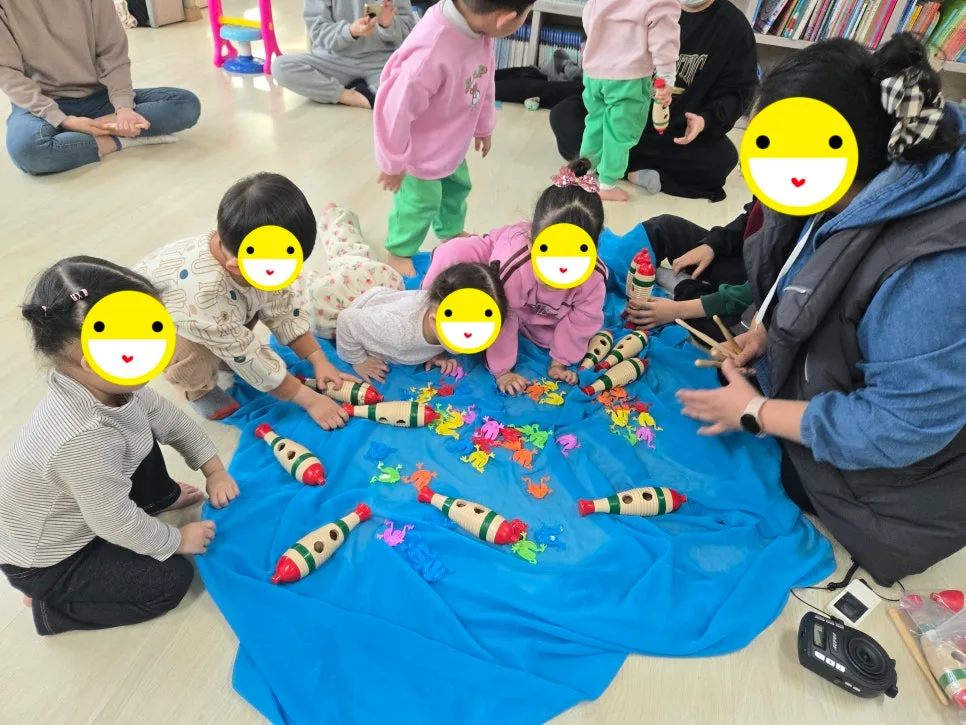
This program utilized a variety of musical activities to stimulate a child's senses and encourage creative expression. Children explored classical music, engaging with melodies and rhythms that foster auditory development. Interactive elements like scarf dancing encouraged gross motor skills and spatial awareness, while activities using tissue paper allowed for tactile exploration and imaginative play. These sensory experiences are crucial for cognitive development in early childhood. By participating alongside their parents, children not only develop musicality and creativity but also build confidence and a sense of security. The program's structure encourages parents to actively participate, making it a valuable bonding experience that supports the child's overall growth and emotional well-being, reflecting the emphasis on parent-child interaction in Korean childcare.
What are the Benefits of Korean Parenting Programs like This?
Korean parenting programs, such as the 'Bremen Music Class,' offer significant benefits by integrating play-based learning with emotional development. These programs often emphasize a strong parent-child connection, which is a cornerstone of Korean childcare philosophy. For parents, these classes provide a supportive community where they can share experiences and challenges with other parents, reducing feelings of isolation. The structured activities help parents understand their child's developmental stages and provide tools for engagement. In Korea, there's a growing trend towards 'Gongdong Yuk-a' (공동육아), or shared childcare, where community centers play a vital role in offering resources and programs like this. This approach fosters a sense of collective responsibility and support for families, moving beyond the traditional 'Tiger Mom' stereotype to a more balanced, nurturing style that prioritizes emotional health alongside academic or skill development.
Key Considerations for Participating in Community Childcare Programs
When considering programs like the 'Bremen Music Class,' it's important to be aware of specific participation guidelines. Programs often have age restrictions, like the 2021-2022 birth year target, to ensure activities are age-appropriate and beneficial for the intended developmental stage. Consistent attendance is encouraged to maximize the benefits for both the child and the group dynamic. If a family cannot attend, providing advance notice to the center is crucial, as these programs often have limited spots and waiting lists. Following safety instructions during activities is paramount to ensure a secure environment for all children and parents. These considerations reflect the organized and community-oriented nature of Korean childcare support systems, aiming for a positive and effective experience for everyone involved.
For more details, check the original source below.