Hermann Hesse's profound analysis of the 'youthful, beautiful instability' found in Schumann's music is updated for 2026. This exploration delves into why Schumann's signature energetic and unpredictable rhythms evoke the passionate intensity of youth, as seen through Hesse's insightful perspective.
What is the 'Wind' in Schumann's Music, According to Hesse?
Hermann Hesse famously compared Schumann's music to a constantly blowing wind, describing it as ever-changing and unpredictable, yet never heavy. This wind, he suggested, creates a playful, almost dance-like movement, akin to sand and leaves swirling on a bright, breezy day. Schumann's compositions feel like a charming companion for adventure, a playful friend brimming with ideas—sometimes chatty, sometimes urging you to dance. The fluttering, rustling rhythms evoke a sense of freedom and exhilaration, capturing the vibrant energy of youth.
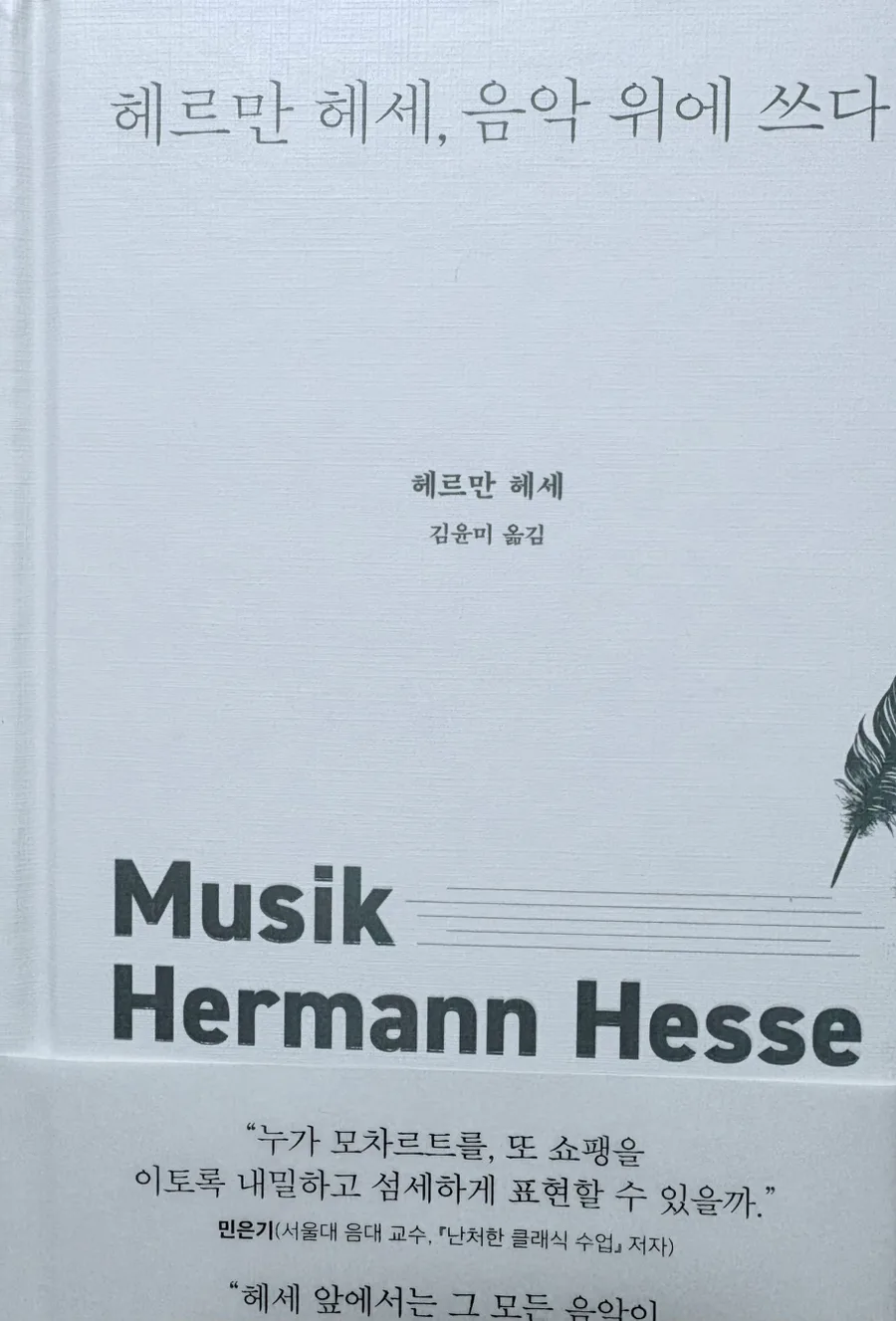
Hesse interpreted these dynamic qualities as the 'passion of youth,' revealing the complex emotional currents within the music.
Why is Schumann's Musical 'Instability' So Captivating?
One of the most compelling aspects of Schumann's music is its inherent 'instability.' Hesse observed that Schumann's work often lacks a sense of 'home' or stable grounding, much like restless youth. This creates a complex emotional landscape, shifting from petulant moods to tender affection, leaving a deep impression on the listener. Hesse acknowledged Schumann's tragic end, marked by depression and mental turmoil, and highlighted how this personal struggle paradoxically enhances the music's captivating, paradoxical beauty. The intricate layers and sometimes sentimental nature of his compositions contribute to their profound richness and depth.
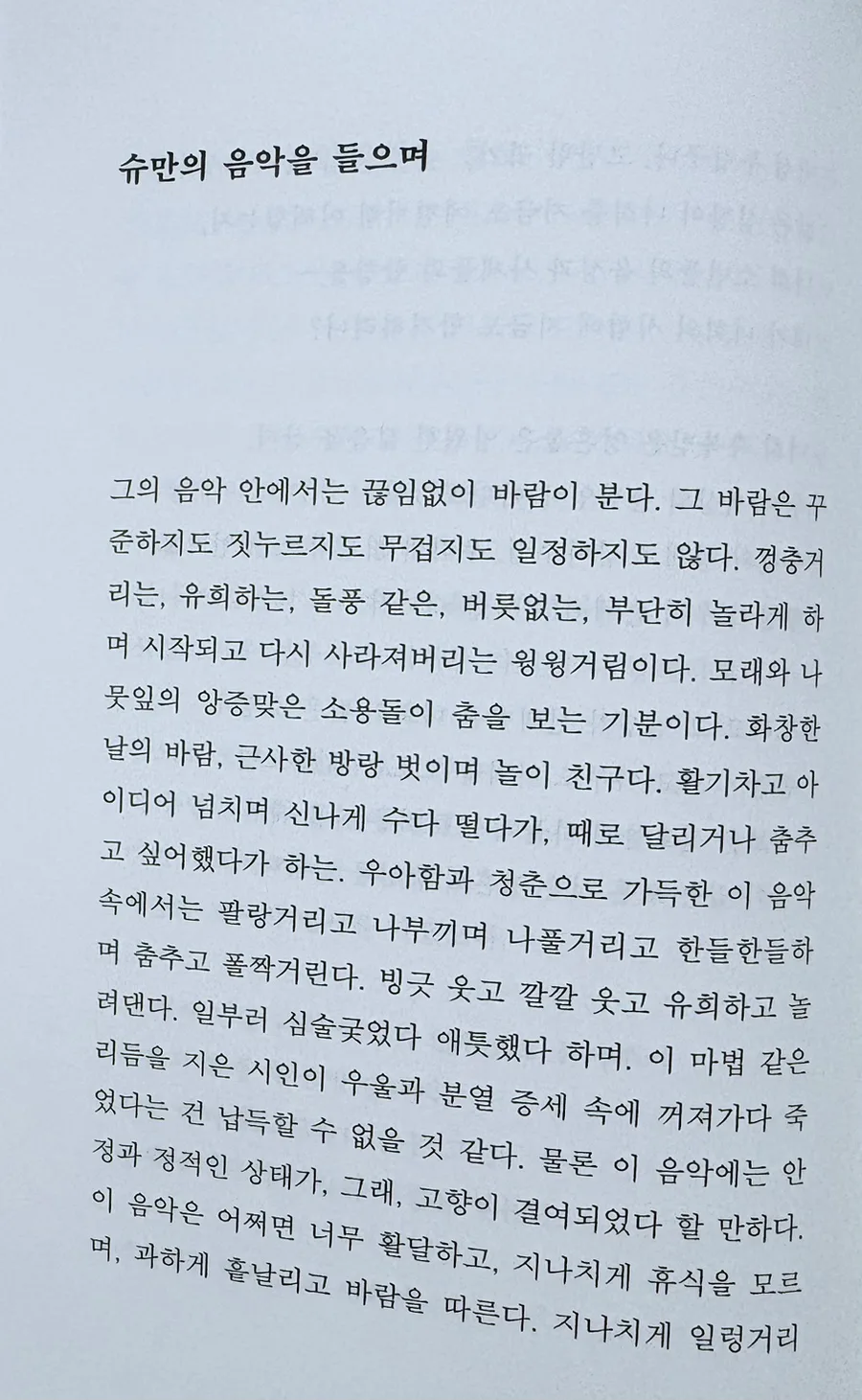
This contrast between 'health' and 'illness' in Schumann's music mirrors the juxtaposition of youth and old age found in the works of Clemens Brentano, adding another layer of resonance.
What is the Connection Between Schumann's Music and Clemens Brentano?
Hermann Hesse further enriched his analysis by drawing parallels between Schumann's music and the literary world of the German Romantic poet Clemens Brentano. Brentano, celebrated for his poetic genius across various domains, provided Hesse with a framework to understand the depth of Schumann's compositions. Hesse noted the 'abyss' in Brentano's work, contrasting the youthful exuberance of his early writings with the profound gravitas of his later years. He likened this to the gap between the 'healthy music' of Schumann and the 'ailing life' he experienced. This comparison underscores that Schumann's music transcends mere lightness and energy, delving into the complex spectrum of human emotions and inner life, offering profound insights and moving experiences, much like Brentano's poetry.
What Should You Consider When Listening to Schumann's Music?
While the dynamic and often unpredictable rhythms of Schumann's music offer a refreshing listening experience, a few considerations can enhance your appreciation. As Hesse pointed out, Schumann's compositions can sometimes feel overly energetic, lacking moments of repose. Therefore, it's beneficial to follow the music's emotional arc while also taking brief pauses to absorb its message. Understanding Schumann's life and struggles can deepen your appreciation for the complexity and richness embedded in his work. Since personal interpretations of Schumann's music can vary widely, exploring a diverse range of his pieces is key to developing your own unique understanding. While expert analyses are valuable, allowing yourself to feel the music authentically is the most rewarding way to connect with Schumann's genius.
For more details, check the original source below.