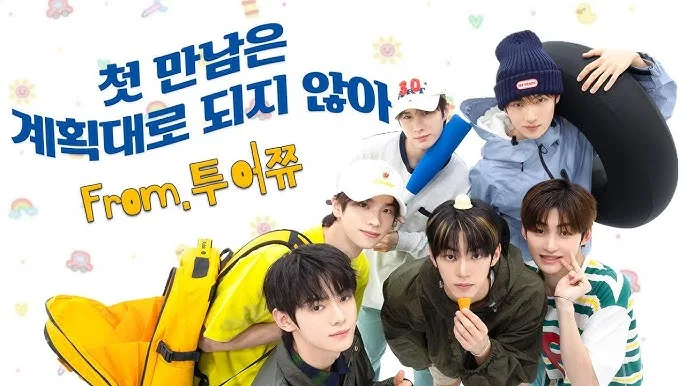
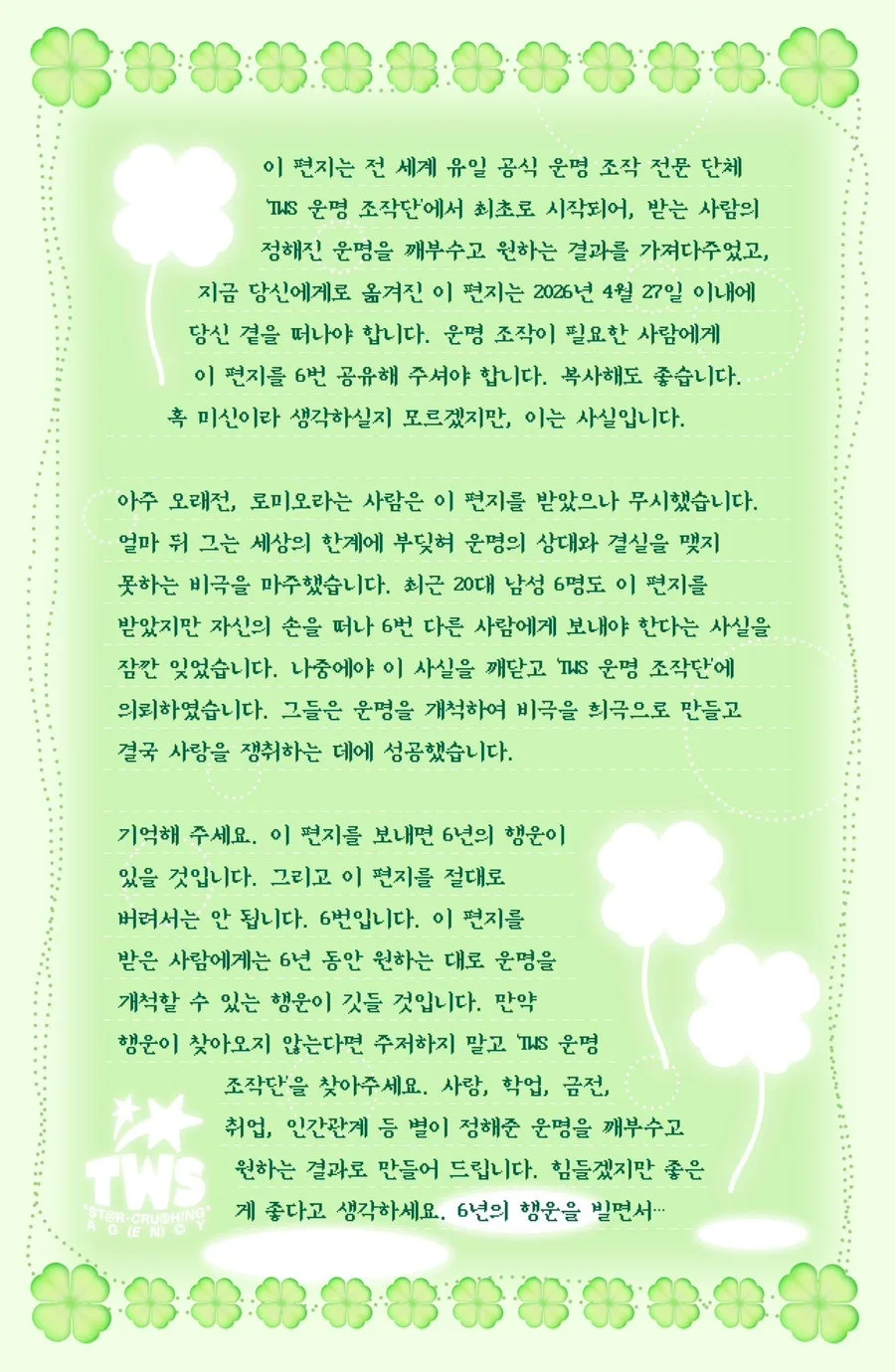
TWS's 'Lucky Letter' promotion is a prime example of successful 2026 marketing, blending analog charm with digital engagement to drive fan participation and viral sharing. This campaign cleverly reinterprets the 19th-century 'lucky letter' format for a modern K-pop audience, encouraging fans to share the letter six times by April 27, 2026, drawing them into the group's narrative.
- The TWS 'Lucky Letter' promotion uses a 19th-century format adapted for 2026 digital engagement.
- It encourages fans to share the letter six times to drive viral marketing.
- The campaign aims to immerse fans in the group's universe and promote positive messages.
Based on the original Korean blog post and linked source page, translated and summarized by BackToLink for global discovery.
What Makes TWS's 'Lucky Letter' Campaign a 2026 Retro Marketing Hit?
TWS's 'Lucky Letter' promotion, launched ahead of their comeback, has generated significant buzz by offering fans a unique experience beyond typical marketing. The campaign establishes a fictional entity, the 'TWS Fate Manipulators,' and reimagines the classic lucky letter format, asking recipients to share it six times. Fans are actively participating, turning it into a social media game that aligns perfectly with TWS's hopeful message. The clever use of '247%' in email subject lines, referencing the group's name (Twenty-Four Seven), reinforces brand consistency. Notably, the campaign reframes the historically negative connotations of lucky letters into a positive '6 Years of Luck' message, reducing potential fan apprehension.
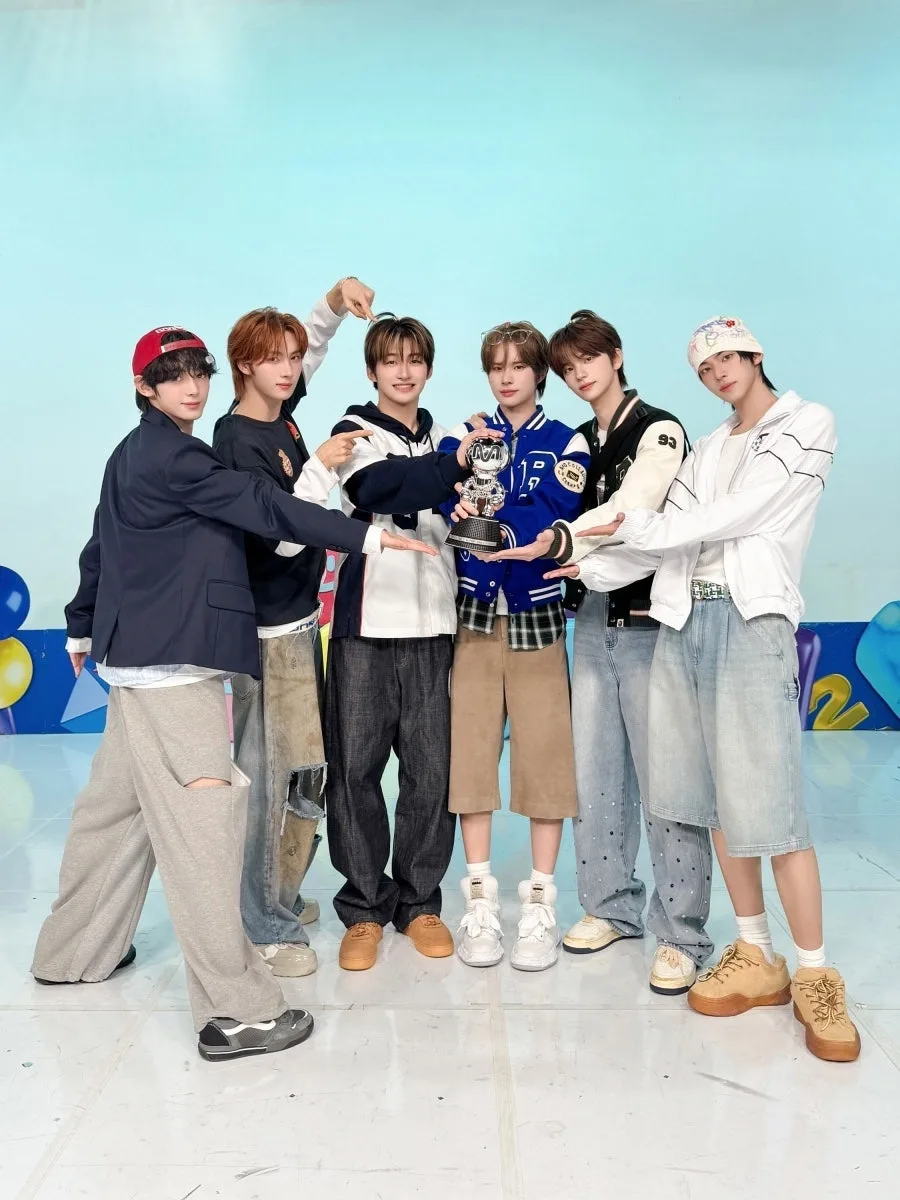
From 19th Century England to 2026 K-Pop: The Evolution of the Lucky Letter
Originally originating in the late 19th century in Britain and the US, lucky letters carried superstitious weight, warning of bad luck if not passed on. In Korea, they became a popular chain letter phenomenon among students in the 1970s and 80s, symbolizing analog communication. TWS has masterfully adapted this historical concept for the 2026 digital landscape, transforming it into an interactive content piece that encourages fan engagement and sharing. The inclusion of scenarios detailing what happens if the letter is ignored cleverly mirrors the original narrative structure while adding a touch of humor that appeals to fans. The narrative about six young men forging their destiny to achieve love subtly hints at the six members of TWS, naturally integrating the group's identity.
What Psychological Strategies Drive Fan Engagement in the TWS 'Lucky Letter' Campaign?
This promotion transcends mere advertising by employing sophisticated psychological tactics to foster organic virality and make fans feel like integral parts of the group's universe. The core theme of 'forging destiny' is strategically designed to resonate with future song lyrics and music video narratives, creating a cohesive storyline. The campaign's relatable approach, mentioning modern concerns like academics, finances, and employment as 'elements to manipulate,' makes it highly accessible to fans. In an era of information overload, the scarcity and analog format of the message act as a powerful hook, capturing consumer attention. This demonstrates how K-pop promotions are evolving into sophisticated narrative art forms, not just information delivery.
Are There Any Considerations for the TWS 'Lucky Letter' Promotion?
While the TWS 'Lucky Letter' promotion effectively engages fans and encourages positive participation, there are a few points to consider. Historically, lucky letters often instilled fear by emphasizing misfortune, but TWS has successfully pivoted this to a positive '6 Years of Luck' message, minimizing negative reactions. However, the analog chain letter format might still feel unfamiliar or daunting to some fans in the digital age. Furthermore, the campaign's success heavily relies on fan participation, meaning engagement levels may vary across the fanbase. Future similar promotions could benefit from strategies that cater to a wider range of fan preferences and ensure inclusivity. Open communication with fans is crucial to mitigate any potential misunderstandings, acknowledging that individual interpretations and circumstances can differ regarding participation.
Discover more details about the TWS Lucky Letter promotion in the original source.