
AI music generators like SUNO and UDIO allow anyone to easily create their own original songs without complex technical knowledge. As of 2026, these tools are unlocking new possibilities for music creation, making it accessible to a global audience.
Why Are AI Music Generators Gaining Traction in 2026?
The rapid advancements in AI technology have now extended into the realm of music creation. Tools such as SUNO and UDIO are dramatically lowering the barrier to entry for music production, enabling anyone to translate their creative ideas into music without needing professional equipment or extensive theoretical knowledge. In practice, YouTube creators, advertisers, and game developers are leveraging these tools to save time and money while producing unique background music and soundtracks. From a personal perspective, I've found these AI tools inject fresh energy into creative pursuits and add a vibrant dimension to everyday life. In 2026, AI music generators are solidifying their position not just as technology, but as essential tools for creative expression.
How Do SUNO and UDIO Actually Work?
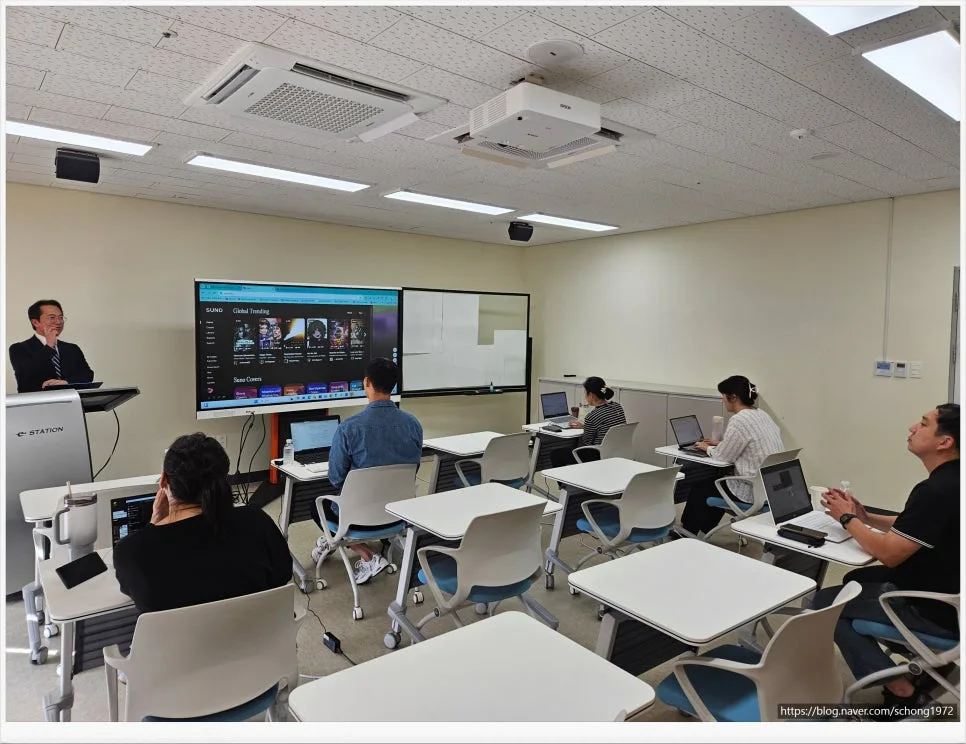
SUNO and UDIO operate on cutting-edge AI principles. SUNO utilizes deep learning algorithms to analyze vast amounts of musical data, generating music based on user prompts for specific genres or moods. For instance, inputting a prompt like 'upbeat K-pop' allows the AI to analyze and create a fitting melody and rhythm. UDIO, on the other hand, excels at generating highly personalized and unique music using GANs (Generative Adversarial Networks). This technology empowers even music novices to easily express their imagination through sound. Professionals can also benefit by using these tools to flesh out ideas and boost their workflow efficiency. As of 2026, these tools are producing astonishing results with increasingly sophisticated algorithms.
SUNO vs. UDIO: A Comparative Analysis of Pros and Cons
Both SUNO and UDIO share the common advantage of enabling users to create professional-sounding music while saving significant time and cost. By having the AI handle complex composition processes, the hurdle to music creation is lowered, allowing anyone to freely explore their creative ideas. However, a potential drawback is that AI-generated music can sometimes sound repetitive or produce unexpected results, which might be a limitation for creators seeking highly original and experimental sounds. Nevertheless, both platforms are continuously updating their features and offering more editing options to address these limitations. We can anticipate even more satisfying outcomes from these tools in 2026.
Tips for Maximizing Your AI Music Generator Usage
Here are a few tips to get the most out of SUNO and UDIO. First, crafting detailed prompts that specify the desired mood, genre, and instrumentation is crucial. For example, entering 'a warm, acoustic ballad with piano and guitar focus' will increase the likelihood of achieving satisfactory results. Second, rather than using AI-generated output as-is, consider editing it or mixing it with other audio to add your personal touch. This helps reduce the mechanical feel often associated with AI and results in a more unique musical piece. Third, don't hesitate to experiment with various styles and genres to explore the full potential of the AI. As of 2026, these tools are capable of producing results beyond imagination.
Frequently Asked Questions About AI Music Generators (FAQ)
Here's a compilation of common questions from users regarding AI music generators. We hope this helps clear up any doubts you may have about using these tools.
For more details, check the original source below.