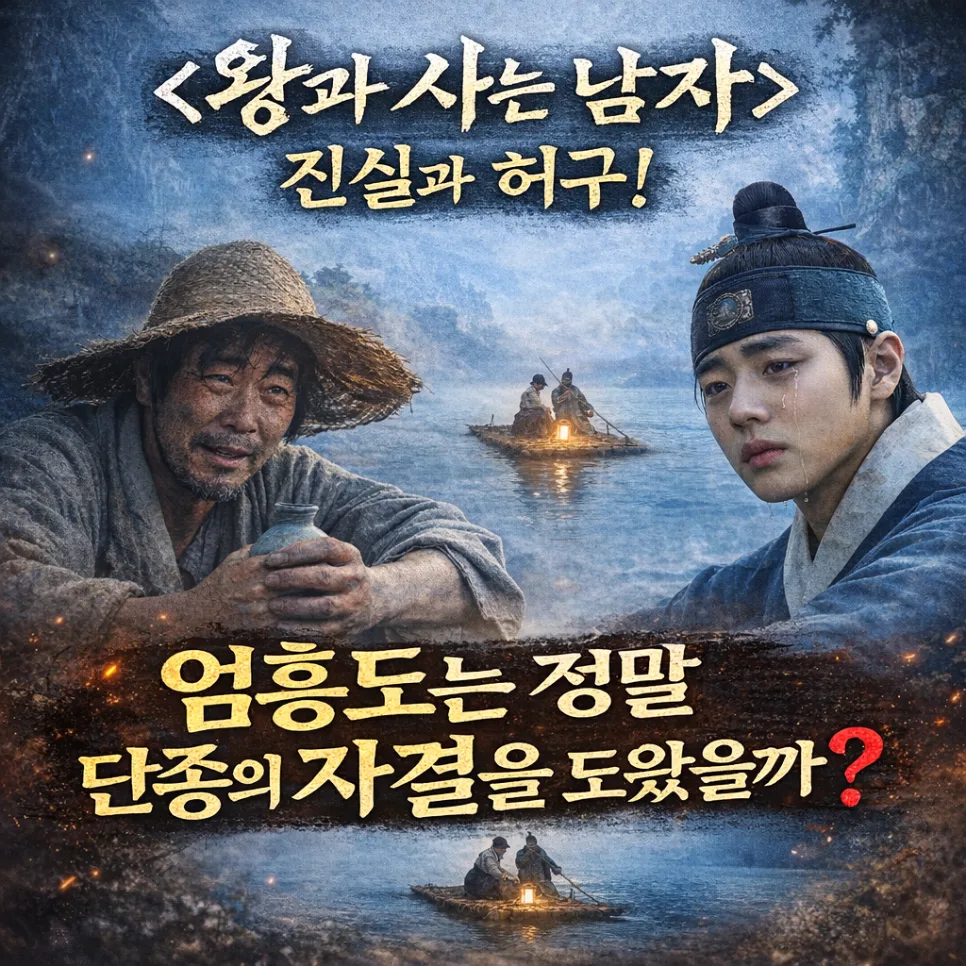
The film 'The King and the Clown' (왕과 사는 남자) is a fictionalized account of historical events surrounding King Danjong. While the character Eom Hong-do was a real historical figure who respectfully handled Danjong's remains, the close bond depicted in the movie is largely a product of cinematic imagination. Historical records suggest Danjong's death was more likely a murder than a suicide, a point of ongoing debate among historians.
Was the relationship between Eom Hong-do and Danjong in 'The King and the Clown' real?
The movie 'The King and the Clown' delves into the tragic life of Korea's sixth monarch, King Danjong, and the people around him, captivating audiences with its emotional depth. A central element is the relationship between Danjong and Eom Hong-do, a village elder played by Yoo Hae-jin, who becomes a pivotal figure in the king's final days. In the film, Eom Hong-do is portrayed as a loyal companion, forming a deep emotional bond with Danjong and assisting him until his very end. Historically, Eom Hong-do was indeed a real person, a local official (Hojang) in Yeongwol, known for his loyalty in ensuring Danjong received a proper burial despite a royal decree threatening severe punishment for anyone who dared to do so. However, concrete historical records detailing the daily interactions and deep emotional connection depicted in the movie between Danjong and Eom Hong-do during his exile are scarce. Therefore, the intimate relationship shown is largely considered a creative embellishment for dramatic effect. While Eom Hong-do's loyalty is historically recognized, the film's portrayal of their bond is a fictionalized element designed to enhance the narrative.
Was King Danjong's death a suicide or a murder?
The film 'The King and the Clown' presents Danjong's death as a tragic conclusion, hinting at either a self-inflicted end or one facilitated by those around him. This ambiguity mirrors the historical uncertainty surrounding his demise. The 'Annals of King Sejo' (세조실록), the official historical record from the reign of his uncle, King Sejo, states that Danjong committed suicide upon hearing of the failed rebellion led by his cousin, Prince Geumseong. However, many historians question the veracity of this account, suggesting it might have been manipulated to legitimize Sejo's usurpation of the throne. Alternative theories and accounts from later periods, including the reign of King Sukjong, and various historical anecdotes, suggest Danjong was forced to take poison or was strangled by officials. These accounts lend significant weight to the possibility of murder. Consequently, the exact cause of King Danjong's death remains a subject of ongoing historical debate and speculation.
How is Prince Geumseong's rebellion depicted?

In 'The King and the Clown,' Prince Geumseong's attempt to restore Danjong to the throne is dramatized with considerable tension and scale, significantly heightening the film's suspense. The movie suggests a clandestine exchange of letters between Prince Geumseong and Danjong, leading to the mobilization of a large force. Historical records confirm that Prince Geumseong did indeed attempt to rally support for Danjong's restoration in Sunheung, where he was in exile. He gathered forces and planned an uprising, but unfortunately, his plot was discovered just before it could be executed, leading to its failure. The film builds upon this historical fact, but it amplifies the scale and dramatic progression of events to create a more compelling cinematic experience, reflecting the turbulent political climate of the era and the desperation of the loyalists.
Why does Danjong's tragedy still resonate today?
King Danjong's tragic fate transcends a mere historical footnote; it serves as a powerful commentary on the nature of power and justice. The story of a young king, possessing legitimate succession, being overthrown by his power-hungry uncle and meeting a grim end, serves as a stark reminder of the corrupting influence of unchecked ambition and the dangers of violence rationalized for political gain. 'The King and the Clown,' by focusing on the tragedy through the eyes of ordinary people like Eom Hong-do, prompts reflection on individual dignity and the essential human values of courtesy and respect, even in the face of overwhelming power. These universal themes continue to resonate with audiences across generations, explaining why Danjong's story remains a subject of fascination and discussion. The film uses historical events and character relationships to deliver a profound message about the enduring human spirit and the importance of moral integrity.
For more details, check the original source below.