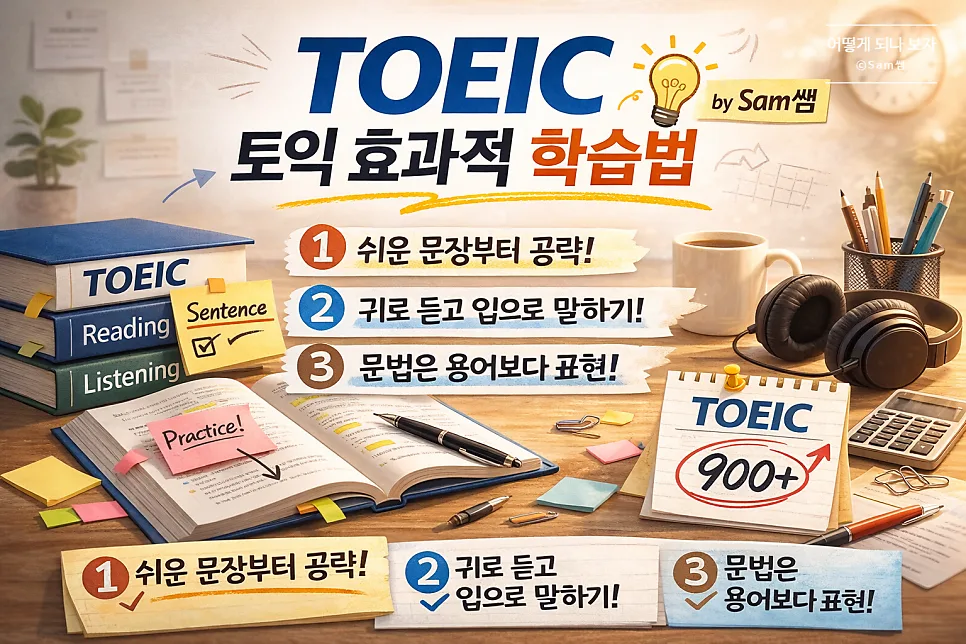
The TOEIC (Test of English for International Communication) is highly accessible in Korea, boasting abundant study materials and a relatively low exam fee. While it focuses solely on Listening and Reading, allowing for quicker score improvements up to intermediate levels, relying on strategies like 'guessing' can actually hinder genuine skill development. To truly boost both your TOEIC score and overall English proficiency, focus on mastering sentences and practicing reading aloud.
Why Understanding the TOEIC Exam in 2026 is Crucial
Since the late 1990s, TOEIC has been the go-to English proficiency test for adults in Korea. Its accessibility is a major draw, with a wealth of study resources readily available and a comparatively affordable exam fee. Because it only assesses Listening and Reading skills, many find it easier to achieve intermediate to upper-intermediate scores relatively quickly compared to tests that include speaking and writing components. I've personally seen many individuals leverage TOEIC score improvements for career advancement, including job changes and promotions. However, this accessibility can also inadvertently encourage less effective study habits. Strategies like 'guessing' (찍기) might seem to offer short-term score gains, but they can ultimately impede long-term English skill development.
The Biggest TOEIC Pitfall: Why You Must Avoid 'Guessing Strategies'
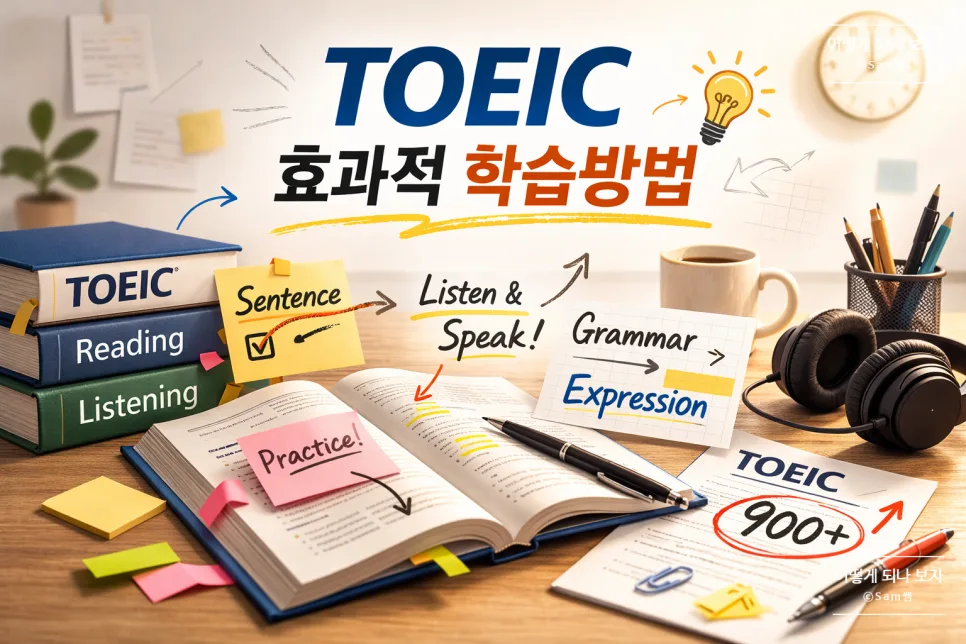
One of the most common traps for new TOEIC learners is the 'guessing strategy' (찍기 전략). This involves picking an answer based on a few keywords or grammatical patterns without fully understanding the sentence. While this might provide a small boost to scores in the 600-700 range, it hits a ceiling when aiming for higher scores. Relying on guesswork without comprehending sentence structure and meaning leads to stagnation and ultimately wastes valuable study time. I've observed countless students struggle to break through plateaus precisely because they depended on these superficial methods. True English proficiency and high scores necessitate accurate comprehension of each sentence.
Effective Methods to Improve Both TOEIC Scores and English Skills
The key to simultaneously improving your TOEIC score and practical English ability lies in mastering sentences on a granular level. Start with the easiest sentences from questions you got wrong. Don't just memorize vocabulary; understand the entire sentence structure and how words are used in context. For instance, instead of just learning 'schedule' means 'appointment,' study sentences like 'The meeting has been rescheduled to Friday.' This approach helps you grasp grammatical concepts like the present perfect tense and passive voice naturally. Remember, English comprehension and reading speed improve proportionally to what you understand and can pronounce. Integrate listening, speaking, and reading by consistently reading RC passages aloud. This practice significantly enhances comprehension and reading fluency.
Common Mistakes and What to Watch Out For in TOEIC Study
Many learners make the mistake of memorizing grammar terms without understanding their practical application. For example, simply recalling 'noun clause' or 'adjective clause' is less effective than seeing how these structures function within actual sentences. Grammar should be viewed as a tool for understanding and constructing sentences, not just a set of rules to memorize. Therefore, focus on how grammar is used in context rather than rote memorization of terminology. It's also crucial to avoid a disconnect between your TOEIC score and your actual English ability. Focusing solely on test-taking tactics can lead to a high score that doesn't reflect real-world communication skills. To achieve both high scores and genuine improvement, tailor your study plan to your current level and consistently practice with a focus on sentence comprehension and application.
For more details, check the original source below.





