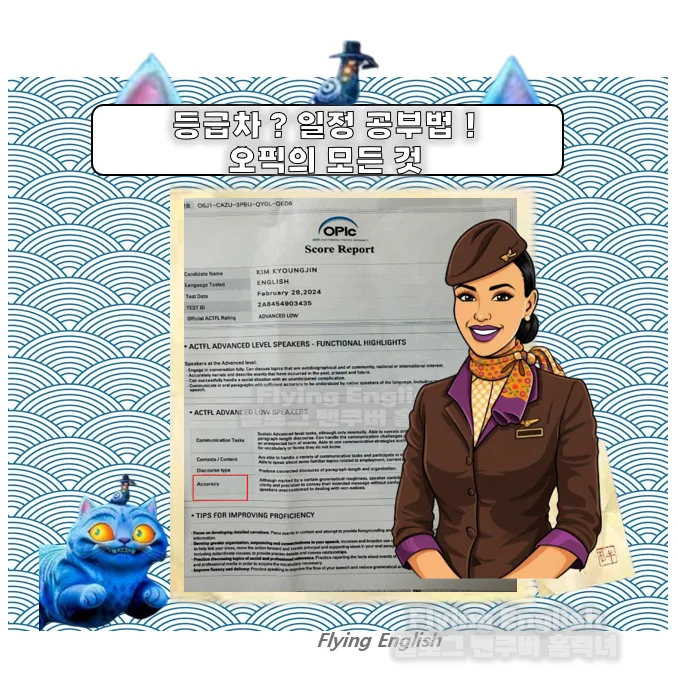
Curious about the difference between OPIc IH and AL levels? This 2026 guide breaks down the key distinctions and provides actionable strategies for achieving a high score. Understanding these nuances is crucial for anyone aiming to prove their English speaking proficiency for career or academic advancement.
Why OPIc Matters and the IH vs. AL Gap
In today's competitive job market, many US companies prioritize English speaking ability for hiring, promotions, and job placement. This has boosted the importance of standardized speaking tests like OPIc. OPIc assesses everyday English conversation skills, aiming to evaluate proficiency at a near-native level. Many learners target the IH (Intermediate High) or AL (Advanced Low) bands. However, the gap between IH and AL is significant, representing a real difference in speaking capabilities. Mastering this distinction is key to reaching your target score. US-based evaluators often focus on how naturally and richly you express yourself, rather than just grammatical accuracy. Therefore, the primary differentiator between IH and AL is 'fluency' – your ability to speak continuously, use diverse vocabulary and expressions, and logically expand on your thoughts.
OPIc Exam Schedule and Retake Policy
One of OPIc's advantages is its frequent testing schedule, with exams often available daily. This flexibility is a major plus for those needing to secure a score quickly. However, OPIc enforces a 25-day waiting period after your test results are released before you can retake the exam. Fortunately, a 'Waiver' option allows you to retake the test once within this 25-day period. This waiver is reset every 150 days, so it's essential to factor this into your retake strategy. This flexible scheduling allows you to prepare thoroughly and take the test when you feel most confident, maximizing your chances of achieving your desired score.
OPIc Proficiency Levels: The Real Difference Between IH and AL
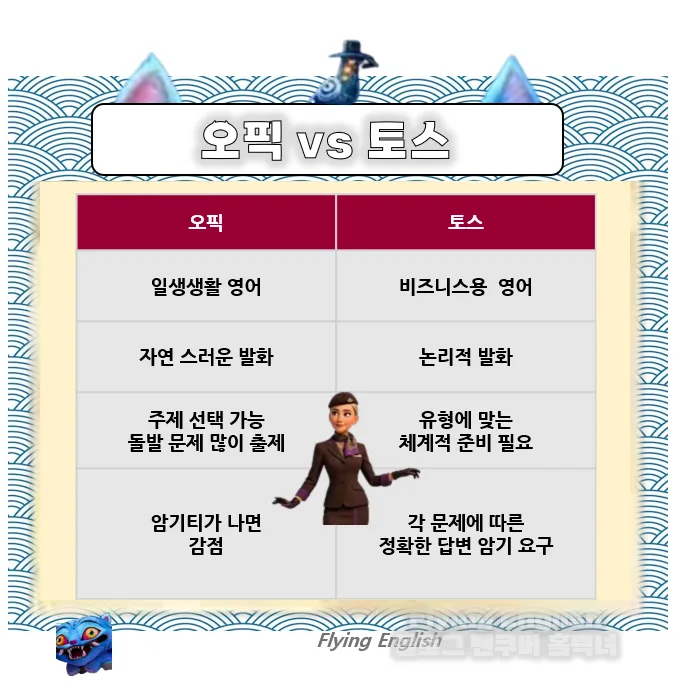
The OPIc proficiency scale ranges from NL (Novice Low) to AL (Advanced Low), with seven distinct levels. The most commonly pursued bands are NH, IL, IM, IH, and AL, with higher bands indicating greater fluency. Increasingly, companies across various sectors are requiring IH or higher for their candidates, and the scoring criteria are becoming more stringent. The critical factors distinguishing IH and AL are 'fluency' and 'expressive range.' An AL candidate should be able to converse naturally and extensively, using a wide vocabulary and complex sentence structures to elaborate on their thoughts, much like a native speaker. An IH speaker demonstrates good fluency but may lack the depth and variety of expression found at the AL level. For instance, when discussing a topic, an AL speaker might weave in multiple related experiences or examples to expand their narrative, whereas an IH speaker might stick closer to the core points.
Effective Strategies for Achieving a High OPIc Score
Simply memorizing scripts won't guarantee a high OPIc score. If your practiced responses overlap with common phrases found in study materials or online videos, you might receive a lower score than expected. It's crucial to prepare for unexpected questions and develop your ability to respond spontaneously. Real exam scenarios can present unforeseen questions, making the practice of expressing your thoughts impromptu across various topics essential. Additionally, familiarizing yourself with the preferred expressions, pronunciation, and intonation patterns favored by North American raters can significantly boost your score. Developing a personalized study plan based on feedback that identifies your strengths and weaknesses is the most effective approach to reaching your target OPIc band.
For more detailed OPIc learning strategies, check the original source below.





