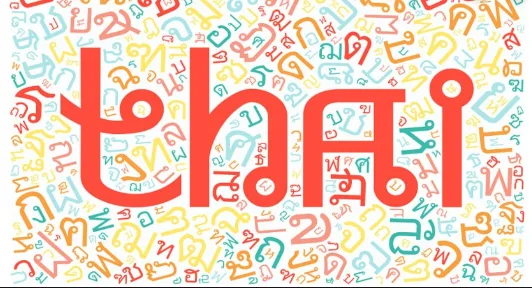
Mastering the Thai language in 2026 is achievable through 1:1 personalized lessons with native speakers, especially those with extensive experience living in Korea. These instructors can bridge communication gaps with fluent Korean, significantly boosting learning efficiency for pronunciation, tones, and cultural nuances.
Why Are Thai Script and Tones So Challenging? 2026 Learning Strategies
Thai features a complex writing system with 44 consonants and 21 vowels, which can be overwhelming for beginners. The pronunciation of consonants often dictates the tone, leading to confusion. Influenced by Buddhist culture, Thai incorporates words from ancient languages like Pali and Sanskrit, resulting in multiple characters with similar sounds. This makes listening and transcription difficult. The tonal system itself is more intricate than Mandarin, with five distinct tones, plus distinctions between short and long vowels and silent letters, making accurate pronunciation a significant hurdle. Relying solely on textbook learning may lead to difficulties in real-life communication with native speakers.
What Are the Benefits of 1:1 Personalized Thai Lessons for Effective Learning?

Considering the challenges of learning Thai, 1:1 personalized lessons offer the most effective solution. These lessons tailor the curriculum to your individual learning pace, goals (travel, business, immigration), and time constraints. For instance, if you have an upcoming trip to Thailand, you can focus on conversational skills for rapid improvement. Those preparing for investment or business in Thailand can delve into specialized business vocabulary. Crucially, direct interaction with a native speaker allows you to naturally acquire correct pronunciation, intonation, and cultural nuances, which is a significant advantage over self-study.
How Should You Prepare for the Thai Language Proficiency Test (T.L.P.)?
For learners aiming to pass the Thai Language Proficiency Test (T.L.P.), structured grammar study and practice tests are essential. The exam typically assesses listening, reading, and writing skills, with a strong emphasis on accurate pronunciation and tones. A 1:1 lesson format allows instructors to identify and focus on your weak areas, providing targeted coaching. For example, you can practice frequently missed listening exercises or correct recurring grammatical errors in writing. Native instructors with years of experience living in Korea and fluent Korean can effectively share test-taking strategies and tips, saving you time and effort. Learning from experienced instructors with over a decade of professional teaching experience is a direct path to improving your chances of passing the exam.
How Can Busy Professionals Manage Thai Language Learning with Flexible Scheduling?
A flexible scheduling system is crucial for individuals with busy daily lives, whether they are working professionals or students. A self-scheduling system allows you to coordinate with your dedicated instructor to book lessons at times that suit you, from early mornings to late nights, even on holidays. This prevents time constraints from becoming a barrier to learning Thai. If you need to rapidly improve your skills, you can increase lesson frequency and duration for intensive study. Conversely, during less busy periods, you can adjust your learning plan with your instructor to include cultural insights and other topics. This personalized learning environment is key to maintaining motivation and building consistent progress.
English crawl path
Next English reads from this pilot cluster
Continue through the category hub, latest English stories, and related posts so this translated article is not an isolated URL.
Tags
💬Frequently Asked Questions
What should I check first in Master Thai Language in 2026: Conquer Script & Tones?
Does this Language Learning article link back to the Korean source?
Where can I find similar English stories?
English discovery path
Explore more English K-culture stories
Keep browsing the indexed English pilot cluster so Google and readers can move between this story, the category hub, and fresh discovery pages.
Original Source
Read the Korean original





