Master the English alphabet from A to Z with this comprehensive 2026 guide, covering order, writing, and pronunciation. Discover effective learning methods, including alphabet songs and card games, making it easy and fun for beginners of all ages.
Why Learning the Alphabet is Crucial for English Mastery
The journey to mastering English begins not with complex words or sentences, but with the fundamental building blocks: the alphabet. Properly learning the alphabet significantly boosts reading, writing, and pronunciation skills, forming the essential foundation for understanding word meanings and using dictionaries effectively. Many learners struggle later on because they overlooked this crucial first step. In fact, a common reason for losing interest in English is neglecting the alphabet. Therefore, a thorough and systematic approach to learning the alphabet is key to long-term English proficiency and success.
Understanding the Alphabet's Basic Structure and Order
The English alphabet consists of 26 letters, each with both uppercase and lowercase forms. Uppercase letters are written as A, B, C... Z, while lowercase letters are a, b, c... z. These 26 letters are further categorized into vowels and consonants. The five vowels – A, E, I, O, U – are crucial for creating sounds and connecting words. The remaining 21 letters are consonants, which play a vital role in forming word structures. Understanding the distinction between vowels and consonants helps in grasping pronunciation principles. For instance, in the word 'cat,' 'c' and 't' are consonants that define the word's shape, while 'a' is the vowel that bridges the sounds. Grasping this fundamental structure is the first step in alphabet learning.
Fun and Effective Ways to Memorize the Alphabet Order
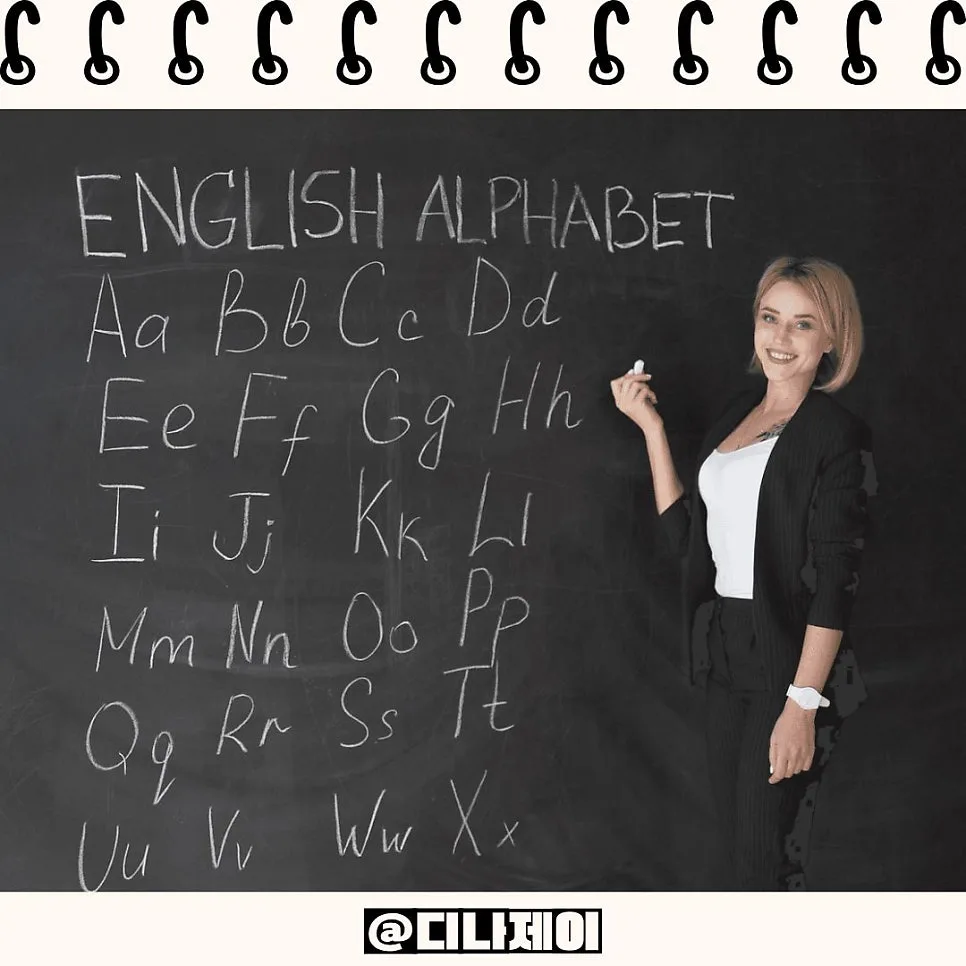
For learners, especially children, making alphabet memorization 'fun' is paramount. One highly effective method is using 'alphabet songs.' Singing along to familiar tunes helps embed the letter sequence naturally. Another engaging technique involves 'using flashcards.' Mixing up the 26 alphabet cards and having learners arrange them in the correct order significantly aids memory retention. Thirdly, 'connect-the-dots' activities or alphabet puzzles are excellent for building focus and learning simultaneously. These play-based approaches ensure that learning the alphabet is an enjoyable experience rather than a chore.
Effective Techniques for Practicing Alphabet Writing
When practicing alphabet writing, the method is more important than just the quantity of writing. Start with 'tracing.' Using worksheets with dotted lines allows learners to accurately copy letter shapes and practice writing them smoothly. Secondly, 'writing while saying the letter aloud' reinforces learning. For example, saying 'A' while writing it adds an auditory cue, enhancing memory recall. Thirdly, 'consistent daily practice' is crucial. Short, daily sessions of 5-10 minutes are far more effective for long-term memory formation than infrequent, lengthy study periods. This consistent repetition solidifies alphabet writing skills.
What's the Best Order for Teaching Uppercase vs. Lowercase Letters?
Typically, it's most effective to teach children 'uppercase' letters first, followed by 'lowercase' letters. Uppercase letters generally have simpler and more distinct shapes, making them easier for young learners to recognize. After mastering uppercase letters, introducing lowercase letters and highlighting their differences from their uppercase counterparts helps children grasp the varied forms more quickly and accurately. For example, comparing the relationship between uppercase 'A' and lowercase 'a,' or 'B' and 'b,' helps reduce confusion and boosts learning efficiency.
For more details, check the original source below.





