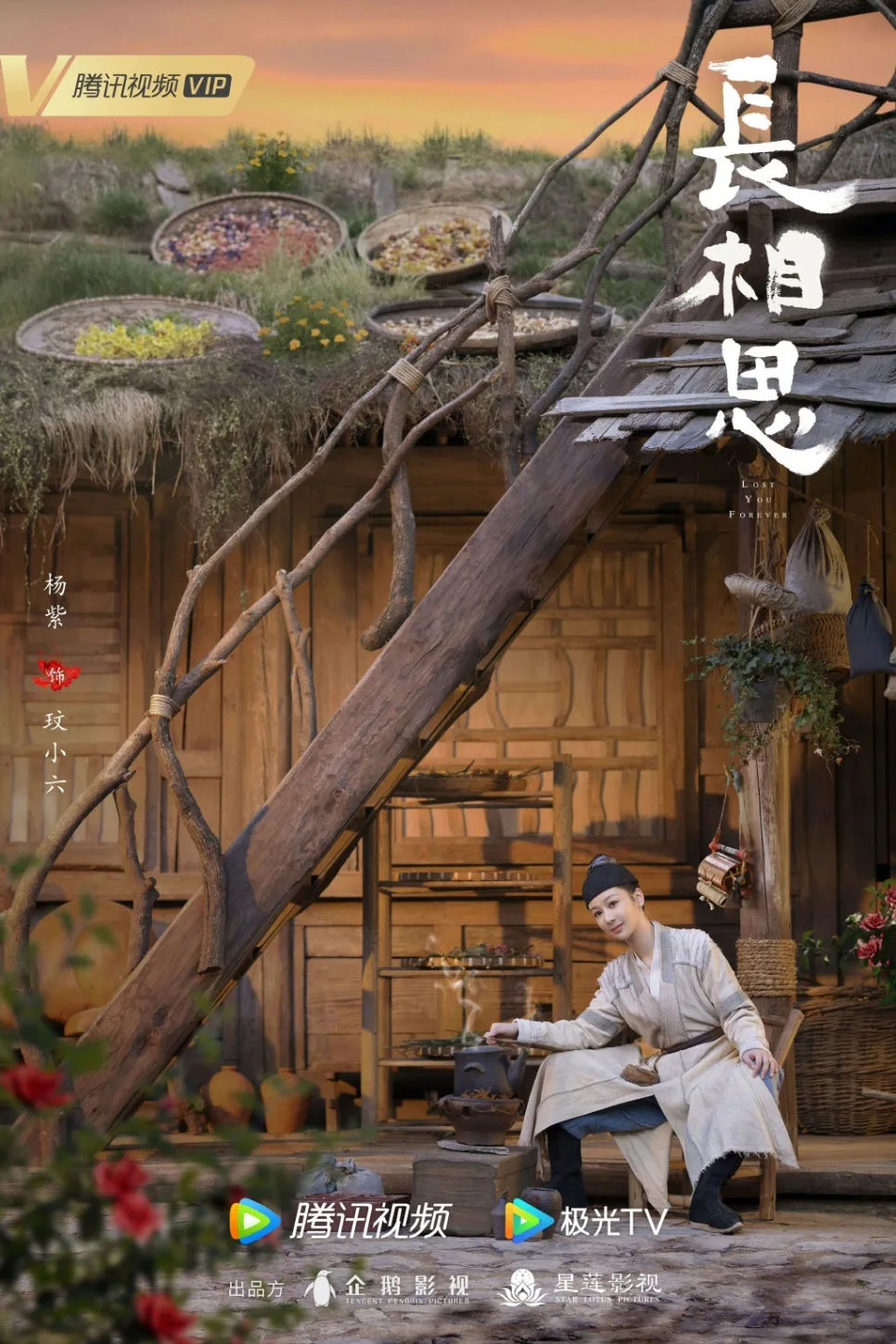
The most effective way to boost your Chinese language skills is through diligent copywork, or '필사' (pil-sa). This method helps you develop natural vocabulary and expressions, much like a native speaker. By copying from original novels, like the popular series 'Till the End of the Moon' (长相思), you can deepen your understanding of the story while simultaneously improving your Chinese proficiency. For those aiming to enhance their language abilities in 2026, copywork remains an unparalleled technique.
How Does Chinese Copywork Improve Language Skills?
Engaging with the original novel of 'Till the End of the Moon' through copywork often reveals new vocabulary and expressions you might have missed otherwise. Even if you're familiar with the story from watching the drama, reading and writing the original text exposes you to subtle nuances in dialogue and descriptions. For instance, a line like Shang Lu asking Xiao Yao, "等他们都死时,你只怕依旧是现在的样子,有意思吗?" (When they've all died, you'll likely still be the same as you are now, is that interesting?), carries a profound sense of existential weariness beyond a simple translation of 'Is it interesting?'. This immersive practice significantly enhances your familiarity and comfort with the Chinese language.
What Are the Specific Benefits of Copying 'Till the End of the Moon'?
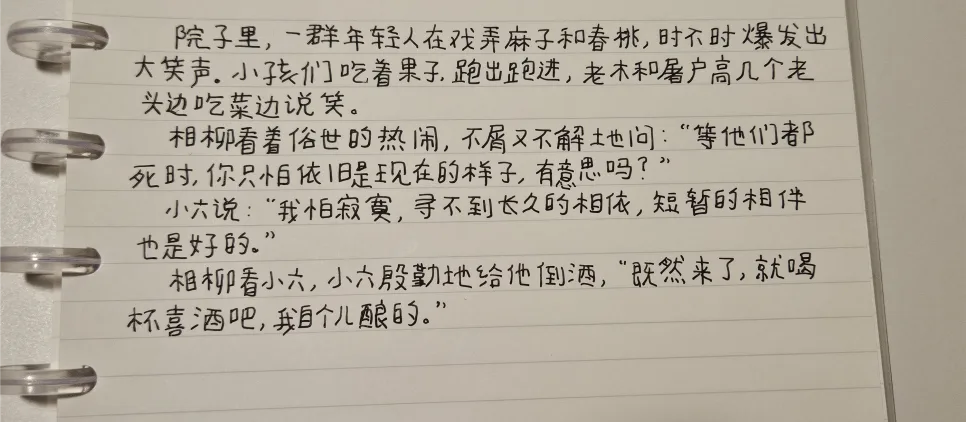
Copying the original novel 'Till the End of the Moon' offers more than just linguistic gains; it provides a deeper connection to the narrative. You'll encounter nuanced vocabulary such as '不屑' (bù xiè), meaning to disdain or think something is beneath you, and '殷勤' (yīn qín), describing a very attentive or kind demeanor. Writing these words helps solidify their meaning and usage. Furthermore, dialogues like, "我怕寂寞,寻不到长久的相伴,短暂的相伴也是好的。” (I fear loneliness. If I can't find lasting companionship, even brief companionship is good.), allow you to grasp the characters' emotions and the author's intent more vividly. This process not only sharpens your Chinese skills but also broadens your understanding of Chinese culture and history.
What Should You Watch Out for During Chinese Copywork?
To make your Chinese copywork as effective as possible, keep a few points in mind. Firstly, don't feel pressured to perfectly copy every single sentence from the start. Begin with passages that resonate with you and gradually expand your scope. Secondly, when you encounter unfamiliar words or grammatical structures, don't just skip them. Make it a habit to look them up and understand their precise meaning. For example, failing to grasp the exact nuance of '不屑' could lead you to misunderstand the underlying sentiment of a sentence. Lastly, consistency is key. Even short, daily copywork sessions build momentum for long-term language improvement.
How Can You Maximize the Effectiveness of Chinese Copywork?
To truly maximize the benefits of Chinese copywork, go beyond simple transcription and adopt an active learning approach. Try creating your own sentences using the vocabulary and structures you've copied, or rewrite dialogues from the perspective of different characters. Another excellent method is to write short reviews or reflections on the passages you've copied. For instance, after copying the scene where Su Lu offers Shang Lu wine with "既然来了,就喝杯喜酒吧,我自个儿酿的。” (Since you're here, have a cup of celebratory wine; I made it myself.), you could write in Chinese about what kind of drink you would offer a guest. Tailoring your copywork methods to your personal learning goals and style is crucial for achieving the best results.
For more details, check the original source below.





