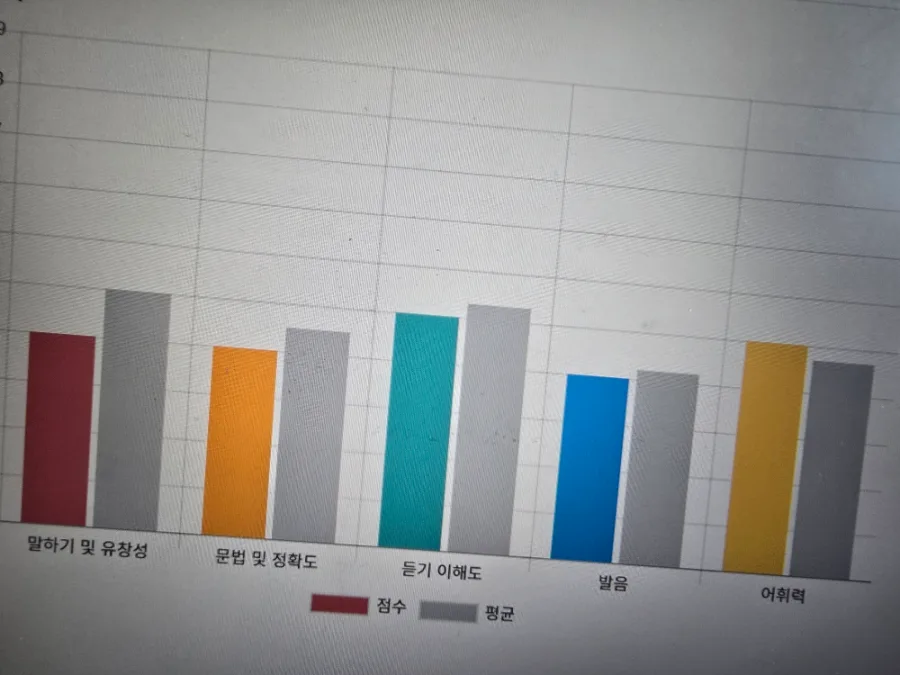
Struggling to improve your Korean speaking skills? This guide breaks down effective strategies and resources for 2026, drawing from real-world experiences to help you achieve fluency. Learn how structured learning and consistent practice can transform your ability to communicate in Korean.
Why is practical Korean speaking ability crucial for US learners in 2026?
In today's interconnected world, the demand for practical Korean language skills is soaring, especially for those engaging with Korean culture through K-dramas, K-pop, or business. While understanding written Korean is one thing, being able to converse fluently is key to truly connecting. For US learners, this means moving beyond basic phrases to confidently participate in conversations, understand nuances, and express complex ideas. Mastering spoken Korean opens doors to deeper cultural immersion, better career opportunities, and more meaningful interactions with Korean speakers. It's about building the confidence to use the language in real-life scenarios, whether for travel, work, or personal enrichment.
How can you design a practical Korean learning plan for 2026?
Creating an effective Korean learning plan involves understanding your goals and choosing the right resources. For beginners, starting with the Korean alphabet, Hangul, is essential, typically taking 3-7 days to master. From there, focus on basic conversational phrases, which can be learned within a month. For those aiming for fluency, a 6-12 month commitment to consistent practice is often recommended. Utilize free resources like Talk To Me In Korean (TTMIK) for structured lessons, Duolingo for daily practice, and Anki for vocabulary memorization. Many learners find success by integrating their K-drama and K-pop interests into their study, using lyrics and dialogue to improve listening comprehension and pronunciation.
What's the synergy between 1:1 native speaker lessons and Korean tutor support?
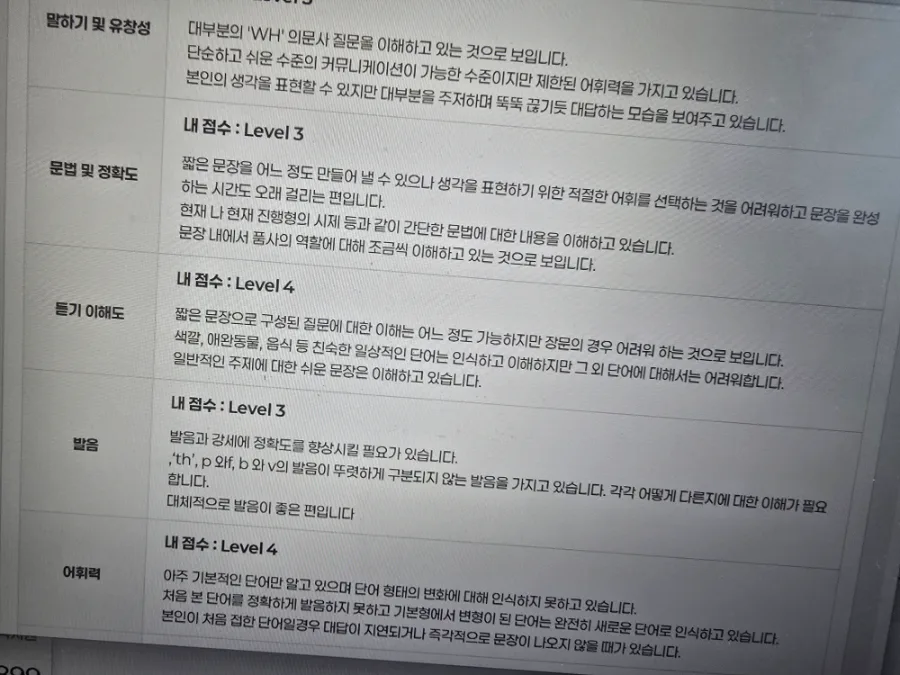
The most effective Korean language learning often combines immersive practice with structured guidance. 1:1 live sessions with native Korean speakers are invaluable for developing natural pronunciation and conversational flow. These sessions allow for role-playing real-life scenarios, such as ordering food, asking for directions, or participating in a business meeting, providing immediate feedback on expressions and grammar. Complementing this, a Korean tutor offers crucial support by managing daily assignments like pattern drills, dictation, shadowing, and writing exercises. This dual approach ensures consistent exposure to the language and targeted feedback, helping learners identify and correct specific areas for improvement, thereby accelerating their progress towards fluency.
What curriculum options are available for Korean learners in 2026?
Korean language learners in 2026 have access to a wide array of curriculum options tailored to various needs and goals. Beyond general conversational Korean, specialized tracks are available, including business Korean for professional settings, travel Korean for tourists, and even courses focused on specific grammar points or vocabulary expansion. Many online platforms and language schools offer over 20 distinct curriculum modules, allowing learners to customize their study plan. Additionally, free e-books and supplementary learning materials are often provided, which can be used for self-study during commutes or downtime. This flexibility ensures that learners can find a program that aligns perfectly with their objectives, whether they aim to pass the TOPIK exam or simply chat with friends.
What tangible changes can learners expect after studying Korean with a structured program?
After dedicating time to a structured Korean learning program, many students report a significant boost in confidence when participating in English meetings or discussions. The ability to articulate opinions clearly and respond effectively in meetings, even if initially challenging, becomes more natural. This enhanced communication skill not only improves professional interactions but can also lead to increased opportunities in global projects. The journey of learning Korean, supported by consistent practice and expert guidance, translates into tangible improvements in overall communication competence, empowering individuals in both their personal and professional lives.
For those in the US seeking to master the Korean language, a combination of immersive practice, structured learning, and cultural integration offers the most effective path to fluency in 2026.





