
Ready to finally master Korean speaking skills in 2026? The most effective method involves consistent practice, receiving corrections, and immersing yourself in the language and culture. This guide reveals proven strategies for rapid progress, focusing on practical application over rote memorization.
Why Is Consistent Speaking Practice Key to Learning Korean?
Many learners struggle with Korean conversation despite extensive study. This often stems from a lack of real-world speaking practice. True fluency in Korean, like any language, is built through actively speaking, making mistakes, and learning from corrections. Korean language learning resources like Talk To Me In Korean (TTMIK) and Duolingo offer great starting points, but the real leap happens when you apply what you learn. Experiencing the 'aha!' moment of using a new phrase successfully with a native speaker is incredibly motivating and accelerates your learning curve. This practical application is crucial for building confidence and achieving conversational fluency.
How Can Beginners Effectively Learn Korean Speaking?
For beginners aiming to learn Korean, focusing on foundational elements like Hangul (the Korean alphabet) is essential. You can master Hangul in as little as 3-7 days. Following this, dedicate about a month to basic phrases and sentence structures. The journey to conversational fluency typically takes 6-12 months of consistent effort. Utilizing free resources such as TTMIK, Duolingo, and Anki flashcards can build a strong base. However, to truly improve speaking, seek opportunities for real-time interaction. Engaging with native speakers, even for short periods, provides invaluable practice and feedback, helping you internalize the language more effectively.
What Are the Best Resources for Learning Korean Culture Alongside the Language?
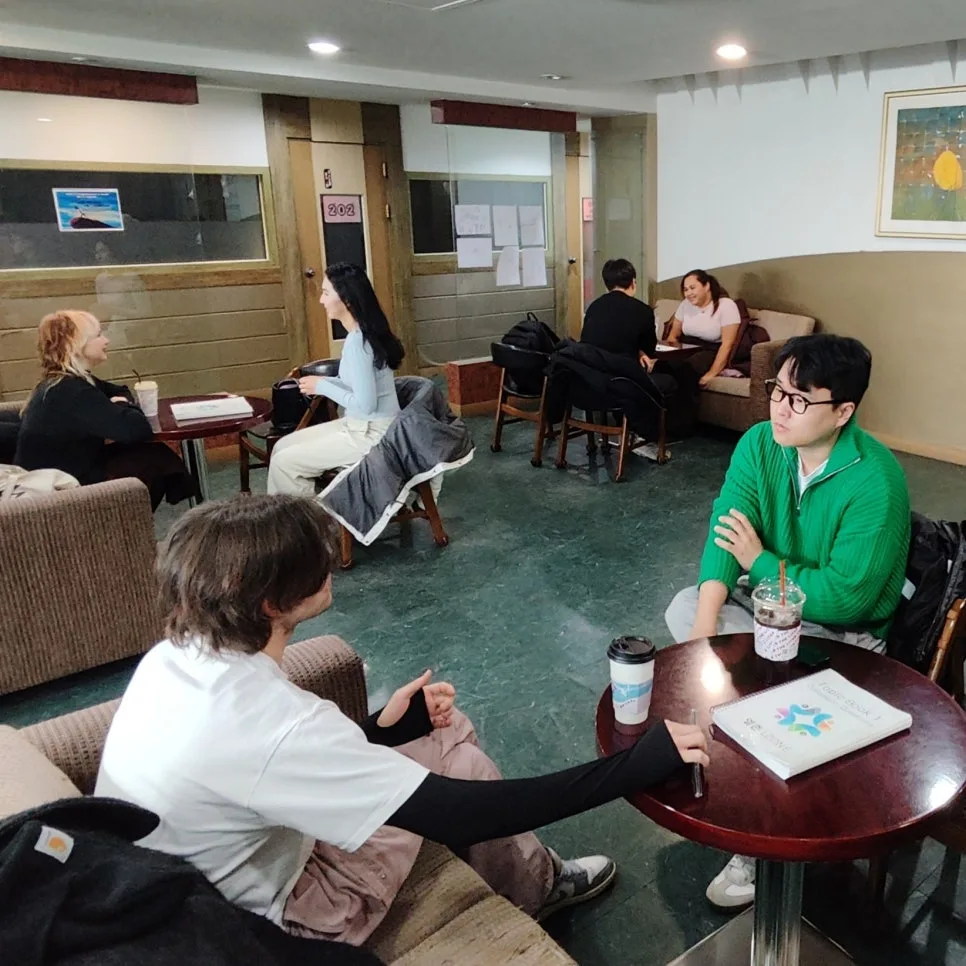
Learning Korean goes beyond just grammar and vocabulary; understanding Korean culture provides essential context that makes the language come alive. K-dramas and K-pop are incredibly popular gateways for US learners. Watching dramas on platforms like Netflix or Viki, and listening to K-pop groups like BTS or BLACKPINK, exposes you to natural speech patterns, slang, and cultural nuances. Many learners find that following along with lyrics or subtitles helps them pick up new words and phrases. This immersive approach makes learning feel less like a chore and more like exploring a culture you love, significantly boosting motivation and retention.
What Common Mistakes Should Korean Language Learners Avoid?
A common pitfall for Korean language learners is the fear of making mistakes. This hesitation can significantly slow down progress. It's vital to remember that errors are a natural and necessary part of the learning process. Another mistake is relying solely on passive learning methods like watching dramas without actively practicing speaking. Learners should also be aware of the complexities of Korean honorifics and speech levels, which differ significantly from English. While resources like TTMIK and Duolingo are excellent, actively seeking conversation partners or joining language exchange groups can bridge the gap between theoretical knowledge and practical speaking ability. Consistent practice, even if imperfect, is key to overcoming these hurdles.
Start your Korean speaking journey today!





