
Unlock your Korean language skills in 2026 by using the beloved animated film 'Ratatouille'! This guide breaks down how to leverage the movie's dialogue and narrative to naturally acquire new Korean vocabulary, improve listening comprehension, and practice speaking. It's an engaging method for beginners looking to immerse themselves in the Korean language through familiar, fun content.
Why is Learning Korean with 'Ratatouille' So Effective?
Animated films like 'Ratatouille' offer a unique advantage for language learners by combining engaging visuals with authentic spoken dialogue. This dual approach helps you grasp new Korean expressions and vocabulary in context, making them easier to remember and use. The movie features a range of everyday conversations, emotional expressions, and even some specialized culinary terms, providing a rich learning experience. By repeatedly watching and listening to Remy's journey and the interactions around him, you can significantly boost your Korean listening comprehension and pronunciation. The inherent fun of the story also keeps motivation high, which is crucial for consistent study.
How to Master 'Ratatouille's Korean Dialogue for Learning
To truly benefit from 'Ratatouille' for your Korean studies, go beyond passive viewing. Start by watching with Korean subtitles to connect the spoken words with their written form. As you become more comfortable, try watching without subtitles to test your listening skills. It's highly recommended to jot down phrases and lines that catch your attention – especially those that seem particularly useful or interesting. Practice repeating these lines aloud to improve your pronunciation and intonation. Focusing on culinary terms or expressions related to passion and dreams, which are central to the movie's theme, can also expand your specialized vocabulary effectively.
Applying 'Ratatouille's Korean Phrases to Real Life
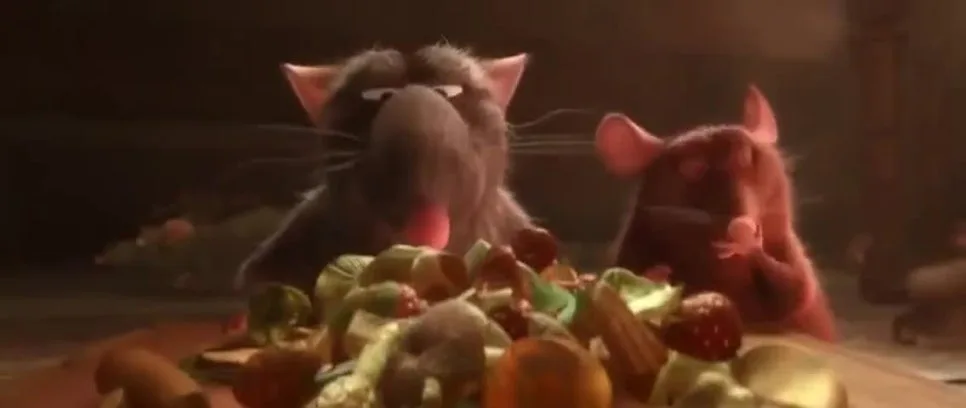
The real magic of learning with 'Ratatouille' happens when you start integrating the learned phrases into your daily life. For instance, if you've picked up expressions related to pursuing a dream or overcoming doubts, try using them when discussing your own goals or challenges. Phrases like '꿈을 쫓다' (to chase a dream) or '포기하지 않다' (to not give up) can be powerful additions to your active Korean vocabulary. Similarly, everyday conversational snippets, such as asking '무슨 일이야?' (What's wrong?) or making simple requests, can be practiced with friends or even in a personal journal. This active application solidifies your learning and bridges the gap between movie dialogue and practical communication.
Key Considerations for Animated Language Learning
While 'Ratatouille' is a fantastic tool, remember a few key points for optimal learning. Focus on understanding the gist of conversations rather than getting stuck on every single unknown word; context is your best friend. Actively try to use the new vocabulary and sentence structures you encounter – speaking them aloud or writing them down helps immensely. Don't be afraid to experiment and make mistakes; it's a natural part of the learning process. Tailor your approach to your current Korean level and learning goals. For beginners, focusing on basic greetings and common phrases might be more beneficial than diving into complex dialogues. Consistent, active engagement is more important than simply rewatching the movie multiple times.
English crawl path
Next English reads from this pilot cluster
Continue through the category hub, latest English stories, and related posts so this translated article is not an isolated URL.
Tags
💬Frequently Asked Questions
What should I check first in Learn Korean with Ratatouille: 2026 Guide?
Does this Language Learning article link back to the Korean source?
Where can I find similar English stories?
English discovery path
Explore more English K-culture stories
Keep browsing the indexed English pilot cluster so Google and readers can move between this story, the category hub, and fresh discovery pages.
Original Source
Read the Korean original





