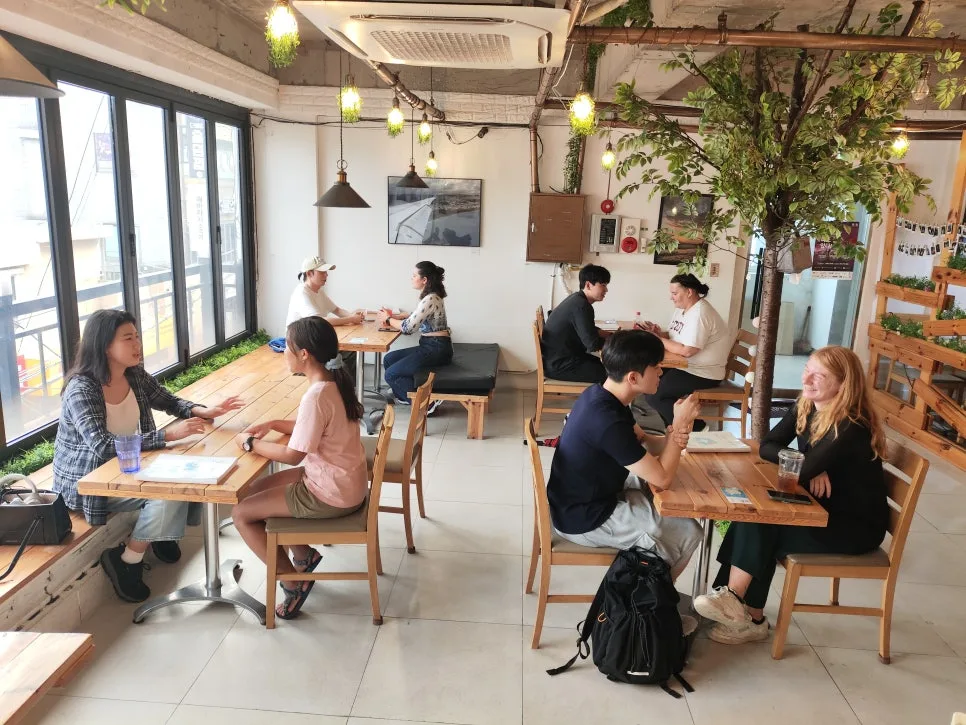
Struggling to speak Korean fluently despite self-study or online courses? If you're hitting a wall with traditional methods and need real-world practice, consider immersive environments that prioritize practical conversation. This guide explores how to break through those limitations and gain confidence in your Korean language skills, especially for beginners aiming for conversational fluency by 2026.
Why Self-Study and Online Courses Fall Short for Speaking
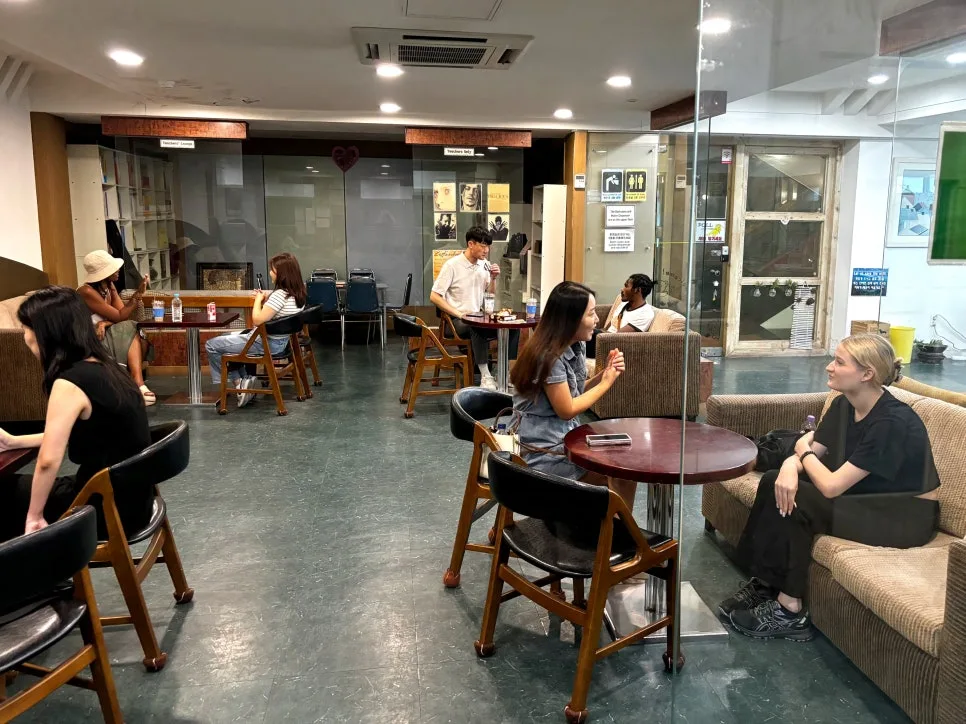
Many learners dive into Korean with textbooks and online classes, only to freeze up when faced with a native speaker. This common experience stems from a lack of actual speaking practice. While memorizing vocabulary and grammar rules is essential, true conversational ability is built through consistent, real-time application. Think of it like learning to swim: reading about strokes won't make you a swimmer; you need to get in the water. For many US-based learners, finding accessible, consistent opportunities to practice speaking Korean can be a major hurdle, leading to frustration and stalled progress.
Immersive Korean Learning: A Different Approach
To overcome these challenges, many find success with learning environments that simulate real-life interactions. The key is consistent practice with native speakers, focusing on practical, everyday expressions rather than just rote memorization. This approach not only builds vocabulary and grammar recall but also enhances cultural understanding, which is crucial for natural communication. For those in the US, finding such environments might involve seeking out local Korean cultural centers, language exchange meetups, or specialized online tutors who focus on conversational practice. The goal is to make Korean feel less like an academic subject and more like a living, breathing language.
How Real-World Practice Transforms Fluency
Engaging in regular conversations with native Korean speakers, even for short periods, can dramatically accelerate your learning curve. This method helps you internalize sentence structures, pronunciation, and natural speech patterns that textbooks often miss. It also builds crucial confidence, reducing the anxiety associated with speaking. By practicing common phrases and engaging in small talk, you'll find yourself becoming more comfortable and articulate. This consistent exposure helps bridge the gap between passive knowledge and active communication, making your Korean learning journey more rewarding and effective.
Who Benefits Most from Conversational Korean Practice?
This immersive approach is ideal for anyone aiming for genuine conversational fluency in Korean, especially those who feel stuck after traditional study methods. It's perfect for busy professionals who need flexible learning options, students preparing for exams like TOPIK, or anyone motivated by K-dramas and K-pop who wants to understand and communicate more deeply. If you're looking to move beyond basic phrases and engage in natural, confident conversations, prioritizing environments that offer consistent speaking practice is your most effective path forward.
For more details, check the original source below.





