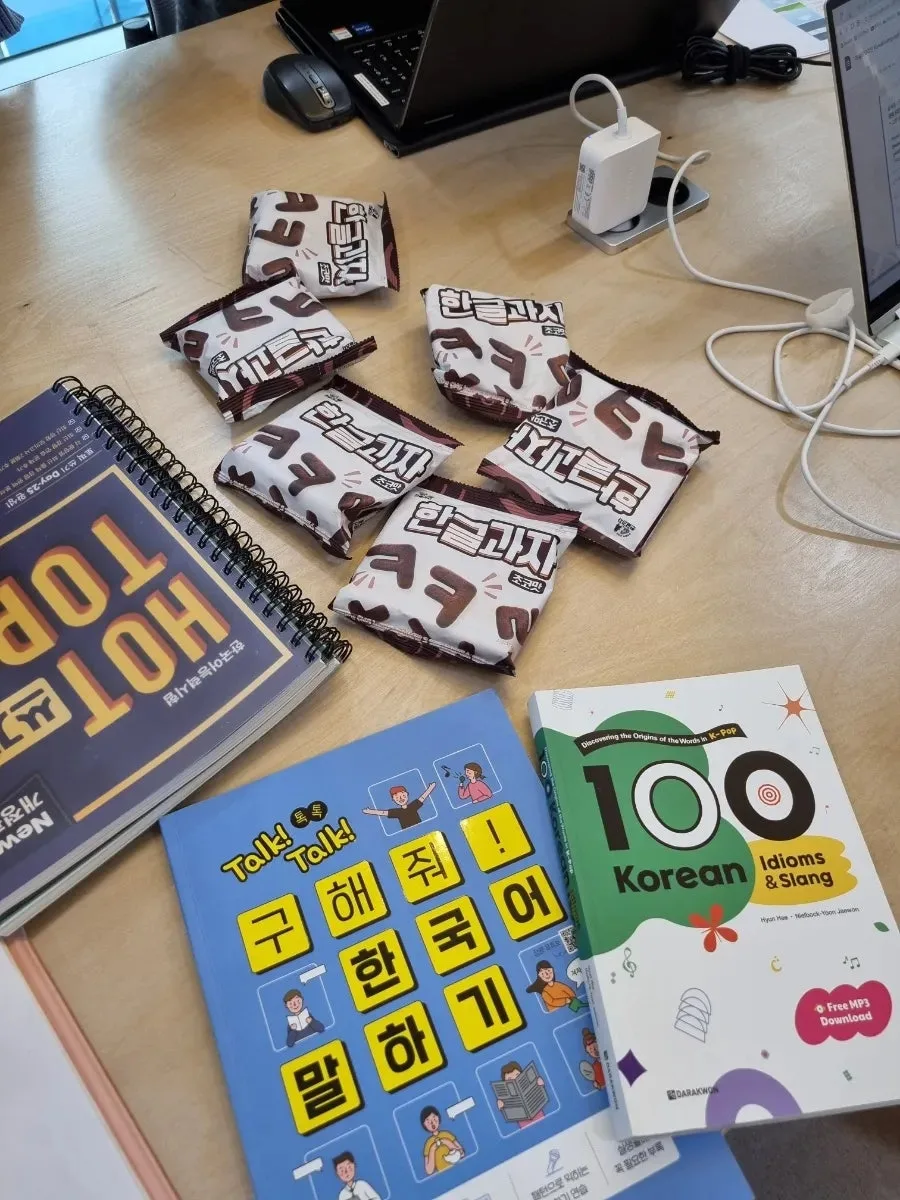
Learning Korean effectively involves more than just memorizing vocabulary; it requires a structured approach that includes mastering the alphabet (Hangul), practicing nuanced expressions, and strategizing for proficiency tests like TOPIK. An experienced Korean language instructor can guide you through a comprehensive curriculum, from foundational elements to advanced conversational skills and exam preparation, ensuring steady progress for beginners and intermediate learners alike.
Why Is Expressing Emotions Crucial in Korean Language Learning?
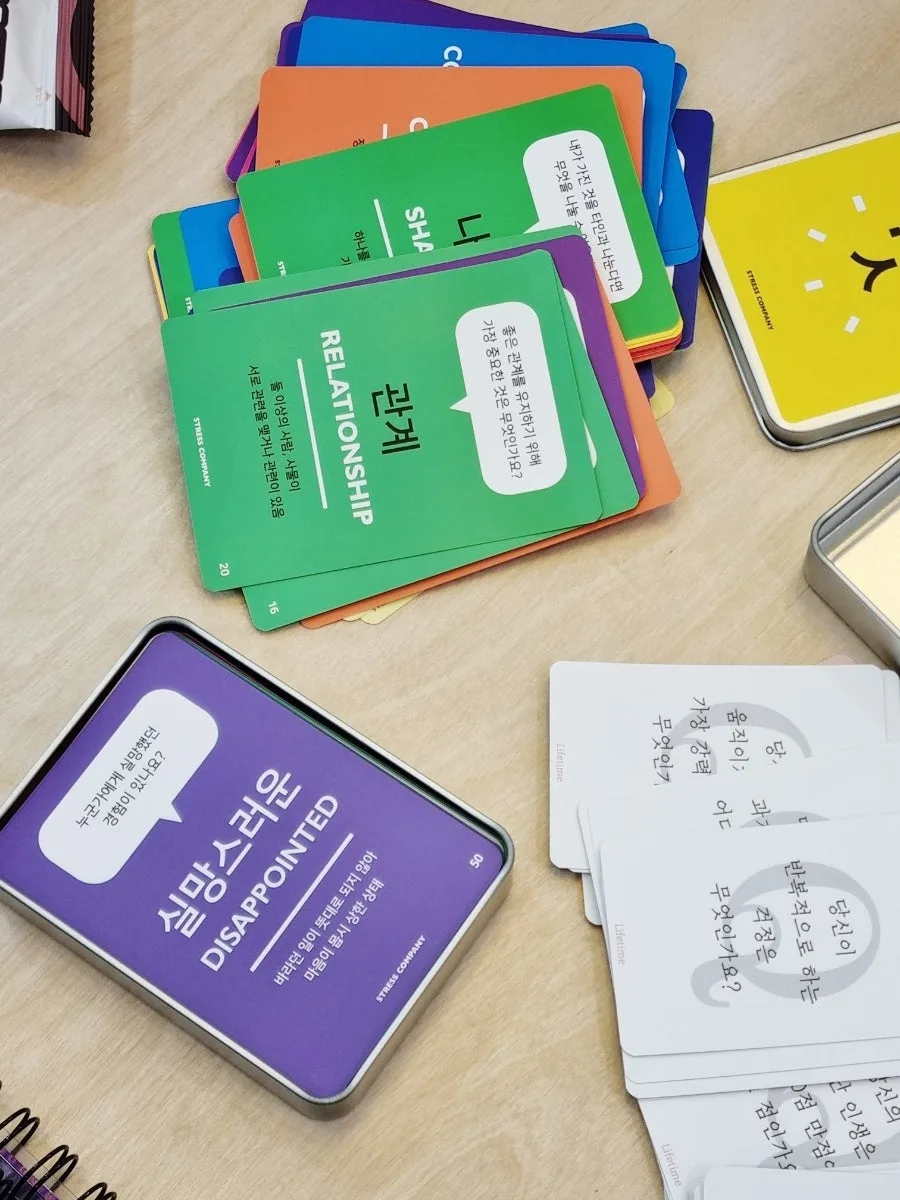
While basic emotions like 'happy' (기쁘다 - gippeuda) or 'sad' (슬프다 - seulpeuda) are often the first Korean words learners acquire, expressing more complex feelings such as 'disappointed' (실망스러운 - silmangseureoun) or 'overwhelmed' (벅찬 - beokchan) presents a significant challenge for many. As a Korean language instructor with nine years of experience, I've observed this difficulty firsthand. To address this, I've developed a method using 'desire cards' and 'emotion cards.' Learners select cards that best represent their current state and then use conversation prompts to explain the reasons behind their feelings. This process moves beyond rote memorization, empowering learners to articulate their 'own stories' in Korean and naturally grasp nuanced emotional expressions within context, significantly boosting learning effectiveness. These interactive activities are key to engaging learners and deepening their interest in the Korean language.
What Are the Benefits of Learning Hangul with 'Korean Snack' Activities?
Learning the Korean alphabet, Hangul, can be made enjoyable and intuitive through creative methods like using 'Korean snacks' (한글 과자 - Hangeul gwaja). This sensory approach involves physically creating consonants and vowels using edible materials, then combining them to form syllables and words. By engaging multiple senses – sight, touch, taste, and even smell – learners can intuitively grasp the structure and logic of Hangul. This method is particularly effective for young learners, children from multicultural families, or anyone new to the Korean language who finds traditional memorization challenging. It transforms the learning process into a fun, hands-on experience, making the fundamental building blocks of Korean much more accessible and memorable. This playful yet educational technique ensures that the initial steps in learning Korean are both effective and engaging.
How Can Beginners Effectively Prepare for the TOPIK Exam?
Preparing for the Test of Proficiency in Korean (TOPIK) at the beginner and intermediate levels requires a strategic approach focused on understanding common grammar patterns and developing efficient test-taking skills. Analyzing recent exam papers is crucial for identifying frequently confused grammar points and understanding the structure of questions. Developing time-saving strategies for each question type is equally important. For instance, recognizing common sentence structures or vocabulary can significantly speed up comprehension. Focusing on the core elements needed to advance from beginner (Level 1-2) to intermediate (Level 3-4) proficiency is key. This includes mastering essential vocabulary, understanding basic sentence construction, and practicing reading and listening comprehension exercises tailored to these levels. Consistent practice with these targeted strategies will build confidence and improve performance on the TOPIK exam.
What Should You Consider When Choosing an Online Korean Class?
Learning Korean online offers flexibility, but maximizing its effectiveness requires careful consideration. Firstly, the instructor's expertise and experience are paramount. A seasoned instructor, like one with nine years of experience, can tailor the curriculum to your specific level and learning goals, providing personalized feedback. Secondly, the quality and type of learning materials are vital. Utilizing engaging and effective tools beyond standard textbooks—such as the emotion cards and 'Korean snack' Hangul activities mentioned earlier—can significantly enhance the learning experience.
Finally, fostering an environment where students feel comfortable actively participating and asking questions is essential. If you find self-study challenging or are struggling to see progress, partnering with a qualified instructor to create a structured learning plan is highly recommended. Choosing a class that aligns with your personal learning style and objectives is the cornerstone of successful Korean language acquisition.
English crawl path
Next English reads from this pilot cluster
Continue through the category hub, latest English stories, and related posts so this translated article is not an isolated URL.
Tags
💬Frequently Asked Questions
What should I check first in Learn Korean Fast: Expert Guide to Hangul & TOPIK 2026?
Does this Language Learning article link back to the Korean source?
Where can I find similar English stories?
English discovery path
Explore more English K-culture stories
Keep browsing the indexed English pilot cluster so Google and readers can move between this story, the category hub, and fresh discovery pages.
Original Source
Read the Korean original





