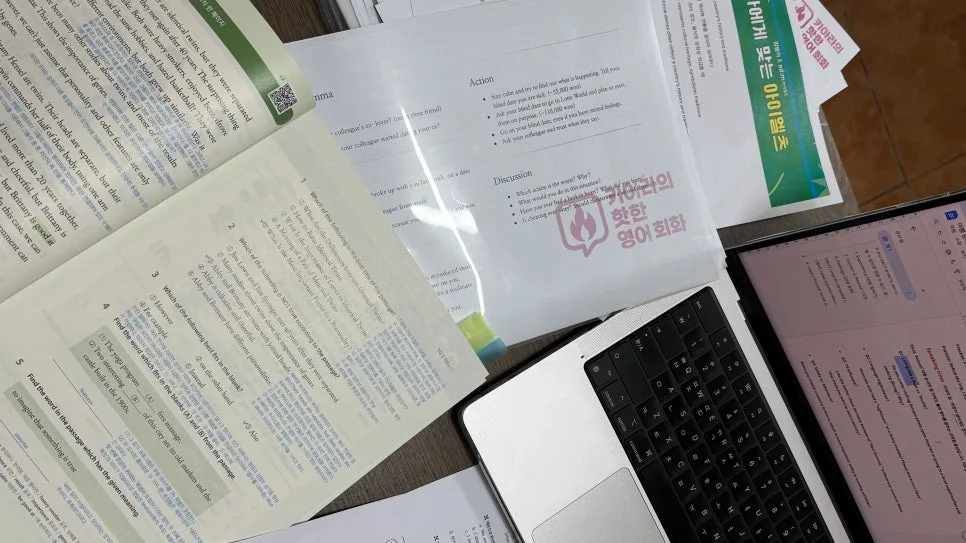
Learning Korean quickly is achievable with the right approach, focusing on practical phrases and consistent speaking practice. Mastering Hangul in under a week, basic conversational phrases within a month, and aiming for fluency in 6-12 months are realistic goals for dedicated learners. Utilizing free resources like Talk To Me In Korean (TTMIK), Duolingo, and Anki flashcards can significantly accelerate your progress, especially when integrated with K-drama and K-pop content.
How to Learn Korean Effectively for Beginners?
The most effective way to learn Korean for beginners involves a structured approach that prioritizes practical communication over rote memorization. Start by mastering the Korean alphabet, Hangul, which is remarkably logical and can be learned in about 3-7 days. Once you can read Hangul, focus on acquiring essential phrases for daily life and travel. Many learners find success by following a learning path that moves from basic greetings and introductions to more complex sentence structures over several months. Integrating popular Korean culture, such as K-dramas and K-pop lyrics, can make the learning process more engaging and help you pick up natural-sounding expressions and pronunciation. Resources like TTMIK offer structured courses, while Duolingo provides gamified practice, and Anki is excellent for vocabulary retention.
Mastering Practical Korean Phrases for Real Conversations
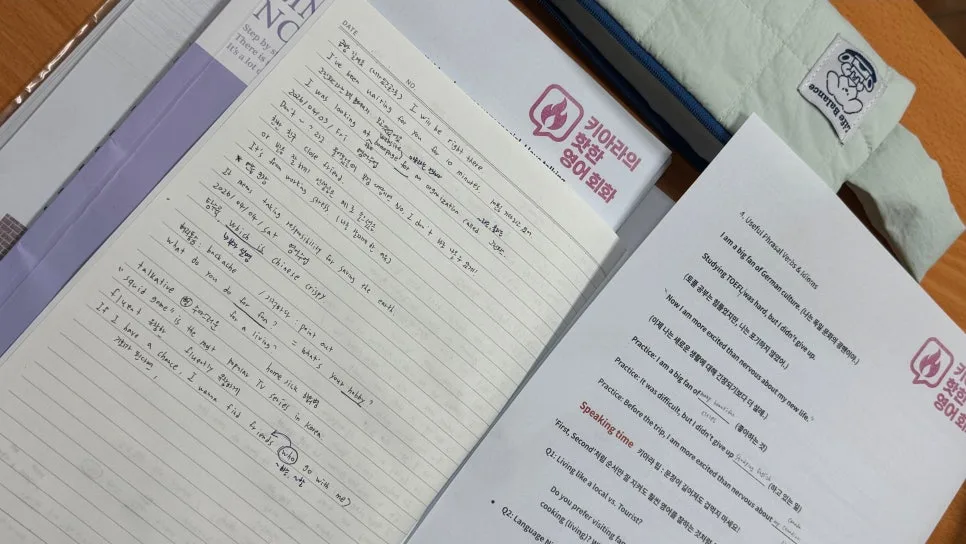
To truly speak Korean, you need to go beyond basic vocabulary and learn phrases used in everyday conversations. Focus on expressions that facilitate small talk and build confidence. For instance, learning phrases like 'I'm a big fan of ~' (저는 ~의 팬이에요), 'I was supposed to ~' (저는 ~하기로 되어 있었어요), 'It happens' (그럴 수 있죠), 'Go for it!' (잘 해봐!), and 'You got this!' (넌 할 수 있어!) can significantly enhance your ability to connect with native speakers. These expressions are commonly used in casual settings and can help you navigate social interactions more smoothly. Practicing these phrases through role-playing, similar to how actors rehearse scenes, helps embed them into your active vocabulary, making them readily available during actual conversations.
The 'My Story' Method: Input → Output → Repetition for Fluency
A highly effective learning strategy, often referred to as the 'My Story' method, involves a cyclical process of Input, Output, and Repetition. Begin with Input by listening to Korean podcasts or watching K-dramas to absorb natural language patterns and pronunciation. Follow this with Output, where you actively use the language by speaking or writing. This could involve practicing new phrases in conversation or writing short Korean diary entries about your experiences. The key is to connect the language to your personal life, making it more meaningful and memorable. For example, you might describe a recent trip or a favorite hobby using the Korean phrases you've learned. Consistent repetition of these steps reinforces learning and builds the confidence needed for fluent communication.
Who Benefits Most from This Korean Learning Approach?
This comprehensive approach to learning Korean is ideal for individuals who find speaking difficult, want to improve their practical conversational skills, or are preparing for experiences abroad like language immersion programs or international travel. It's particularly beneficial for those who are motivated by Korean culture and want to engage with it more deeply. If you're planning to study in Korea, travel for an extended period, or simply wish to communicate more naturally in Korean, this method provides the tools and confidence to succeed. The focus on real-life scenarios and personal storytelling makes the learning process highly relevant and motivating, helping you overcome the initial hurdles of language acquisition.
For more details, check the original source below.





