
Learning Korean can feel daunting, but a structured approach focusing on daily speaking practice for just 30 minutes can make it feel familiar and manageable. The key is consistent, speaking-focused routines, like daily missions, and actively correcting pronunciation and grammar with native speakers, which builds confidence faster than passive listening alone.
How Can Daily Speaking Practice Make Korean Feel Familiar?
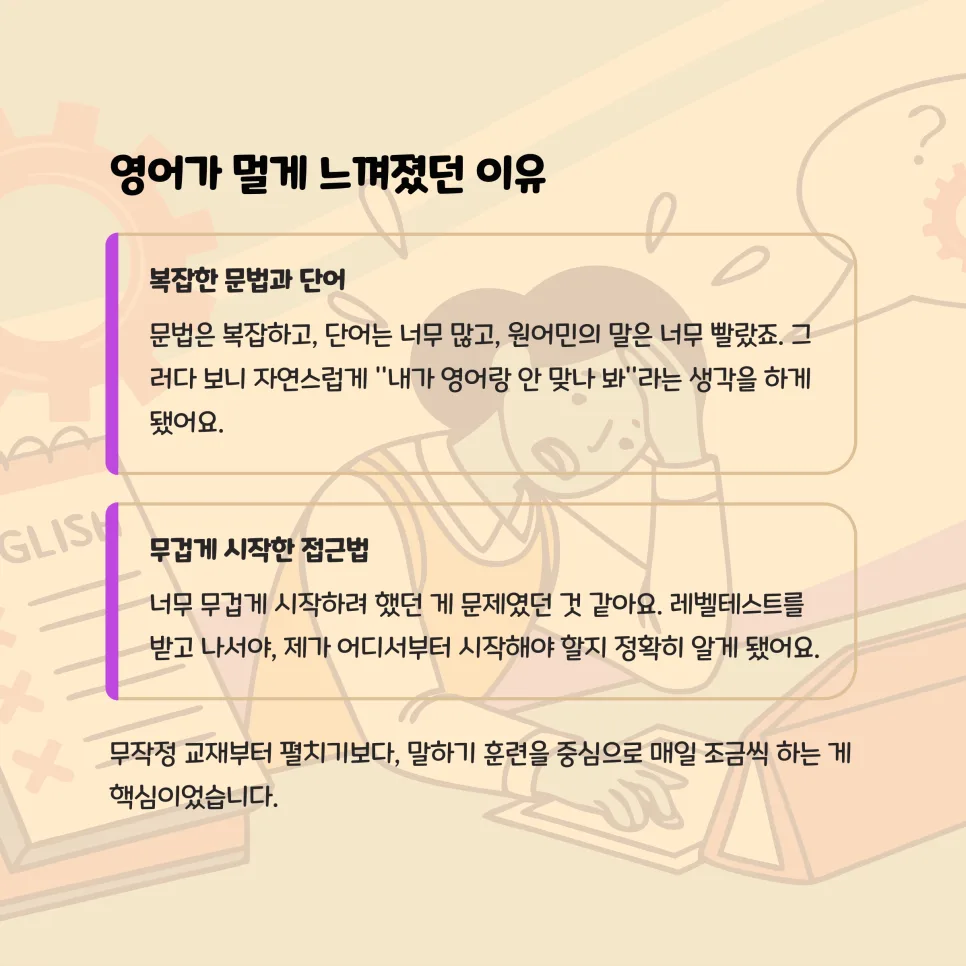
Many learners feel overwhelmed by the idea of dedicating long hours to study, but the reality is that consistent, short bursts of practice can be incredibly effective. Spending just 30 minutes daily speaking Korean aloud, mimicking native speakers, or completing targeted exercises can significantly boost your familiarity with the language. My personal experience showed that focusing on speaking, rather than just passive listening, was the real game-changer for improving my Korean skills. Programs like Talk To Me In Korean (TTMIK) offer structured paths that help you identify your current level and tailor your practice accordingly. This approach transforms Korean from a difficult subject into a language you can naturally use in everyday situations.
How Can I Create an Effective Korean Speaking Routine?
To build a successful Korean speaking routine, simplicity and consistency are key. I found that dedicating about 30 minutes each evening after work was manageable. Resources like TTMIK provide daily speaking tasks tailored to your level, which might include shadowing dialogue from K-dramas, answering prompts, or summarizing short news clips. This variety keeps the learning process engaging and helps maintain motivation. The most crucial element is to consistently get your mouth moving and speak Korean every day, even for short periods. This regular practice helps Korean phrases and grammar become second nature.
Why Is Speaking-Focused Learning More Effective Than Listening-Only?
In the past, I relied heavily on listening to Korean content like YouTube videos or podcasts. While this helped with comprehension, I often struggled to actually *speak* the language myself. Learning Korean through active speaking practice, as emphasized by resources like TTMIK, forces you to produce the language. Practicing one-on-one with native speakers allows for immediate feedback on pronunciation and intonation, and you learn to adapt common expressions to your own context. This hands-on approach solidifies your understanding and builds real conversational confidence, making the language feel much more accessible.
How Can I Overcome the Fear of Speaking Korean and Become More Confident?
After about a month of consistent speaking practice, my fear of making mistakes began to fade, replaced by a growing sense of familiarity with Korean. The process of speaking aloud daily and correcting errors repeatedly reduced my anxiety and increased my comfort level. Receiving feedback like “You sound much more natural now” from native speakers was incredibly rewarding. What started with hesitant greetings has evolved into the ability to express simple opinions and engage in basic conversations, all thanks to consistent, speaking-focused practice.
For more details, check the original source below.





