
Mastering polite English requests goes beyond simply saying 'Please.' By learning and using phrases like 'Could you...?', 'Would you mind...?', and 'I was wondering if you could...?', you can sound more natural and make a better impression in conversations, especially in business settings. This guide will explore 10 essential polite request phrases and how to use them effectively in various situations.
Why 'Please' Alone Isn't Enough for Polite English Requests
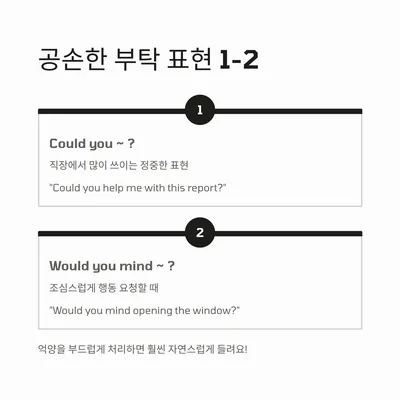
While 'Please' is a fundamental politeness marker in English, relying on it exclusively can sometimes sound abrupt or even demanding, particularly in professional or formal contexts. Native English speakers often employ a variety of nuanced phrases to soften their requests, taking into account the situation and their relationship with the person they're addressing. For instance, asking 'Could you help me with this report?' is a common and polite way to request assistance from a colleague. Advanced language learning platforms often focus on practicing these varied expressions, including intonation and tone, to ensure requests are conveyed effectively without causing discomfort. This approach helps learners develop practical communication skills that go beyond grammatical correctness, enabling them to express emotions and build rapport.
10 Essential Polite English Request Phrases for Native-Like Fluency
Related Articles
Here are 10 key English phrases for making polite requests, along with specific situational examples. The choice of phrase depends on the formality of the situation and your relationship with the person you're addressing. For instance, 'I was wondering if you could review this file' is an indirect and polite way to ask someone to check a document, suitable for formal emails or business meetings. Similarly, 'If it’s not too much trouble, could you send it today?' adds a nuance of apology or consideration for the other person's effort. Effective language learning programs focus on practicing these expressions in conversational contexts, moving beyond rote memorization to ensure they can be used naturally and confidently in any scenario.
What are the Best Phrases to Make Requests Without Burdening Others?
To make requests without burdening the other person, it's best to use indirect and softened language rather than direct commands. Phrases that inquire about possibility, such as 'Would it be possible to reschedule our meeting?' convey consideration for the other person's schedule and are particularly useful in sensitive situations. For a more casual request among friends or colleagues, 'Do you think you could take a look at this?' sounds friendly and approachable. Practicing these phrases with various intonations and tones is crucial for natural delivery in real conversations. This approach helps create a positive interaction and fosters smoother communication.
How Can You Practice Using English Request Phrases Naturally?
To truly master English request phrases, active practice in realistic scenarios is essential, rather than just memorizing grammar rules. Many language learning resources offer practice through listening to dialogue recordings, categorizing phrases by politeness level, and engaging in speaking exercises with feedback. For example, 'Would you mind opening the window?' is a much gentler way to ask someone to open a window than a direct command. Using transitional phrases like 'Can I ask you to print this for me?' can also act as a buffer before making the main request. Consistent daily practice, even just one new phrase a day, can lead to significant improvement, as many learners report moving from using only 'Please' to confidently selecting appropriate phrases for different situations.
For detailed practice materials, check the official New English website.





