
Learning Korean for beginners in 2026 requires a strategic approach focused on practical communication, not just memorizing grammar. The key is consistent practice with native speakers, which is why immersive environments like language exchange hubs are crucial for building confidence and real-world fluency. This guide outlines how to achieve conversational Korean within 6-12 months.
Why Is Real-World Korean Practice Essential for Learners?
While many learners diligently study Korean grammar and vocabulary through apps like Duolingo or online resources like Talk To Me In Korean (TTMIK), a significant gap often exists between theoretical knowledge and practical speaking ability. This is especially true for busy US-based students and professionals who struggle to find consistent opportunities for real conversation. Unlike passive learning, active speaking requires immediate feedback and interaction. The Korean language, with its unique sentence structure and honorifics, benefits immensely from consistent, real-time application. Achieving conversational fluency often takes 6-12 months of dedicated effort, and focusing on speaking from the start is the most effective path.
How Can You Maximize Your Korean Language Learning?
The most effective way to accelerate your Korean language journey is through consistent, interactive practice. Immersion, even simulated, is key. For instance, language exchange programs or dedicated conversation classes offer invaluable opportunities to engage with native speakers. This direct interaction helps solidify vocabulary, improve pronunciation, and build the confidence needed for real-life conversations, whether you're ordering food, asking for directions, or discussing K-pop with new friends. Focusing on speaking from day one, even with basic phrases, accelerates the learning curve far more than solely relying on textbooks or apps. This approach is vital for anyone aiming to pass the TOPIK exam or simply communicate effectively.
What Makes a Korean Language Learning Environment Effective?
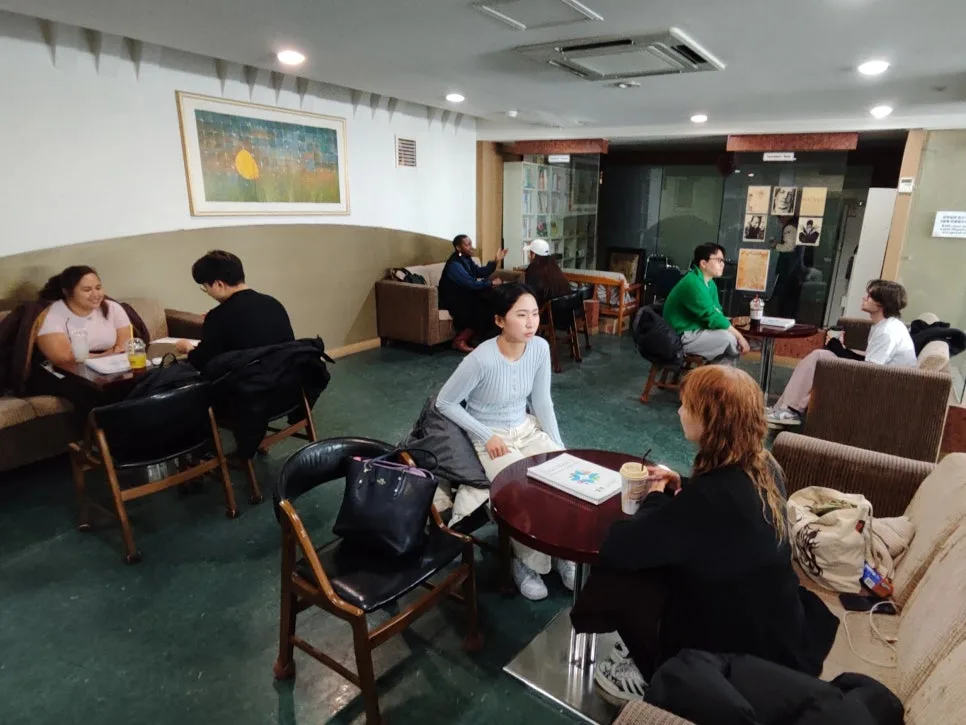
An effective Korean language learning environment prioritizes practical application and psychological safety. Learners need a space where they feel comfortable making mistakes, as errors are a natural part of acquiring any new language. This supportive atmosphere encourages more frequent speaking practice, leading to faster progress. Furthermore, consistent exposure to the language through regular interaction is crucial. Structured programs that incorporate regular speaking sessions, ideally with native speakers or advanced learners, provide the necessary repetition and feedback. This is more beneficial than sporadic study sessions. The goal is to integrate Korean into your daily life, making it a habit rather than a chore.
Why is Consistent Practice Key to Korean Fluency?
Ultimately, fluency in Korean, like any language, hinges on frequency and consistency. How often you actively speak and engage in conversations directly determines your proficiency. While self-study apps and online courses are valuable tools for building foundational knowledge, they cannot fully replicate the dynamic nature of real-time conversation. The ability to think on your feet, respond appropriately, and express yourself clearly in Korean requires dedicated speaking practice. This consistent effort not only sharpens your language skills but also enhances your cultural understanding, preparing you to be a confident global communicator.
Discover more ways to boost your Korean speaking skills.





