
Learning Korean fast and achieving fluency is possible with dedicated 1:1 instruction from verified native tutors. Structured curricula, immediate feedback on pronunciation and expression, and consistent practice are key to overcoming speaking hurdles and boosting confidence for adult learners in 2026.
Why Is Learning Korean Faster with Native Tutors?
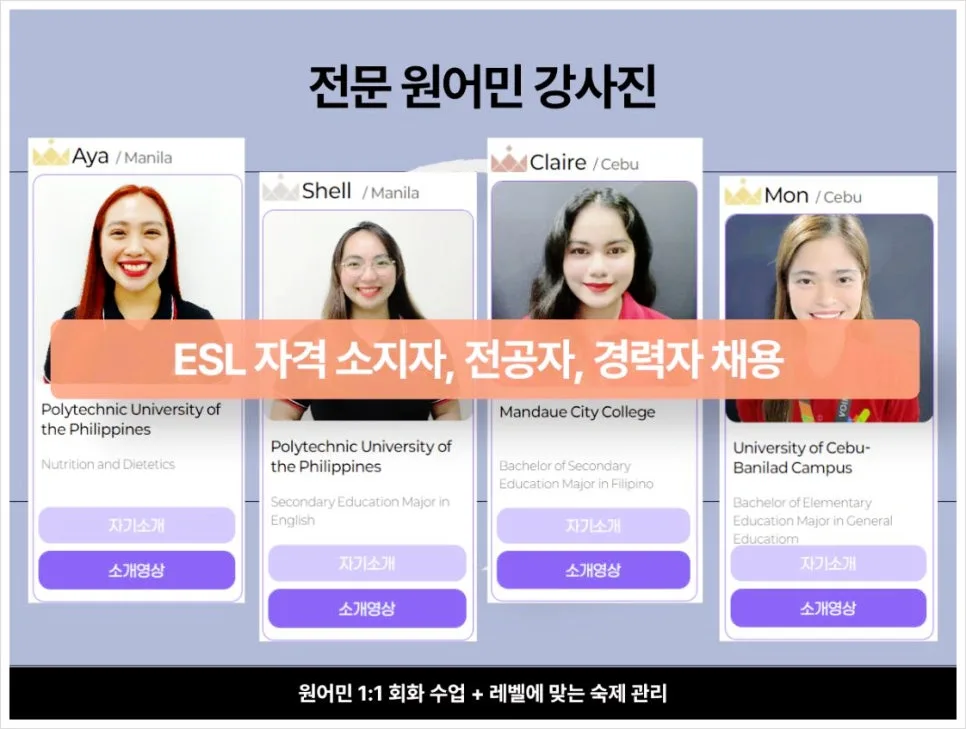
For many US learners, the biggest hurdle in mastering the Korean language is finding a way to speak confidently and naturally. This is where dedicated 1:1 real-time classes with verified native Korean tutors, like those offered by programs focusing on conversational Korean, truly shine. Unlike passively studying textbooks, these sessions provide immediate, personalized feedback on pronunciation, intonation, and word choice. This instant correction helps learners understand not just *what* to say, but *how* to say it like a native speaker. This immersive experience is crucial for building practical speaking skills and overcoming the hesitation many feel when trying to communicate in a new language. For instance, learning Korean through K-dramas can expose you to natural dialogue, but a tutor can actively correct your attempts to replicate it, accelerating your progress significantly.
What's the Best Way to Structure Korean Language Learning?
Effective Korean language learning follows a structured path, typically starting with mastering Hangul (the Korean alphabet) in about a week, then progressing to basic phrases within a month, and aiming for conversational fluency within 6-12 months. Programs often utilize a step-by-step curriculum that moves logically from listening comprehension to speaking, reading, and writing. This ensures a well-rounded skill set. For example, a beginner might start with common greetings and essential vocabulary, then move to constructing simple sentences, and eventually engage in more complex dialogues. Many resources, like Talk To Me In Korean (TTMIK) or Duolingo, offer free foundational courses, but the real breakthrough often comes with targeted practice. Many learners find that focusing on specific goals, such as preparing for the TOPIK exam or mastering conversational Korean for travel, helps tailor their learning and maintain motivation.
How Do Native Korean Tutors Enhance Your Learning Experience?
Native Korean tutors bring an invaluable cultural and linguistic perspective that goes beyond textbook knowledge. They are not just fluent speakers; they are often trained educators who understand the nuances of teaching Korean as a foreign language, especially to English speakers. They can explain complex grammar points, such as the honorific system or verb conjugations, in a way that resonates with learners. Crucially, they provide authentic, up-to-date expressions and slang used in everyday Korean life, which are often missing from traditional learning materials. This cultural context enriches the learning experience, making it more engaging and practical. For instance, understanding the cultural context behind certain phrases can prevent misunderstandings and foster deeper connections when interacting with Korean speakers.
What Are Common Mistakes to Avoid When Learning Korean?
A common pitfall for many Korean language learners is the fear of making mistakes, which can paralyze their speaking practice. It's vital to remember that errors are a natural part of the learning process. Instead of striving for perfect sentences from day one, focus on clear communication. Another mistake is neglecting Hangul; while romanization can help initially, mastering the Korean alphabet is essential for accurate pronunciation and reading comprehension. Over-reliance on translation apps without understanding the underlying grammar can also hinder progress. Learners should also be aware of the difference between formal and informal speech, as using the wrong level of politeness can be awkward. Consistent, active practice, whether through language exchange partners, online communities, or structured courses, is the most effective way to build fluency and confidence.
Ready to speak Korean? Explore your options today.





