
Looking to finally speak Korean confidently? The key is consistent, real-world conversation practice. While many learners focus on grammar rules or vocabulary lists, the fastest way to fluency is by actively engaging in spoken dialogue. This guide explores how immersive environments, like those offered by language exchange platforms, can accelerate your journey to conversational Korean, even if you're a complete beginner.
How Long Does It Take to Learn Korean?
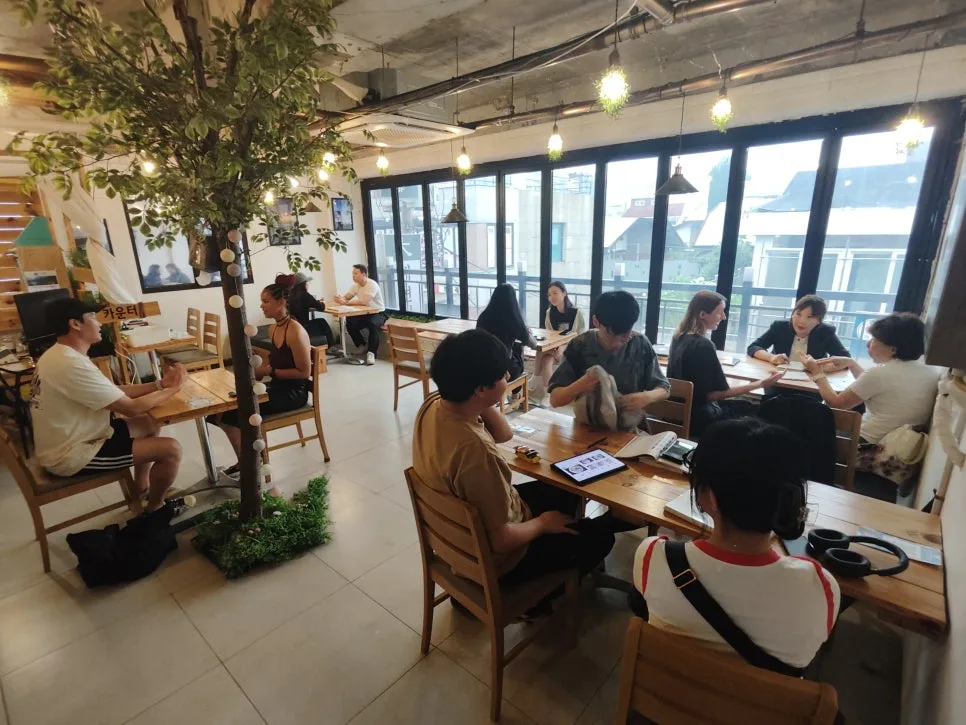
The timeline for learning Korean varies greatly depending on individual dedication, learning methods, and immersion opportunities. Generally, mastering the Korean alphabet, Hangul, can take as little as 3-7 days. Building a foundation of basic phrases and vocabulary might take about a month of consistent study. Achieving conversational fluency, where you can comfortably discuss everyday topics, typically requires 6-12 months of dedicated practice. For serious learners aiming for professional proficiency, the TOPIK (Test of Proficiency in Korean) exam is a benchmark, with advanced levels often requiring several years of study and immersion. The most effective approach combines structured learning with ample speaking practice, mirroring the immersive experience of studying abroad but accessible right from home.
What's the Best Way to Learn Korean for Beginners?
For beginners, the most effective strategy is to start with the Korean alphabet, Hangul, which is known for its scientific design and ease of learning. Once you can read Hangul, focus on acquiring essential phrases for daily life and travel. Utilizing free resources like Talk To Me In Korean (TTMIK), Duolingo, or Anki flashcards can build a solid vocabulary base. However, the real breakthrough in fluency comes from speaking practice. Engaging with native speakers, whether through language exchange partners, online tutors, or immersive programs, is crucial. This allows you to practice pronunciation, understand natural speech patterns, and build confidence. K-dramas and K-pop can also be powerful learning tools, providing context and motivation, but they should supplement, not replace, active speaking practice.
Can You Learn Korean Without Going Abroad?
Absolutely! While studying abroad in Korea offers unparalleled immersion, it's not the only path to fluency. Numerous online platforms and local language exchange communities now provide immersive experiences without the high cost and time commitment of international travel. These options often feature 100% English (or target language) environments where you can practice speaking with native tutors from diverse backgrounds. You can engage in conversations on topics ranging from daily life and hobbies to current events and culture, all from the comfort of your home city. This approach saves significant money and time, making consistent practice more accessible. It’s an excellent alternative for those seeking practical speaking skills and a global perspective without leaving the US.
What Are the Benefits of Practicing with Native Speakers?
Practicing with native Korean speakers offers several distinct advantages over traditional textbook learning. You'll encounter a wide range of accents and colloquialisms, improving your listening comprehension and adaptability. Native speakers can provide instant feedback on pronunciation and grammar in real-time, helping you correct mistakes before they become ingrained habits. Furthermore, engaging in natural conversations allows you to learn vocabulary and expressions used in everyday contexts, which are often missing from formal study materials. This direct interaction boosts speaking confidence significantly, making you more comfortable and articulate in real-life situations. It also offers a window into Korean culture, fostering a deeper understanding and appreciation beyond the language itself.
Ready to speak Korean? Start practicing with native speakers today!





