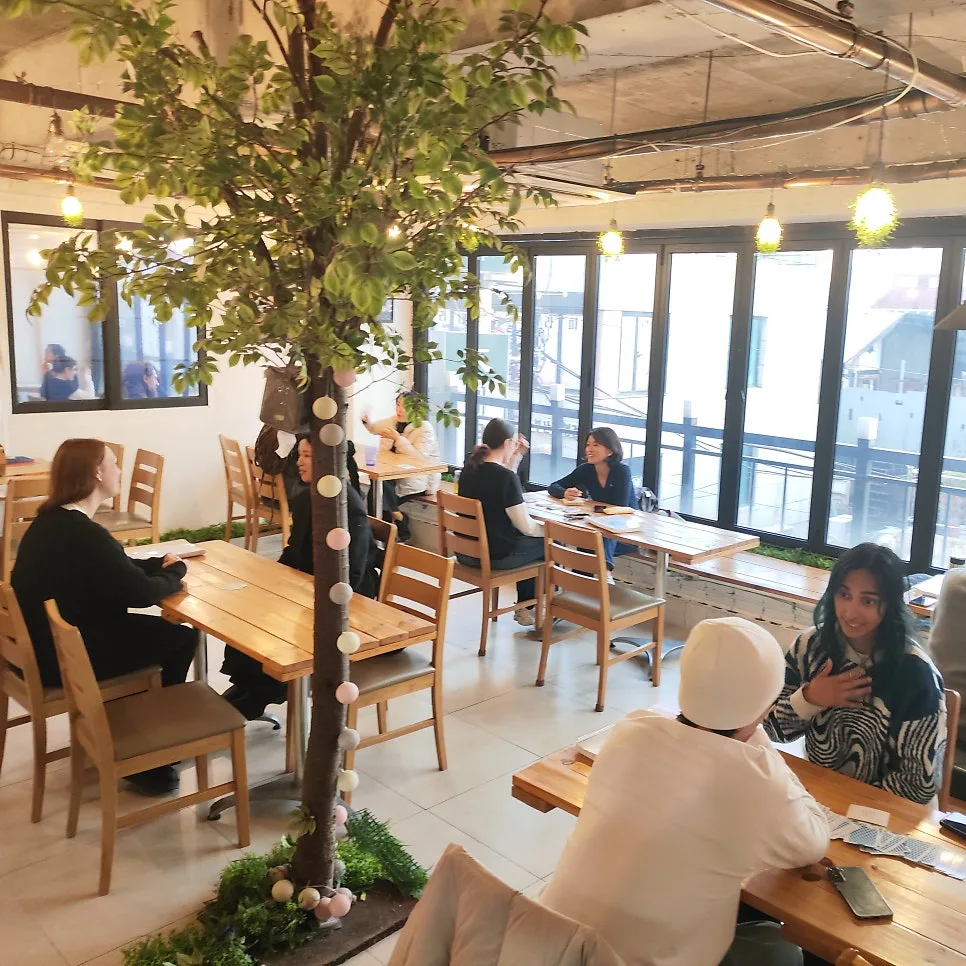
Learning Korean fast in 2026 is achievable for US-based enthusiasts through structured study, immersion, and consistent practice. The Korean language journey typically starts with mastering Hangul (the alphabet) in under a week, followed by basic phrases within a month, and progressing to conversational fluency within 6-12 months. Popular free resources like Talk To Me In Korean (TTMIK), Duolingo, and Anki flashcards provide accessible learning paths, while engaging with K-dramas and K-pop can significantly boost motivation and vocabulary acquisition.
What is the fastest way to learn Korean for beginners?

For beginners aiming to learn Korean quickly, the most effective strategy involves a multi-pronged approach that prioritizes foundational elements and consistent exposure. Start by dedicating 3-7 days to mastering Hangul, the Korean alphabet. Its phonetic nature makes it surprisingly easy to learn, and once you can read it, a vast amount of Korean content becomes accessible. Following this, focus on acquiring essential phrases and vocabulary relevant to daily conversations – aim for this within the first month. Utilize free online resources like Talk To Me In Korean (TTMIK) for structured lessons, Duolingo for gamified practice, and Anki for spaced repetition flashcards to reinforce vocabulary. Many learners find that integrating K-dramas and K-pop into their study routine not only makes learning enjoyable but also provides context for language use and cultural nuances.
How can I practice Korean speaking skills effectively in 2026?
To effectively practice Korean speaking skills, especially for those in the US, seek out opportunities for real-time conversation. Look for language exchange partners online through platforms like HelloTalk or Tandem, or join local Korean language meetups if available in your city. For those serious about structured practice, consider online Korean language academies that offer small group classes or one-on-one tutoring with native Korean speakers. These programs often focus on practical communication rather than rote memorization, helping you build confidence. Engaging with content like K-dramas and K-pop music can also be beneficial; try shadowing dialogue or singing along to lyrics to improve pronunciation and intonation. The key is consistent, active use of the language, even if it's just for a few minutes each day.
What are the benefits of learning Korean through K-dramas and K-pop?
Learning Korean through K-dramas and K-pop offers a highly engaging and culturally immersive experience that significantly accelerates the learning process for US fans. Dramas provide exposure to natural conversational Korean, including various speech levels and common idioms, within compelling storylines that keep learners motivated. K-pop songs, with their catchy melodies and repetitive lyrics, are excellent for improving pronunciation, rhythm, and memorizing vocabulary. Furthermore, engaging with these cultural exports helps learners understand Korean societal norms, humor, and emotional expressions, providing crucial context that textbooks alone cannot offer. Many learners report that their passion for their favorite idols or shows is the primary driving force behind their dedication to mastering the Korean language.
What is the TOPIK test and how can I prepare for it?
The Test of Proficiency in Korean (TOPIK) is the standardized assessment for measuring the Korean language ability of non-native speakers, widely recognized by Korean universities and employers. It consists of two main sections: TOPIK I (beginner levels 1-2) and TOPIK II (intermediate to advanced levels 3-6). Preparation involves a comprehensive study of grammar, vocabulary, reading comprehension, and listening skills. For US-based learners, resources like TTMIK offer TOPIK preparation courses, and official TOPIK practice tests are available online. Consistent study, focusing on the specific requirements of the level you aim for, and regular practice with past exam papers are crucial for success. Many learners aim for TOPIK Level 2 or 3 to demonstrate basic conversational ability and cultural understanding.
For more details, check the original source below.





