
Mastering the Korean language by 2026 is achievable with a structured approach focusing on pronunciation, vocabulary, and consistent practice. For US learners, this means leveraging resources like online courses, language exchange partners, and immersion through K-dramas and K-pop. The journey typically involves mastering Hangul (the Korean alphabet) in under a week, followed by basic phrases within a month, and progressing to conversational fluency within 6-12 months, with free tools like Duolingo and Talk To Me In Korean (TTMIK) being invaluable.
How to Improve Korean Pronunciation in 4 Weeks
Achieving noticeable improvement in Korean pronunciation within just four weeks is possible by focusing on specific phonetic challenges and engaging in consistent practice. Many US learners find that initial attempts at speaking Korean can feel awkward due to unfamiliar sounds and sentence structures. However, by actively working on these areas, such as mimicking native speakers from K-dramas or language learning apps, learners can build confidence. For instance, a structured program might involve daily drills on specific vowel and consonant sounds, followed by practicing common phrases and short dialogues. The key is to move beyond rote memorization and actively apply learned sounds in simulated conversational settings, gradually transforming hesitant speech into more natural and confident delivery.
Personalized Feedback for Better Korean Vocabulary Usage
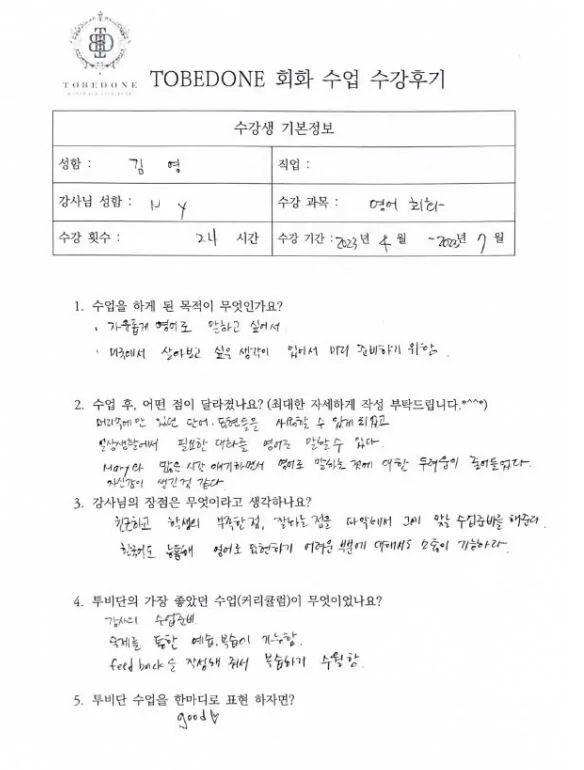
One of the most effective strategies for advancing your Korean language skills is receiving personalized feedback. Many learners, even those with a decent grasp of vocabulary, struggle to use words and phrases effectively in real conversations. This often stems from a lack of practice in constructing sentences that flow naturally or using words with the correct nuance. A good language learning program, whether online or in-person, will offer tailored feedback that identifies specific areas for improvement, such as repetitive word choices or incorrect grammatical structures. For example, a tutor might highlight instances where a more precise Korean term could be used or guide you on how to connect ideas more smoothly, significantly boosting your ability to express yourself clearly and confidently.
What's Most Important for Improving Korean Speaking Skills?
The most critical elements for improving Korean speaking skills are consistent practice and receiving accurate, constructive feedback. Simply studying grammar rules or memorizing vocabulary lists won't translate into fluency. Real progress comes from actively engaging in conversations, even if imperfectly at first. This means finding opportunities to speak Korean daily, whether through language exchange apps, online classes, or even talking to yourself. Crucially, this practice needs to be paired with feedback that helps you identify and correct errors in pronunciation, grammar, and word choice. Embracing mistakes as learning opportunities and maintaining a positive attitude are also vital for sustained progress on your journey to Korean fluency.
Common Mistakes to Avoid When Learning Korean
A common pitfall for many Korean language learners, particularly those coming from English-speaking backgrounds, is the pressure to achieve perfect grammar and pronunciation from the outset. This pursuit of perfection can lead to hesitation and a reluctance to speak, ironically hindering progress. Another mistake is focusing too heavily on passive learning, like watching K-dramas without actively practicing the language. It's essential to remember that communication is about conveying meaning, not just grammatical accuracy. Therefore, learners should be encouraged to speak even if they make mistakes, and to focus on clarity and confidence. Utilizing resources that provide structured practice and feedback, like Talk To Me In Korean or dedicated language apps, can help overcome these common hurdles.
For more detailed insights into the learning journey, refer to the original source.





