
Struggling to speak Korean fluently despite years of study? The key isn't memorization, but active 'usage' and engaging in activities that mimic real conversations. Focusing on practical application is crucial for rapid improvement.
Why Isn't My Korean Improving After Years of Study? (2026 Update)
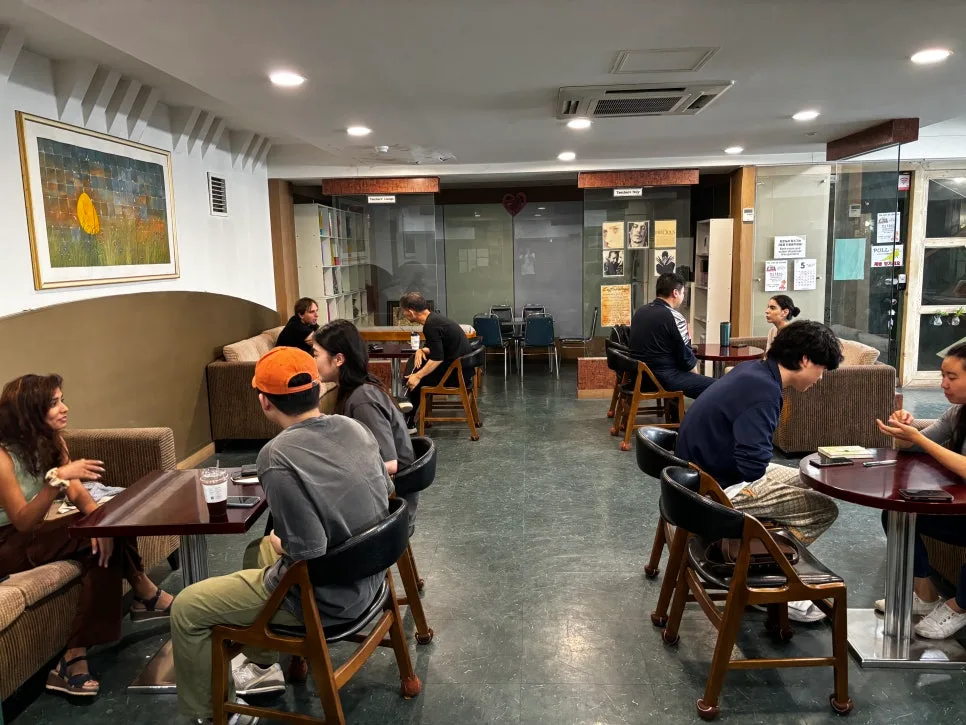
Many learners find themselves fluent in reading and writing Korean, or scoring well on TOPIK, but freeze up when trying to speak with a native. This happens because language acquisition isn't just about accumulating knowledge; it's about practical application. Think of it like passing a driving theory test versus actually driving a car. The more you 'use' the language in contexts similar to real-life conversations, the faster your fluency will grow. Dr. Stephen Krashen's input hypothesis highlights the importance of comprehensible input, but for many Korean learners, the real bottleneck is 'output' – speaking practice. Therefore, prioritizing activities that closely resemble actual conversations is the most effective strategy for rapid fluency gains.
What's the Priority for Improving Korean Speaking Skills?
The most effective way to boost your Korean speaking skills is by prioritizing activities that mirror real-life communication. Based on the core components of spoken language – being 'Korean,' 'spoken,' 'productive,' and 'interactive' – we can rank learning methods. The absolute top priority is engaging in actual 'conversations' with native speakers. Following that, 'speaking' practice sessions offer high productivity. 'Writing' is also productive but lacks interactivity, while 'listening' is crucial for comprehension but is a receptive skill. 'Reading' shares the 'Korean' aspect but is not spoken, and 'grammar' study, while foundational, has the least direct impact on spontaneous speaking. To accelerate your Korean learning, dedicate the majority of your study time to activities that most closely simulate real conversations.
Why is a Real Korean Usage Environment So Important?
The core of improving Korean fluency lies in 'using' the language, not just studying it. Moving beyond traditional grammar-heavy methods, it's essential to create an environment that encourages immediate language use. This means fostering a space where trying to speak is encouraged, even if mistakes are made. Small group classes or one-on-one sessions are ideal because they maximize opportunities for each student to speak. Unlike large lectures where speaking time is limited, these settings naturally increase your chances to practice. Consistent practice in such an environment will lead to a surprising increase in your ability to express yourself in Korean, much like how repeated practice builds confidence and skill in driving.
What Should Beginners Be Cautious About When Learning Korean?
When aiming to improve your Korean speaking skills, the most critical factor is increasing your 'usage' time. Instead of solely focusing on grammar rules or TOPIK scores, dedicate more time to activities that mimic real conversations. Korean learners often lack sufficient speaking practice, so consciously increasing your time spent speaking Korean is vital. Overcoming the fear of making mistakes and actively attempting to communicate is key. Consistent practice through small group classes or one-on-one coaching is highly effective. Choosing a learning program that offers personalized instruction tailored to your specific level will significantly aid your progress.
What's a Smart Learning Strategy for Korean Beginners?
Even as a complete beginner, you can effectively improve your Korean speaking abilities. Start by taking a detailed level test to accurately assess your current proficiency. This ensures you begin at the right stage and build your skills systematically. Opt for classes structured as one-on-one or small groups (up to 3 students) to maximize your speaking opportunities. Flexibility in scheduling is also a plus, allowing you to adjust your study time to your personal routine. With consistent practice in such an environment, you'll soon find yourself conversing naturally in Korean.
For more details, check the original source below.





