Learning Korean fast in 2026 means shifting from rote memorization to practical conversation. The key is immersing yourself in a speaking-focused environment that prioritizes real-world dialogue over just test scores. This guide reveals how to achieve conversational fluency efficiently, even if you're a complete beginner.
Why is 'Speaking Korean' the Real Goal for Learners?
Many Korean language learners, especially those aiming for conversational fluency, hit a wall. They might score well on exams like TOPIK (Test of Proficiency in Korean) but freeze up when trying to speak with native speakers. This disconnect often stems from a learning approach that emphasizes grammar rules and vocabulary lists over actual speaking practice. In 2026, the focus is shifting towards practical application – using Korean for travel, business, or connecting with K-culture. True fluency comes from actively speaking, making mistakes, and learning from those interactions, rather than just passively absorbing information. For US learners, this means seeking out resources that facilitate consistent speaking opportunities.
What Makes a 'Speaking-Focused' Korean Learning Environment Different?
Traditional language classes often involve large groups where individual speaking time is limited. The instructor might spend most of the class explaining grammar or going through textbook chapters, leaving little room for students to practice. This can be particularly challenging for busy professionals or students who are already tired after a long day. However, specialized Korean language learning centers, especially those offering small group or one-on-one sessions with native speakers, create a different dynamic. In these settings, typically with 1-3 learners per instructor, everyone is encouraged and expected to participate actively in conversations. This immersive approach helps learners internalize the language more naturally, moving beyond 'studying' Korean to truly 'acquiring' it.
What Are the Benefits of a 'Language Acquisition' Approach?
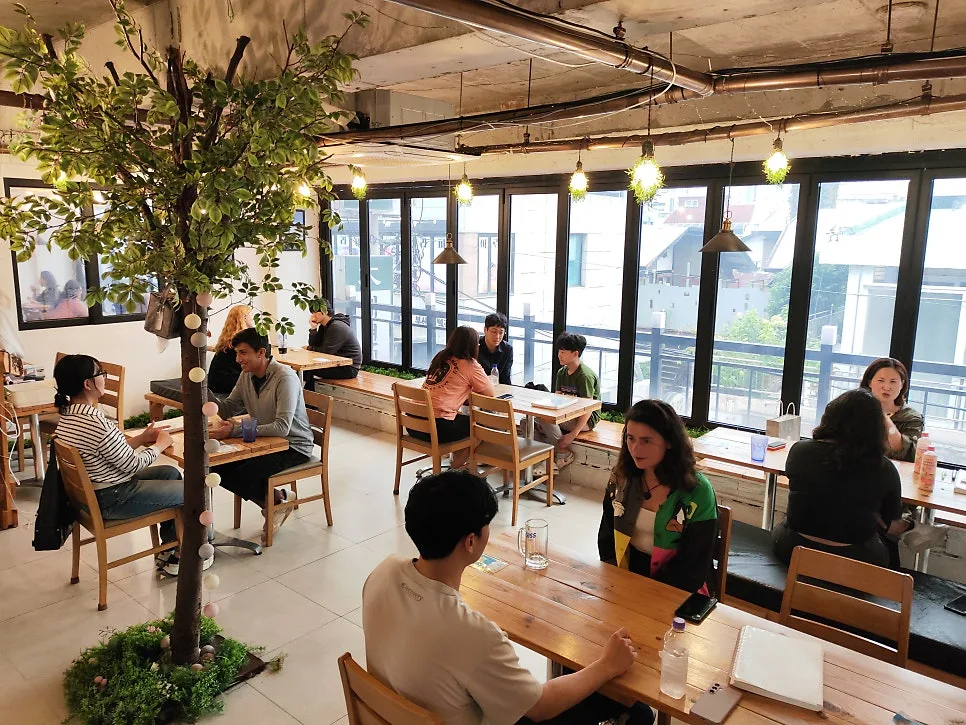
Programs focused on practical conversation, like those offered by Talk To Me In Korean (TTMIK) or similar platforms, center their lessons around everyday topics. Discussions might cover work life, hobbies, travel, or popular K-culture trends. This allows learners to immediately apply new vocabulary and phrases in a relevant context, reinforcing their learning through repeated use. This method is especially effective for those who feel they 'know' Korean but can't 'speak' it. The community-like atmosphere in many of these learning environments also reduces the fear of making mistakes, encouraging more frequent and confident speaking. This naturally fosters an environment where speaking Korean becomes less of a chore and more of an enjoyable habit.
How Can You Maximize Korean Exposure Without Traveling Abroad?
For US-based learners who can't easily travel to Korea for an immersive experience, there are effective ways to maximize Korean language exposure domestically. Many online platforms and local language centers now offer 'domestic immersion' programs. By engaging in daily conversations with native speakers, practicing with diverse accents, and consistently using the language, Korean can transition from a subject you study to a habit you practice. Small group classes ensure that each student gets ample speaking time, providing the confidence that their turn to speak will come. This consistent practice is crucial for building the muscle memory needed for fluent speech.
For more details on effective Korean learning strategies, check the original source.





