Mastering the Korean language in 2026 is achievable for busy US learners, even alongside demanding schedules like a full college course load. Online platforms offer structured 1:1 lessons, focusing on practical conversation skills and real-time feedback to boost fluency efficiently. This guide breaks down how to effectively learn Korean, from mastering Hangul to achieving conversational confidence.
Why Start Learning Korean in 2026?
The global fascination with Korean culture, fueled by K-dramas, K-pop, and Korean cinema, has ignited a surge in English speakers wanting to learn the Korean language. For US learners, the journey often begins with the Korean alphabet, Hangul, which is remarkably logical and can be learned in as little as 3-7 days. Following this, basic phrases and grammar structures can be acquired within a month, paving the way for conversational fluency within 6-12 months. Resources like Talk To Me In Korean (TTMIK), Duolingo, and Anki flashcards offer accessible entry points, while dedicated online tutors provide the crucial element of real-time practice and feedback. This structured approach makes learning Korean more attainable than ever for Americans.
How to Achieve Conversational Korean Fluency
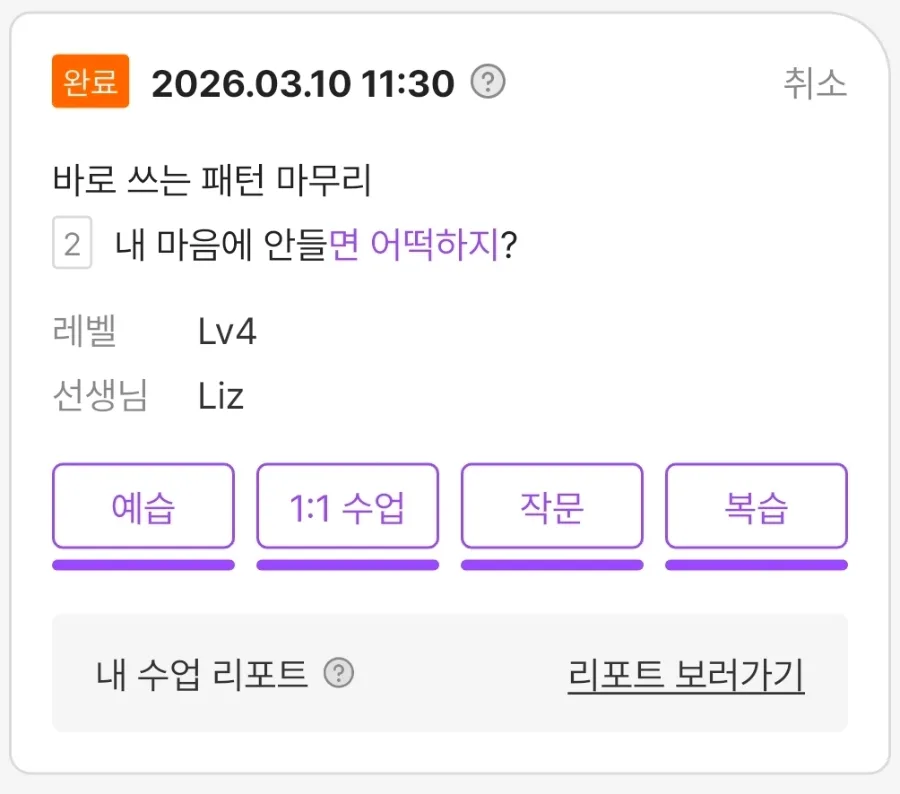
To truly achieve conversational fluency in Korean, a multi-faceted approach is key. Start by dedicating a week to mastering Hangul (한글), the Korean alphabet. This foundational step is crucial for pronunciation and reading. Next, focus on high-frequency vocabulary and essential grammar patterns. Many learners find success using resources like TTMIK for structured lessons or Duolingo for daily practice. The real breakthrough, however, comes from consistent speaking practice. Engaging in 1:1 online tutoring sessions, even for just 20 minutes daily, provides invaluable real-time feedback and exposure to natural conversational flow. Platforms often offer systems that allow for easy scheduling and review, ensuring you can integrate learning seamlessly into your routine, whether you're a student balancing classes or a professional seeking to upskill.
What Are the Best Resources for Learning Korean?
For US-based Korean language learners, a blend of free and paid resources can accelerate progress. Free options like Duolingo offer gamified learning for vocabulary and basic sentence structure, while Talk To Me In Korean (TTMIK) provides comprehensive, free audio and PDF lessons covering grammar from beginner to advanced levels. For structured speaking practice, online platforms offering 1:1 lessons are highly recommended. These services often provide native Korean tutors who can offer real-time corrections and teach practical, everyday expressions. Tools like Anki flashcards are excellent for vocabulary retention. For those serious about formal proficiency, preparing for the TOPIK (Test of Proficiency in Korean) exam can provide a clear learning roadmap and a tangible goal.
Who Should Consider Learning Korean?
Learning Korean is an enriching experience for anyone fascinated by Korean culture. K-pop fans can deepen their connection by understanding lyrics and fan content, while K-drama enthusiasts can enjoy shows without relying solely on subtitles. For aspiring travelers to Seoul, knowing basic Korean phrases significantly enhances the travel experience. Furthermore, many Americans are exploring Korean language learning for career advancement, particularly in fields with growing ties to South Korea. The logical structure of Hangul and the availability of numerous online learning tools make it an accessible language for English speakers, regardless of their prior language learning experience. It's an investment in cultural understanding and personal growth.
For more details, check the original source below.





