
Ready to finally master the Korean language in 2026? The fastest way to fluency is by focusing on practical speaking skills, similar to how you'd prepare for a trip or a new job. Start with mastering Hangul (the Korean alphabet) in about a week, then move to basic phrases within a month, and aim for conversational fluency within 6-12 months using resources like Talk To Me In Korean (TTMIK) and Duolingo.
What's the Fastest Way to Learn Korean for Beginners in 2026?
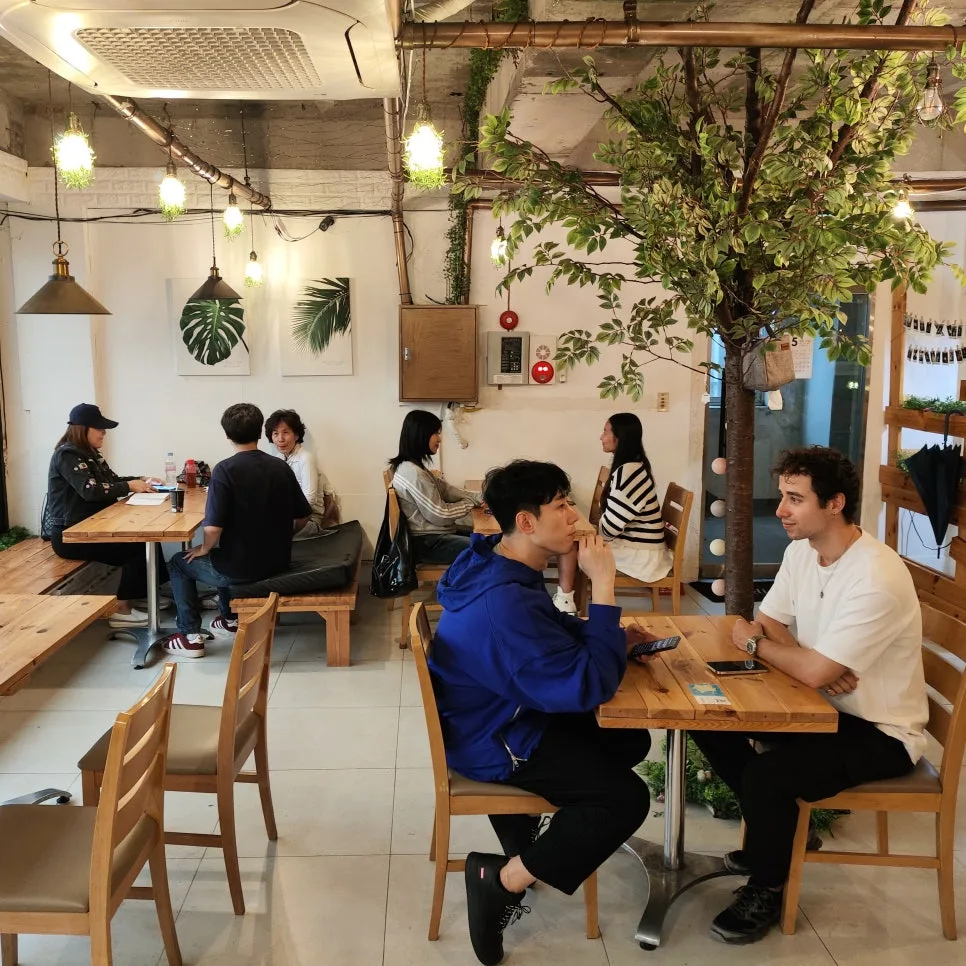
For beginners aiming for fluency, the key is consistent, practical application. Start by dedicating 3-7 days to learning Hangul, the Korean alphabet. This phonetic system is surprisingly easy for English speakers to grasp and will unlock reading Korean. Once you can read, focus on essential phrases for everyday situations – greetings, ordering food, asking for directions. Many learners find success with online resources like Talk To Me In Korean (TTMIK), which offers structured lessons from beginner to advanced levels, or Duolingo for gamified practice. The goal is to build a foundation for conversational Korean within the first month, setting you up for intermediate fluency within 6-12 months of dedicated study.
How Can K-Dramas and K-Pop Help You Learn Korean?
Leveraging your passion for K-dramas and K-pop is a highly effective strategy for learning Korean. Watching your favorite shows with Korean subtitles (or even without, if you're brave!) exposes you to natural dialogue, common expressions, and cultural nuances. K-pop lyrics, when studied closely, can teach you vocabulary, grammar, and pronunciation. Many fans use apps like Anki to create flashcards from song lyrics or drama scripts. This immersive approach makes learning feel less like a chore and more like a hobby. You can find fan-made lyric translations and explanations on YouTube or dedicated K-pop fan sites, turning your entertainment into a powerful learning tool.
What Are the Best Free Resources for Learning Korean Online?
Fortunately, you don't need to break the bank to learn Korean. Several excellent free resources are available online for US learners. Talk To Me In Korean (TTMIK) offers a vast library of free podcasts and PDF lessons covering grammar and vocabulary from beginner to advanced. Duolingo provides a gamified approach to learning basic vocabulary and sentence structure. For vocabulary building, apps like Anki allow you to create and share digital flashcards, perfect for memorizing new words and phrases encountered in dramas or songs. YouTube channels dedicated to teaching Korean, such as KoreanClass101 or Go Billy Korean, also offer free video lessons and cultural insights.
How Long Does It Actually Take to Become Conversational in Korean?
Becoming conversational in Korean typically takes between 6 to 12 months of consistent study, depending on your dedication and learning methods. This timeline assumes you're actively engaging with the language daily, perhaps 30-60 minutes. The initial stage involves mastering Hangul (3-7 days) and basic phrases (1 month). After this, you'll focus on expanding vocabulary and grammar through resources like TTMIK or K-drama immersion. The key to reaching conversational fluency is consistent practice – speaking, listening, and trying to think in Korean as much as possible. While fluency is a journey, achieving a comfortable level of conversation within a year is a realistic goal for dedicated learners.
For more details on learning Korean, check the original source below.





