
Learning Korean fast in 2026 is achievable for US learners by focusing on foundational elements like Hangul (the Korean alphabet) and basic phrases, aiming for conversational fluency within 6-12 months. Utilize free resources like Talk To Me In Korean (TTMIK), Duolingo, and Anki flashcards, and leverage K-dramas and K-pop to make the process engaging and effective, just as many US fans do.
How Long Does It Actually Take to Learn Korean?
For American learners, the timeline to learn Korean varies, but a structured approach can accelerate progress. Mastering Hangul typically takes 3-7 days, providing a crucial foundation. Building basic conversational phrases might take about a month of consistent study. Achieving genuine fluency, where you can comfortably discuss various topics and understand nuances, generally requires 6-12 months of dedicated practice. Many US-based learners find that integrating Korean language study with their passion for K-dramas and K-pop significantly boosts motivation and retention. Platforms like TTMIK offer structured courses, while Duolingo provides gamified daily practice, and Anki flashcards are excellent for memorizing vocabulary and grammar points. The key is consistent exposure and active use of the language, mirroring how native speakers communicate.
What's the Best Way to Learn Korean for Beginners?
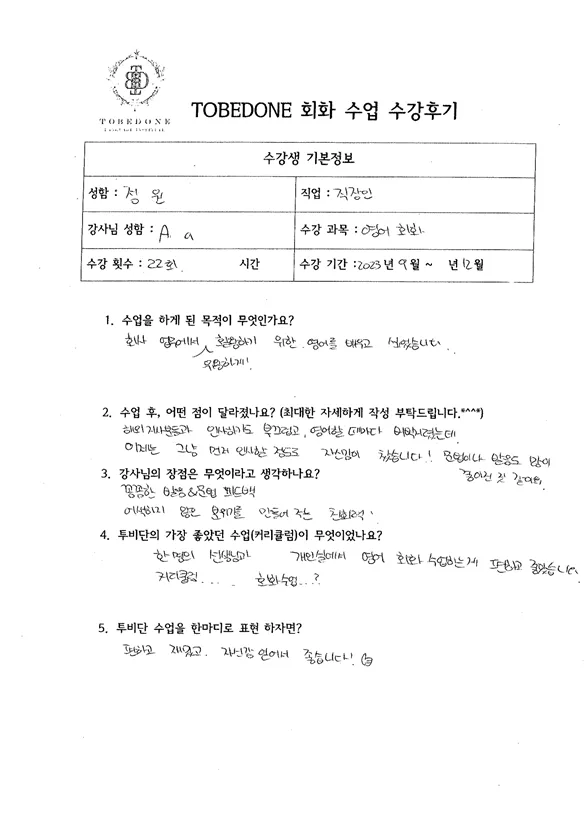
The most effective way for beginners to learn Korean in 2026 is to start with the Korean alphabet, Hangul, which is remarkably logical and easy to learn. Once you can read Hangul, focus on acquiring essential phrases for daily life and travel, such as greetings, asking for directions, and ordering food. Many US learners find success by using a combination of resources: Talk To Me In Korean (TTMIK) offers comprehensive lessons from beginner to advanced levels, often explaining grammar in an accessible way. Duolingo is great for daily practice and vocabulary building, making learning feel like a game. For serious memorization, Anki flashcards are invaluable for drilling vocabulary and sentence structures. Consider enrolling in online Korean classes or finding a language exchange partner online to practice speaking and receive feedback, similar to how one might prepare for a trip to Seoul.
How Can K-Dramas and K-Pop Help You Learn Korean?
K-dramas and K-pop are powerful, engaging tools for US-based Korean language learners. Watching K-dramas provides exposure to natural conversational Korean, including slang, common expressions, and cultural context that textbooks often miss. Start with subtitles in English, then switch to Korean subtitles, and eventually try watching without them. K-pop songs, with their catchy melodies and repetitive lyrics, are excellent for vocabulary acquisition and improving pronunciation. Many fans create lyric sheets, translate songs, and even participate in fan communities dedicated to understanding the lyrics. This immersion method makes learning feel less like a chore and more like a hobby, significantly boosting motivation and retention. It’s a fun way to learn Korean that resonates deeply with the US K-culture fanbase.
What Are Common Mistakes When Learning Korean and How to Avoid Them?
When learning Korean, US students often encounter common pitfalls. One frequent issue is the misuse of prepositions and incorrect verb conjugations (tenses), which are crucial for grammatical accuracy. Another challenge is pronunciation; Korean has sounds that don't exist in English, and learners might struggle with subtle differences. Some learners also experience a dip in confidence, especially during advanced pronunciation correction phases, feeling discouraged by mistakes. To avoid these, consistent practice and review are essential. Actively work on grammar exercises, and don't be afraid to practice speaking aloud, even if you make errors. Seek feedback from native speakers or tutors, and remember that making mistakes is a natural part of the learning process. Persistence is key to overcoming these hurdles and achieving fluency.
For more details, check the original source below.





