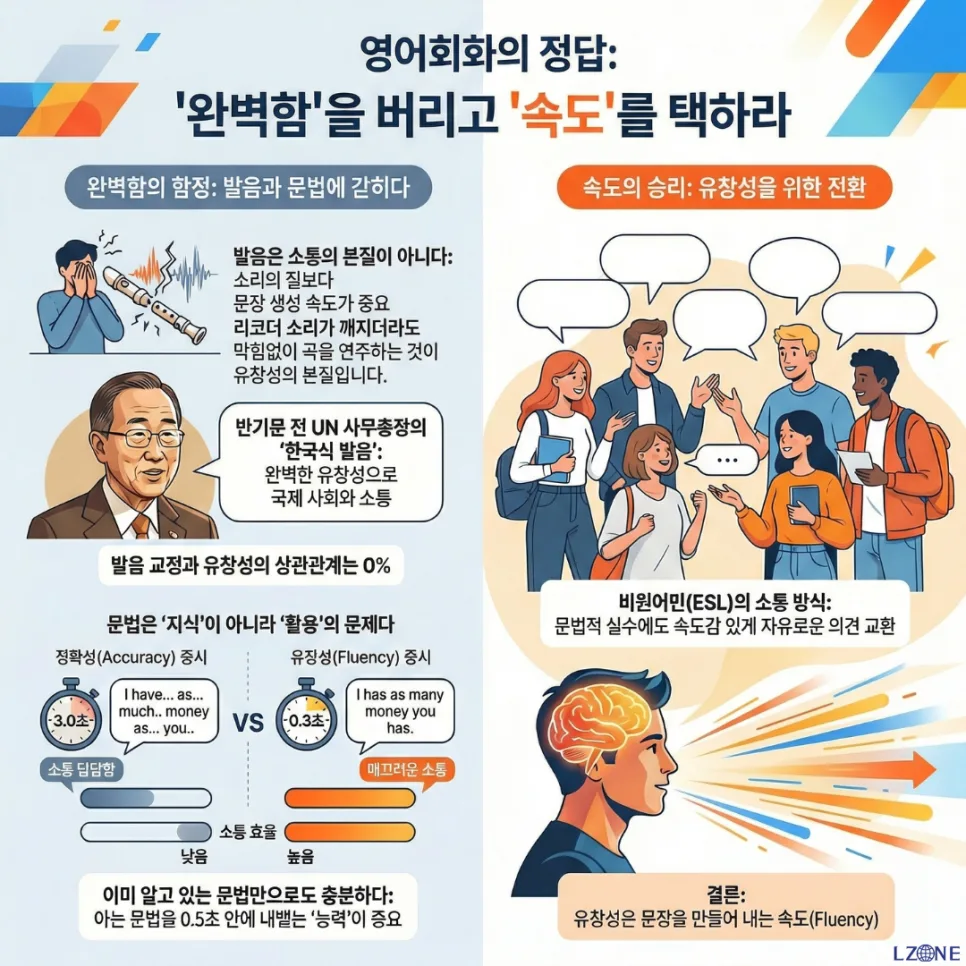
Learning the Korean language can feel daunting, but mastering conversational skills is achievable within 6-12 months with the right approach. Focus on practical application through immersion, like daily conversations with native speakers, rather than solely on test scores. Resources like Talk To Me In Korean (TTMIK), Duolingo, and Anki flashcards offer free pathways, while engaging with K-dramas and K-pop can significantly boost motivation and vocabulary acquisition for US learners.
Why is learning conversational Korean so popular with US learners in 2026?
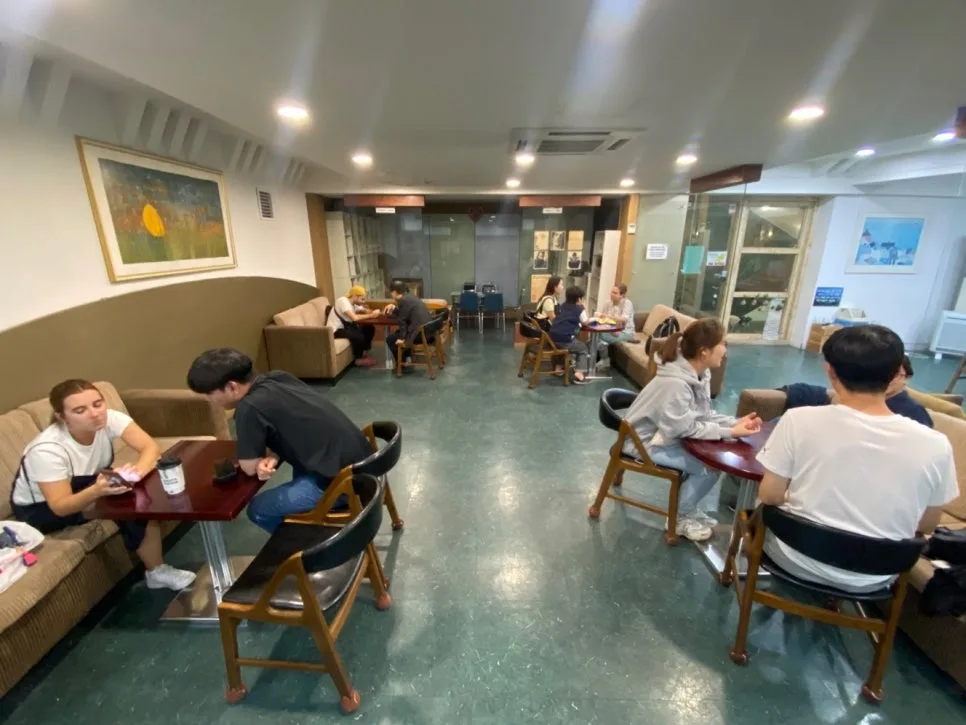
Many US learners achieve high scores on standardized tests like TOPIK but struggle to hold real conversations with native Korean speakers. This gap highlights the growing demand for practical, 'usable' Korean that goes beyond grammar drills. Whether for travel, business, or connecting with Korean culture through K-dramas and K-pop, English speakers increasingly seek fluency for real-world application. The Korean Wave (Hallyu) continues to fuel interest, making conversational Korean a valuable skill. Immersive learning environments, even within the US, are key to bridging the gap between theoretical knowledge and practical speaking ability. This involves actively listening, speaking, and receiving feedback in authentic conversational contexts.
How can US learners effectively 'acquire' Korean like a native speaker?
Traditional language classes often involve passive listening to lectures, limiting actual speaking time. Effective Korean acquisition, however, requires active participation in small group settings with native speakers. This mimics the immersive experience of studying abroad, allowing learners to adapt to real conversation speeds, nuances in pronunciation and intonation, and non-verbal cues like facial expressions. By engaging in daily dialogues on relevant topics—such as work, hobbies, travel, or K-pop—learners naturally absorb the language. This approach transforms learning from a chore ('studying') into an organic process ('acquisition'), building confidence and practical fluency without the need for expensive overseas programs.
What are the benefits of a small group, in-person Korean learning environment for US students?
Studying Korean abroad offers significant immersion benefits but comes with substantial costs and logistical challenges for Americans. LanCul (랭컬) provides a comparable immersive experience domestically, offering daily face-to-face communication with native Korean speakers. This consistent exposure helps make Korean a daily habit rather than just a subject to study. The process involves actively using Korean in real-time, receiving immediate corrections and suggestions for more natural phrasing from native instructors, and repeating the cycle. This iterative practice is crucial for overcoming the common hurdle of 'knowing' the language but being unable to speak it fluently, effectively maximizing real-world Korean exposure without leaving the US.
What should US learners understand about focusing on conversational Korean?
It's important for US learners to understand that prioritizing conversational fluency means the primary goal isn't necessarily a high score on a specific test like TOPIK. While conversational practice can certainly improve performance on speaking-based exams and overall communication skills, achieving top scores on grammar-heavy or reading-focused tests might require supplementary, targeted study. LanCul's methodology is designed for practical application, helping learners build confidence and the ability to communicate effectively in everyday situations. For absolute beginners, these programs offer a supportive environment to start their Korean journey, focusing on building foundational speaking skills and gradually increasing complexity based on individual progress and learning pace.
English crawl path
Next English reads from this pilot cluster
Continue through the category hub, latest English stories, and related posts so this translated article is not an isolated URL.
Tags
💬Frequently Asked Questions
Can absolute beginners learn conversational Korean effectively?
How can busy US professionals learn Korean with flexible schedules?
Does focusing on conversational Korean help with test scores?
English discovery path
Explore more English K-culture stories
Keep browsing the indexed English pilot cluster so Google and readers can move between this story, the category hub, and fresh discovery pages.
Original Source
Read the Korean original





