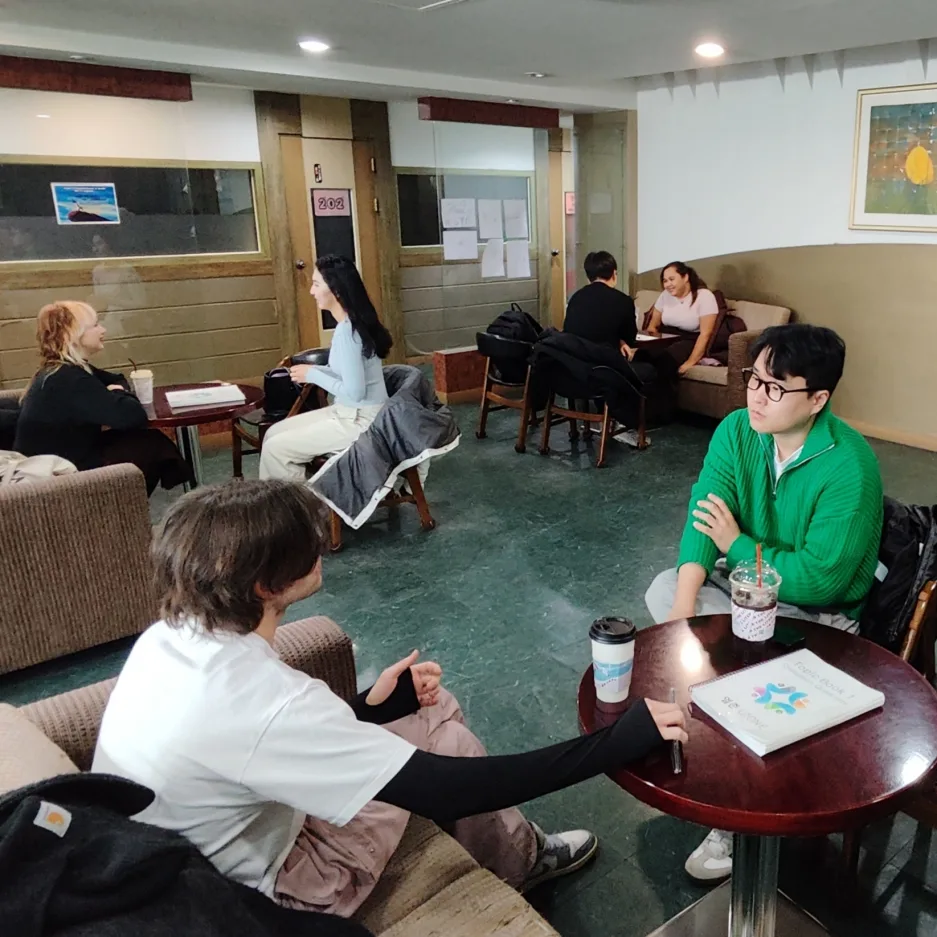
Learning Korean as an adult is absolutely achievable, regardless of age. The key isn't your birth year, but your learning method. Focus on increasing real speaking practice in an environment that encourages mistakes, like small group classes with native tutors. Programs like LanCul offer daily 1-hour sessions for around $150-200 USD per month, making consistent learning accessible.
Is Age Really a Barrier to Learning Korean?
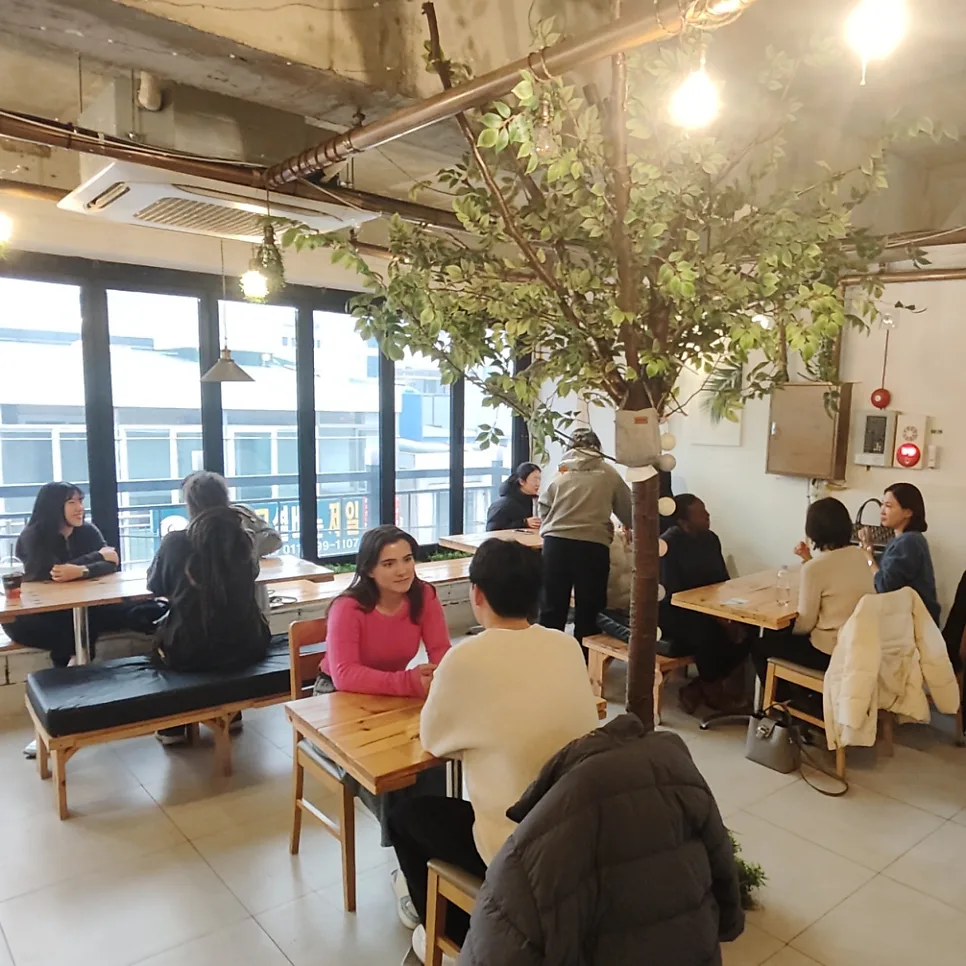
Many adults hesitate to learn Korean, thinking, "I'm too old to start now." This concern is common for those in their late 20s, 30s, 40s, and beyond. However, experienced adult learners often begin with these same doubts. While subconscious absorption like children is difficult, adults possess clear learning goals and strong motivation. Leveraging existing language knowledge and superior contextual understanding, adults can achieve practical conversational skills faster and more effectively with the right approach. Recent studies support this potential in adult learners.
What's an Effective Korean Learning Environment for Adults?
The learning methods that work for children don't always translate directly to adults. While grammar and vocabulary drills can boost test scores, they have limitations for real-world conversation. Common adult struggles like understanding spoken Korean but being unable to reply, mentally translating sentences before speaking, or failing to prepare a response while listening, stem from a lack of real-time speaking practice. Therefore, an ideal adult learning environment prioritizes: ▲sufficient speaking time for the student, ▲an atmosphere that accepts mistakes, and ▲realistic sustainability (time, cost, location). Environments where students speak more than the instructor and can practice freely without fear of errors are crucial.
Why is LanCul Gaining Attention for Adult Korean Learning?
LanCul is frequently mentioned for its adult Korean language programs, particularly in areas like Busan. LanCul offers 1:1 or small group (up to 1:3) sessions with native tutors, focusing on maximizing student speaking time. They cover diverse topics from daily life and work situations to travel and current events, tailored to the student's level and interests. This structure means minimal downtime; conversations begin immediately. With branches conveniently located near subway stations in Busan (Busan National University and Kyungsung University/Pukyong National University areas), it's accessible for busy professionals and homemakers. This setup makes a significant difference in practical speaking ability.
When Will You Feel Your Korean Fluency Improving?
It's normal to feel little change in the first week or two of learning Korean. However, those who persist consistently report common moments of breakthrough. These include when English words come to mind instantly without mental translation, when you approach and speak to a foreigner first, or when you lose track of time while conversing in Korean. These aren't dramatic shifts but signs that Korean is naturally integrating into your daily life. The timeline varies, but the common thread is consistent speaking practice in an encouraging environment that embraces mistakes.
What About the Real Costs and Time Commitment for Adult Korean?
The biggest practical hurdles for adult Korean learners are often cost and time. LanCul's small group sessions offer daily 1-hour classes with native tutors for around $150-200 USD per month. This price point for daily native speaker interaction is rare, especially in Busan, and helps reduce the financial strain that can interrupt learning. Time-wise, the 1-hour daily structure is flexible; you can increase it if desired or maintain the minimum on busy days. This allows for seamless integration into your routine. While individual progress varies, consulting with an instructor can help you create a personalized learning plan.
For more details, check the original source below.





