
Want to level up your English conversation skills with slang and acronyms that native speakers actually use? This guide breaks down essential, up-to-date expressions and shows you how to integrate them naturally into your daily chats, making your English sound more authentic and fluent by 2026.
How to Learn English Slang Like a Native Speaker in 2026
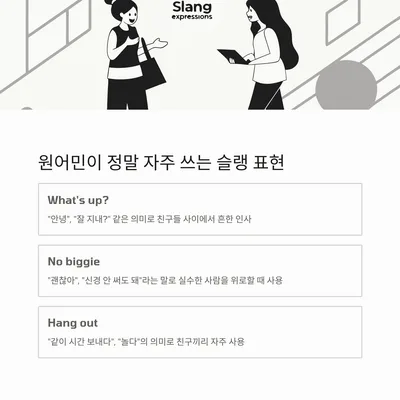
Beyond textbook phrases, mastering authentic English expressions is key to connecting with native speakers. Slang, in particular, injects personality and warmth into conversations, moving beyond simple vocabulary to build rapport. For instance, 'What's up?' is far more common as a casual greeting akin to 'Hey!' or 'How's it going?' than a literal 'What is happening?'. Similarly, 'No biggie' offers a friendly way to dismiss a mistake, meaning 'It's okay' or 'Don't worry about it.' 'Hang out' extends beyond just 'associating' to mean spending casual time together, perfect for friend group plans. 'Bummer' is a useful term to express disappointment when things don't go as expected. Practicing these phrases with the right intonation, just as native speakers do, transforms rote memorization into expressive communication. Many learners report feeling a significant improvement in their conversational fluency after consistent practice with these types of real-world expressions.
When and How to Use English Acronyms in Real Life
English acronyms are your best friend for quick and efficient communication, especially in text messages and online chats. For example, 'OMG' (Oh my God) expresses a wide range of emotions from surprise to excitement, with its meaning often conveyed through tone. 'BRB' (Be right back) is a standard way to signal a brief absence in a chat. 'FYI' (For your information) is frequently used in emails and messages to share information casually. 'IDK' (I don't know) offers a concise way to express uncertainty. It's crucial to practice these acronyms in context, understanding the difference between chat usage and spoken conversation. 'ASAP' (As soon as possible) conveys urgency, while 'LOL' (Laughing out loud) adds a touch of humor. Mastering these not only speeds up communication but also helps you understand the nuances of informal English digital communication.
Why Learning English Slang and Acronyms Matters in 2026
Acquiring slang and acronyms goes beyond expanding your vocabulary; it fosters deeper connections with native English speakers. Slang adds humor and personality, breaking down formality and creating a more relaxed atmosphere. Acronyms save time and effort, especially in fast-paced conversations. Furthermore, using these expressions naturally signals a higher level of cultural understanding. Programs like those offered by New English offer structured learning paths that go beyond simple memorization. They focus on contextual application through listening exercises, conversational practice, comparative quizzes, and even speaking missions, ensuring you can integrate these terms smoothly into your own speech.
Common English Slang and Acronyms: A Usage Guide
Here's a list of frequently used English slang and acronyms, along with examples to guide your practice. Integrating these into weekly speaking challenges can help ensure they come to mind instinctively during conversations.
- YOLO (You only live once): Use this to encourage yourself or others to take a spontaneous action or try something new.
- TBH (To be honest): Precede your candid opinion with this phrase to signal honesty.
- ASAP (As soon as possible): Use when you need something done with urgency.
- LOL (Laughing out loud): A common reaction to something funny or a lighthearted joke.
- TMI (Too much information): Employ this when someone shares overly personal or unnecessary details.
Important Considerations When Learning Slang and Acronyms
While incredibly useful, there are a few caveats to using slang and acronyms. Firstly, they aren't suitable for every situation; formal settings or professional presentations call for standard English. Secondly, the meaning and popularity of slang can shift rapidly with trends and regional differences, so staying updated is key. What was cool yesterday might be outdated today. Lastly, acronyms are primarily for informal, spoken, or digital communication and are generally inappropriate for formal writing. Understanding the context—who you're talking to, the setting, and the topic—is crucial for effective and appropriate use. If in doubt, asking a native speaker or language exchange partner for advice is always a good strategy.
For detailed practice methods, explore the official New English website.





