Many people struggle to improve their English skills, especially when trying to find immersive learning environments. However, with the right approach and setting, it's possible to achieve an immersive learning experience comparable to studying abroad, right here in the US. This guide shares a real-life experience of significantly boosting English proficiency through a domestic share house, even while working full-time, and reveals the secrets to this effective method.
What is a Domestic English Immersion Share House?
The biggest hurdle to consistent English study is the lack of a regular environment to practice speaking. After attending classes, returning home often means reverting to speaking only your native language, making progress slow. Studying abroad presents significant time and financial challenges. That's where the concept of 'domestic immersion programs,' particularly living in a share house with international roommates, became a game-changer for my English journey. On my first day, my Australian roommate warmly welcomed me, saying, “Welcome home!” The conversations we had in English while preparing dinner together were unforgettable. Initially, I was nervous, but my international friends were attentive and kindly corrected my mistakes, making me feel comfortable quickly. It was an exciting and immersive experience, much like the first day of studying abroad.

How to Naturally Integrate English into Daily Life?
Related Articles
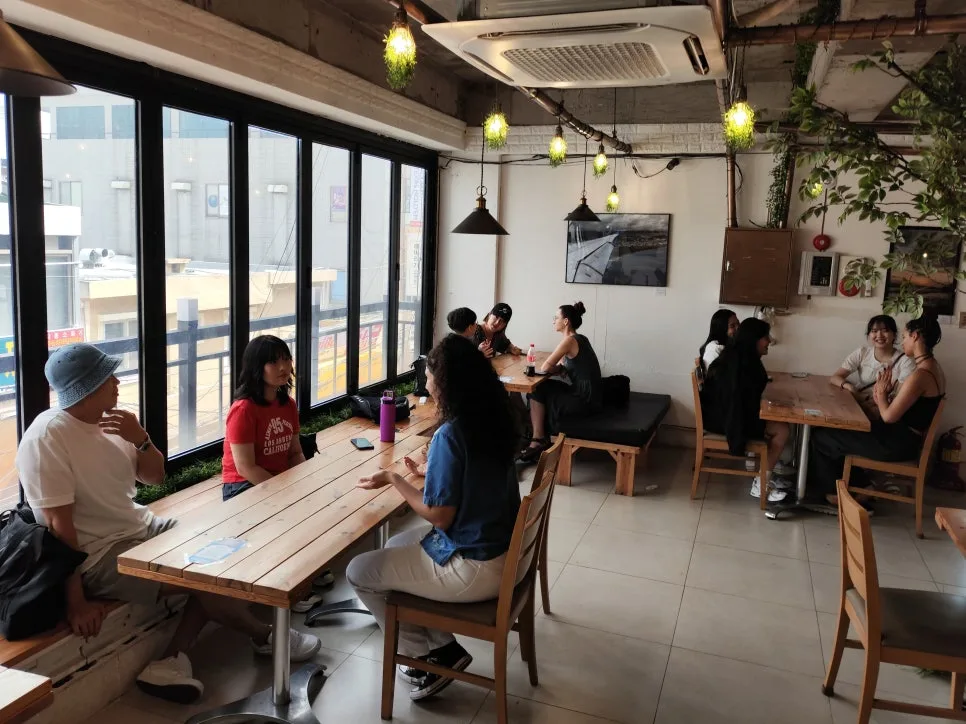
The greatest appeal of this program is that English becomes a 'part of life' rather than just 'study.' From a casual “Did you sleep well?” over morning coffee to requesting “Can you pass me the butter?” at the dinner table, every moment becomes a natural English learning opportunity. I particularly recall making Korean food with my German roommate. We communicated in English throughout the entire process of preparing ingredients for Kimchi Jjigae. Learning practical phrases like “Let’s slice the tofu” or “It’s boiling, turn down the heat” in real-time made words and expressions from books flow naturally from my mouth.
What are the Benefits of Domestic Immersion Programs That Can Be Balanced with Work?
One of the main reasons I chose this program was its flexibility to be balanced with my full-time job. Studying abroad typically requires a commitment of several months, which is often unrealistic for working professionals. However, domestic immersion programs allow you to work during weekdays and then engage with international housemates in English after work. On weekends, I explored local attractions with my roommates, conversing in English, which greatly enhanced my practical language skills. The necessity of explaining and communicating everyday activities in English naturally led to acquiring new vocabulary and expressions.
How Does the Cost-Effectiveness Compare to Studying Abroad?
Studying abroad often incurs costs exceeding $7,000-$10,000 USD when factoring in flights, tuition, accommodation, and living expenses. In contrast, domestic immersion programs offer a significantly more reasonable cost for a comparable or even more effective immersive learning experience. While specific program costs vary, the financial burden is substantially reduced, making it an accessible option for many Americans looking to improve their English.
How Did Your English Skills Improve?
Before the share house experience, I felt hesitant to speak in meetings or express my opinions, often relying on written communication. However, living with international roommates and constantly using English in daily life significantly reduced my fear of speaking. I became more confident in expressing myself, even in professional settings. This newfound confidence was reflected in my OPIC (an English proficiency test) score, which saw a marked improvement. The program not only enhanced my language skills but also boosted my overall confidence in using English.





