
Did you know that learning English through animated movies like Kung Fu Panda 2 can significantly boost your practical language skills? This guide breaks down key dialogue from the film, offering actionable phrases for everyday conversations and effective strategies to maximize your English learning. We'll focus on expressions that help you understand character interactions and emotions, making your learning journey more engaging and effective.
Why Kung Fu Panda 2 is Great for Learning English
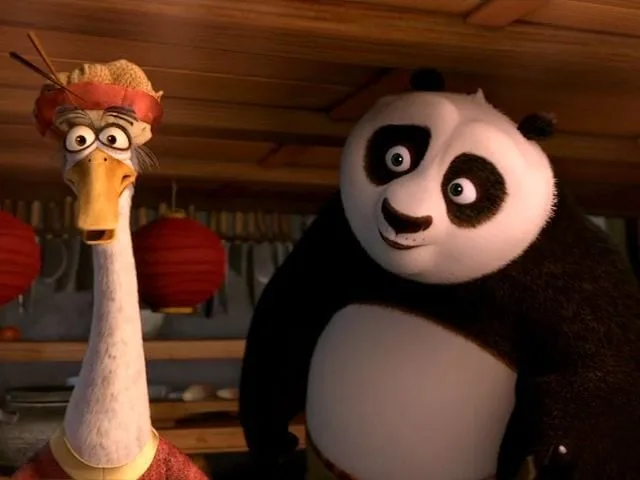
Animated films offer a powerful dual approach to language learning, combining visual and auditory elements for natural language acquisition. Kung Fu Panda 2, with its compelling story and diverse characters, provides an ideal platform to absorb English expressions organically. The dialogue is rich with colloquialisms and idioms commonly used in daily life, making it incredibly practical for improving your conversational English. For instance, lines like 'You should have told me you were coming. I would have saved some stinky tofu' are perfect for practicing the 'should have + past participle' structure, which expresses past regrets. Similarly, phrases such as 'Have you lost weight?' offer natural ways to inquire about someone's well-being, directly applicable to real-world interactions.
Analyzing Key Character Dialogue for Practical Use
The film's characters offer a treasure trove of English expressions. Po's lines, such as 'I know. I just have so many questions. Like how did I ever fit in this tiny basket? Why didn't I like pants? Who am I?', reveal how to articulate feelings of self-doubt and existential questioning. These phrases are invaluable for understanding nuanced emotional expression in English. Master Oogway's wisdom, particularly 'Your story may not have such a happy beginning. But look how it turned out. You got me, you got Kungfu, and you got noodles,' provides a powerful example of how to frame past struggles against present successes, offering a hopeful perspective. Repeating these lines aloud can significantly help in refining your English pronunciation and intonation.
Strategies for Learning English Using Kung Fu Panda 2 Dialogue
To effectively enhance your English skills with Kung Fu Panda 2's dialogue, adopt a strategic approach. Firstly, go beyond simple repetition; focus on understanding the context and situation in which each line is spoken. For example, understanding the urgency in 'Unless he's stopped, this could be the end of Kungfu. But I just got Kungfu. Now you must save it.' is crucial for grasping its full meaning. Secondly, when encountering unfamiliar words or phrases, use a dictionary to look them up and study example sentences to grasp their precise meaning and usage. Thirdly, actively apply what you've learned by constructing your own sentences or engaging in role-playing with friends. This active recall solidifies your understanding and improves retention.
Tips for Effective Learning and Review
While learning English through animation is enjoyable, it's important to keep a few things in mind. Prioritize learning key phrases and common sentence structures over trying to understand every single word. Gradually reduce your reliance on subtitles; start with both English and Korean subtitles, then transition to English-only, and finally aim to understand without any visual aids. Consistency is key: even short, daily viewing and study sessions contribute significantly to long-term language improvement. For review, try recording yourself speaking the lines and listening back, or utilize language learning apps that incorporate movie clips for practice.
Discover more English learning tips in the original article.





