If you're looking to boost your Chinese language skills, diving into the original novel of the popular drama 'Lost You Forever' (长相思, Chang Xiang Si) is an excellent strategy. This novel offers a compelling narrative and rich cultural context that can significantly motivate your learning journey. Since the drama's release in 2023, interest in the original text has surged. This guide provides a detailed, up-to-date approach for 2026 on how to effectively use 'Lost You Forever' for Chinese language acquisition, including practical tips and potential pitfalls.
Why Start 'Lost You Forever' Novel Transcription for Chinese?
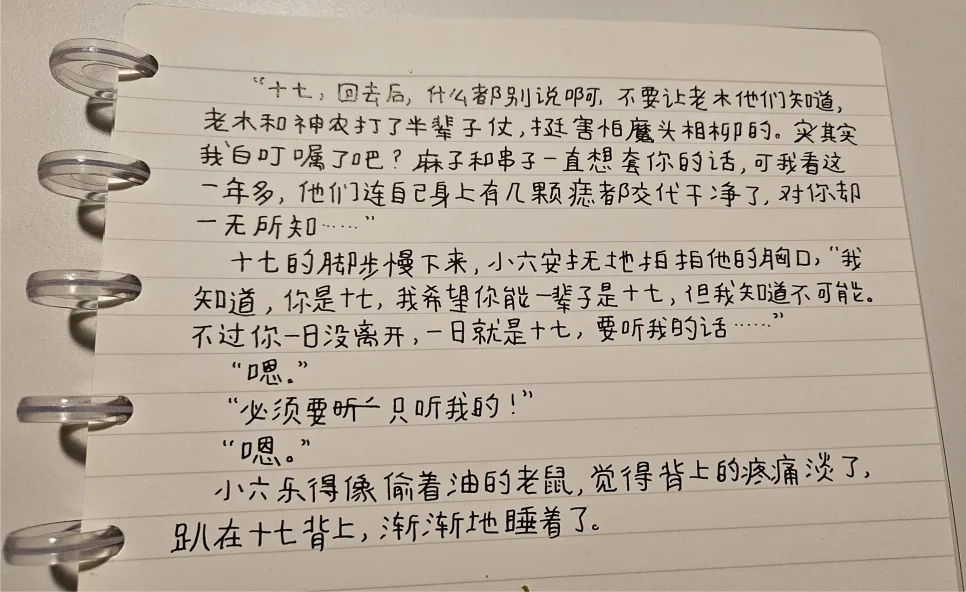
Transcribing Chinese novels goes beyond simple character copying; it's a powerful method for deeply understanding linguistic nuances and cultural contexts. 'Lost You Forever' is particularly beneficial as it showcases modern Chinese expressions, classical idioms, and intricate emotional portrayals, greatly aiding language improvement. In my own experience transcribing the first volume, I found that following the dialogues between characters allowed me to naturally absorb colloquial expressions and sentence structures. For instance, the phrase '套话' (tào huà) in the original text means 'to probe someone's intentions' or 'to subtly inquire,' which is crucial for grasping the subtle psychological dynamics between characters. This method of novel transcription is a potent tool for simultaneously enhancing vocabulary and reading comprehension.
How to Read and Transcribe 'Lost You Forever' Volume 1 for Chinese Learners
Related Articles
To effectively transcribe the 'Lost You Forever' novel, follow these steps. First, watch the drama adaptation to grasp the overall plot and characters; this makes reading the novel much easier. Second, when you begin transcribing, focus on the overall flow rather than getting bogged down by unknown words – mark them for later. I personally enjoyed following the relationship developments between characters like 'Shi Qi' (十七) and 'Xiao Liu' (小六) as I wrote. Third, after transcribing each section, consult Korean translations or study guides to clarify any missed points and learn new vocabulary. It's especially helpful to compile a list of words like '套话' (tào huà) that require contextual understanding.
What Are the Pitfalls of Transcribing 'Lost You Forever' for Chinese Study?
Consistency is key in novel transcription, but be mindful of potential challenges. Avoid choosing overly difficult texts or excessively long books initially, as this can lead to burnout. While 'Lost You Forever' uses relatively modern language and is suitable for beginners, starting with shorter chapters builds momentum and a sense of accomplishment. Second, instead of immediately reaching for a dictionary for every unknown word, practice inferring meaning from context. This approach significantly boosts long-term vocabulary acquisition. Third, don't just focus on the act of writing; ensure you deeply understand the content. After transcribing, take time to review the material and reflect on the characters' motivations and relationships. For example, understanding 'Xiao Liu's' command, 'You must only listen to me!' requires recognizing the underlying affection and concern beneath the seemingly harsh words.
What Chinese Learning Benefits Can You Expect from 'Lost You Forever' Transcription?
Consistent practice with transcribing 'Lost You Forever' yields substantial Chinese learning benefits. Primarily, you'll experience a significant improvement in vocabulary and reading comprehension. You'll naturally acquire vivid expressions and idioms used by native speakers, and gain a better understanding of complex sentence structures. My own experience also suggests that transcription helps develop a better feel for Chinese tones and pronunciation. Furthermore, this method enhances your understanding of Chinese culture and history, as depicted in the novel's setting. This holistic learning experience will boost your confidence in the Chinese language, whether for exams like TOPIK (Test of Proficiency in Korean) or real-world communication.
Discover more transcription tips in the original article.